HUA QIANG BEI LU 华强北路
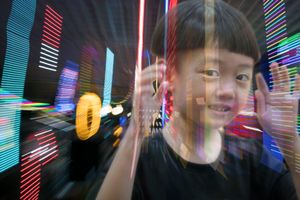
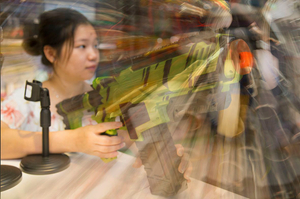
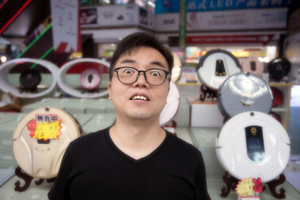
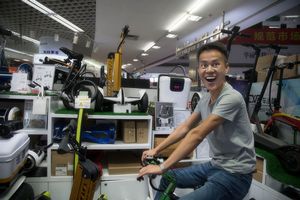
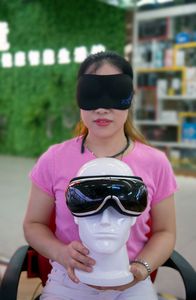
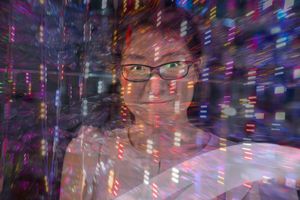
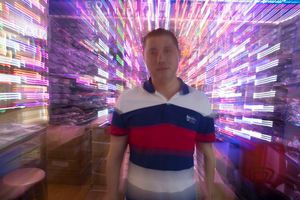
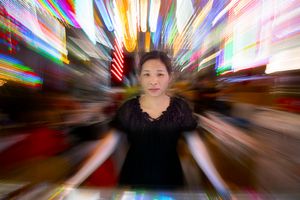
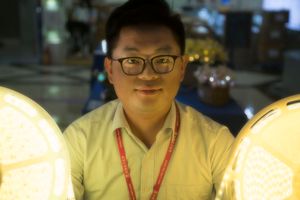
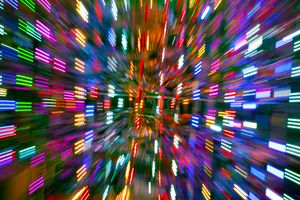
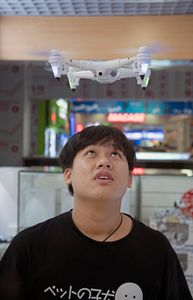
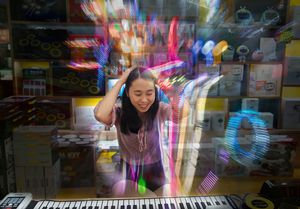
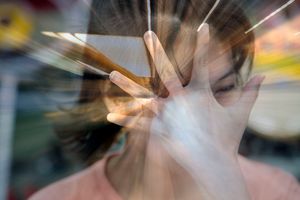
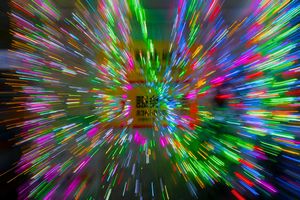
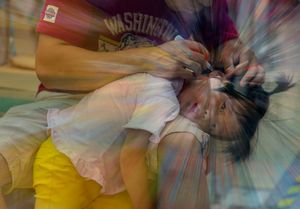
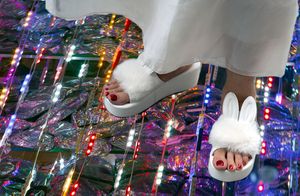
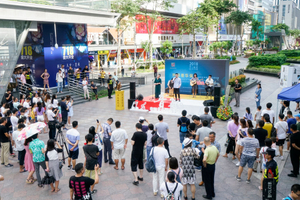
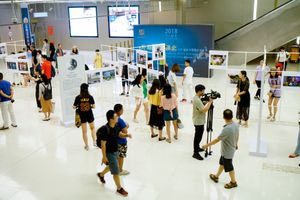
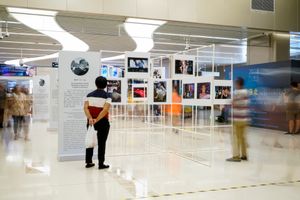
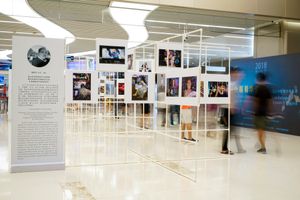
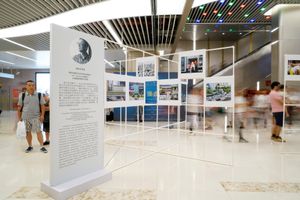
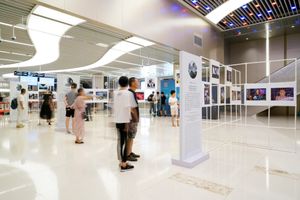
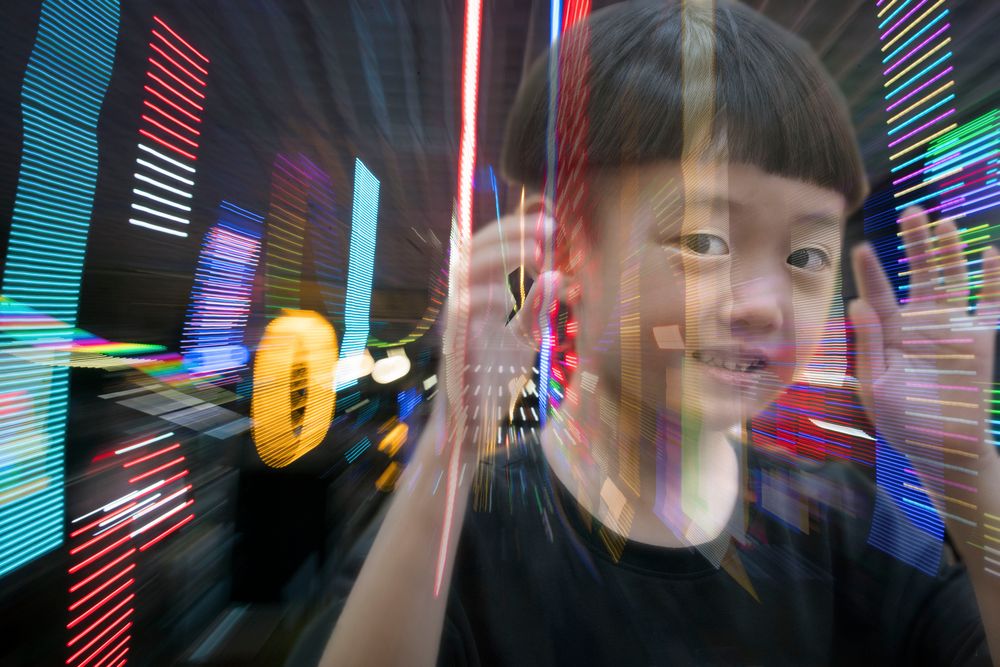
Australia has a land mass similar to that of mainland China with a total population equivalent to about two fairly large Chinese cities. The first thing that impresses any visitor to Shenzhen, within modern China PR, is the massive, dynamic, industrial-scale population. Intense development of Hua Qiang Bei Lu (China Strong North Street) within the Shenzhen Special Economic Zone (SEZ) is no exception to this condition with an annual economic growth rate of 40% between the 1980s and early 1990s. Shenzhen is situated just across a narrow canal from Hong Kong and has transformed from a Guangdong fishing village and customs stop in the late 1970s of about 30,000 inhabitants, into a metropolitan world-centre with a population of around 13 million focused upon “high value-added industries such as information technology, biotechnology, new materials, and high-end equipment manufacturing” I am familiar with the HuaQiangBei district having visited regularly since the year 2000. I am a foreigner amongst many more than there were forty years ago and this exciting place changes constantly. Shenzhen is now visited as a sweeping horizon of multi-storey architectural wonders illuminated in full, spectral colour, twinkling in commercial reassurance against a mostly balmy-warm, beautiful Asian night. Once the population fills to the rim of the boundaries of its designated space, the only way for expansion is upwards and downwards. So, the popular measure of place becomes competitive; the tallest building this year becomes the second tallest, third and fourth tallest next year and so on. Then burrowing downwards into the ground as the deepest, widest tunnels embedded with glistening new rails and shinier, sleeker underground trains with polished white tiled stations commuting millions per day at high-speed to all and any destinations beneath the city. As three-dimensional space fills up with population, the only known window of escape is four-dimensional space, time. And, as a result, it feels inevitable that ideas and development for the first time-machines will be formed this century, ready for manufacture in HuaQiangBei, Shenzhen City. Whether a fantasy or certainty, imagine for a moment that cameras and photographs may be seen, for the time being, as small and very rudimentary time-machines. The Hua Qiang Bei district cultural exchange project was supported by the Shenzhen Government and the Hua Qiang Bei leadership along with David's Image and Cultural Development Co Ltd and the China-Australia Cultural and Creative Industries Association. Invited artist-photographers were asked to provide images from a 'foreigner's viewpoint'. I decided to photograph the main retail area of the digital/electronics IT mall, comprising eight floors of booth shop-fronts selling everything from robotics, drones, electric cars, VR, imaging devices, computers of all kinds, light displays, robotics, equipment repair and more. I arranged booths as little theatres and I engaged the person behind the counter to perform with whatever electronic goods were on sale. A sequence of twenty images from each of the photographers were then publicly displayed at HuQiangBeiLu during July 2018.
No categories selected
Photos (24)