The Quiet Moment, The Golden Hour: Mobile Street Photography
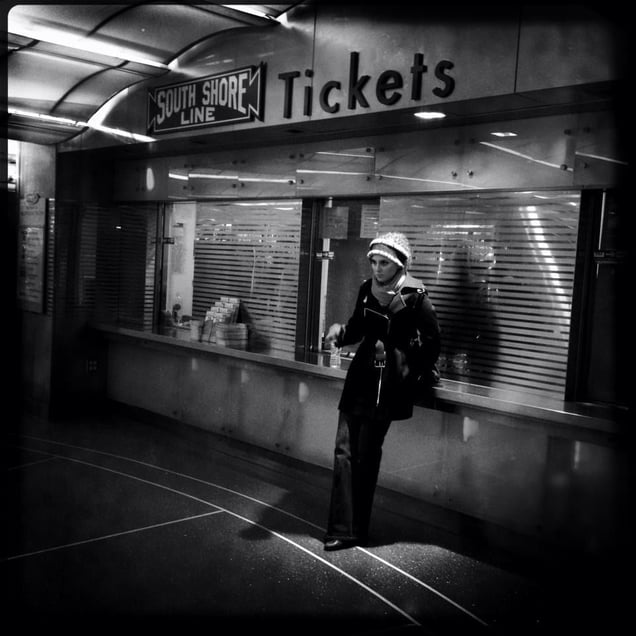
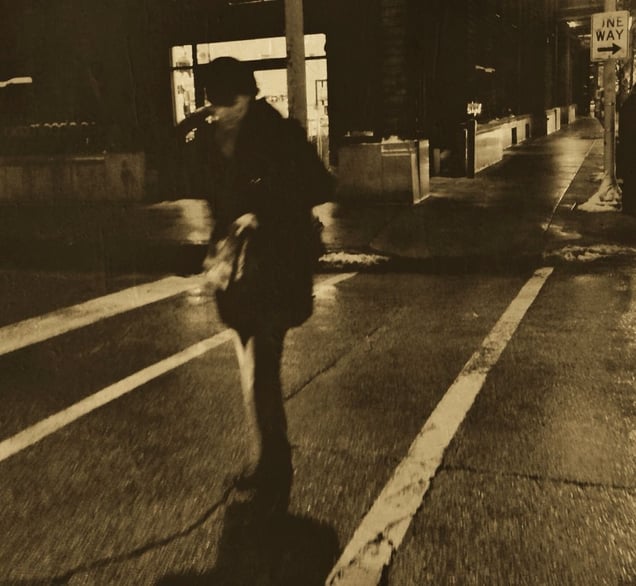
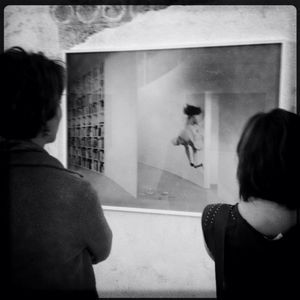
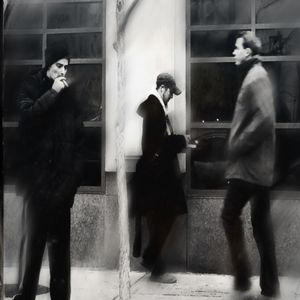
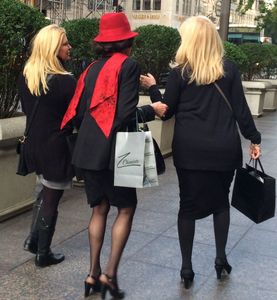
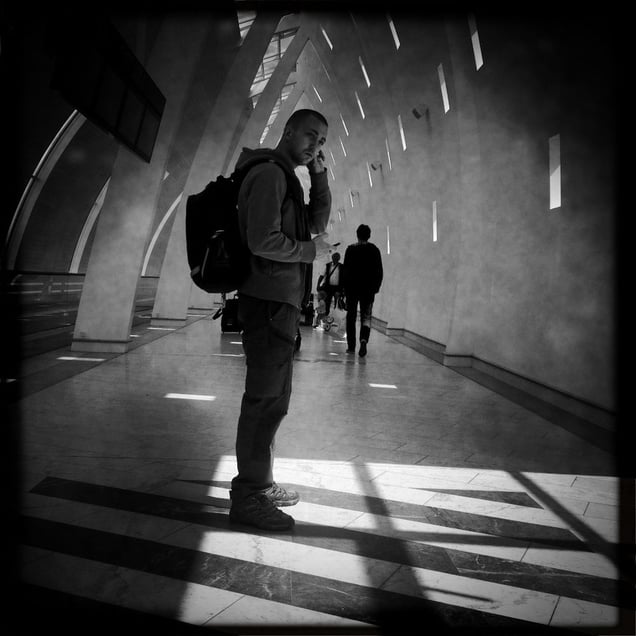
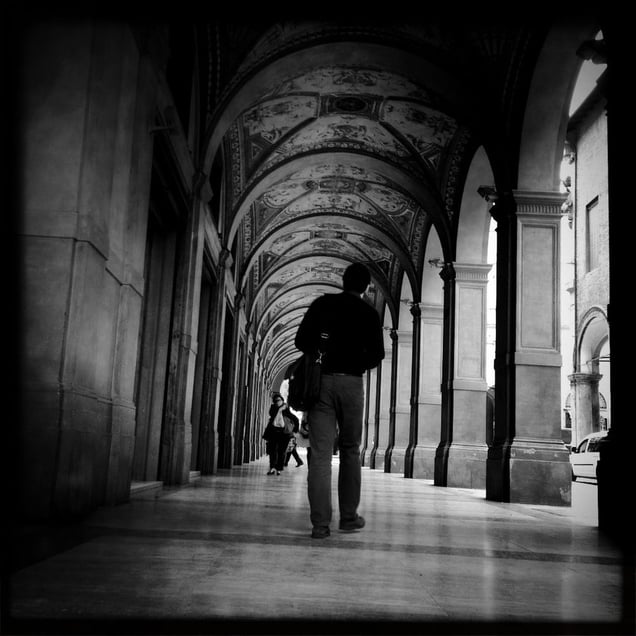
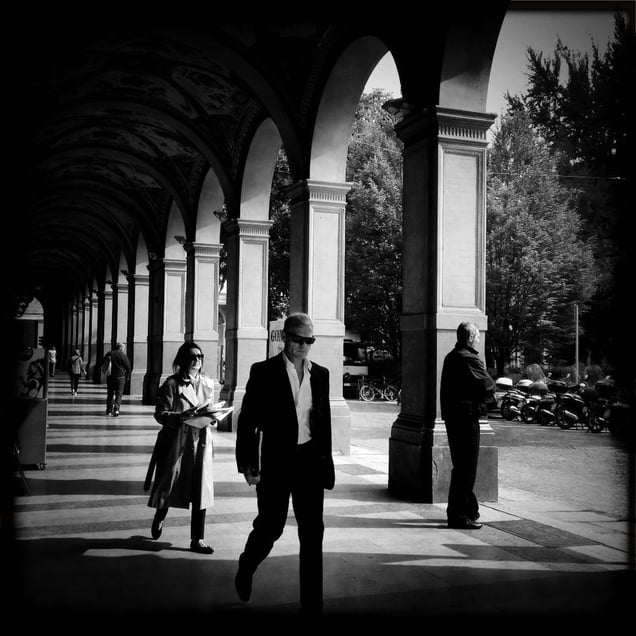
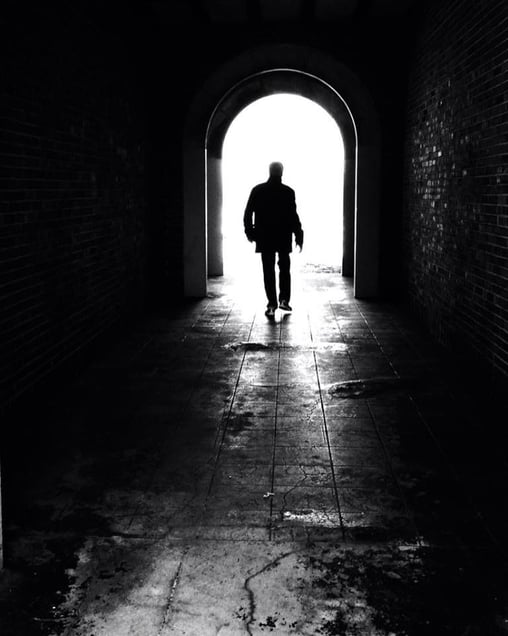
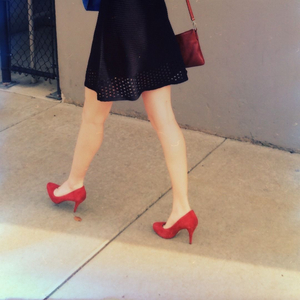
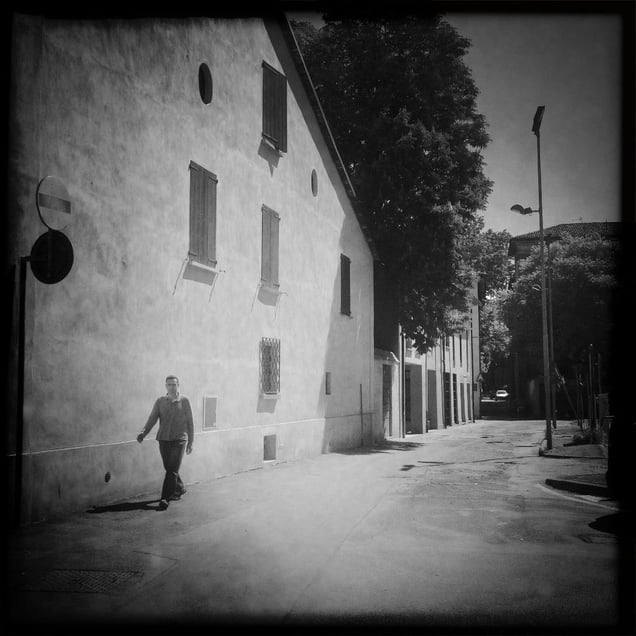
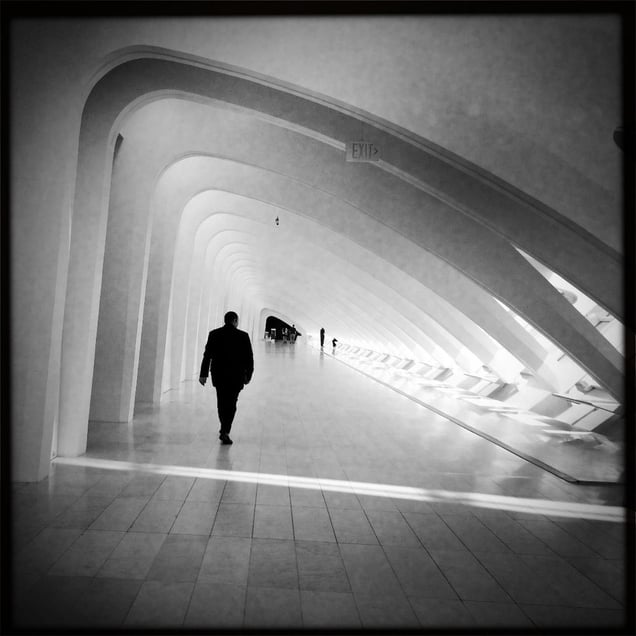
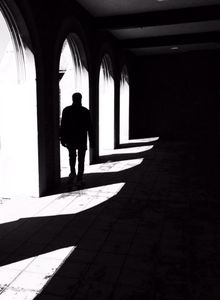
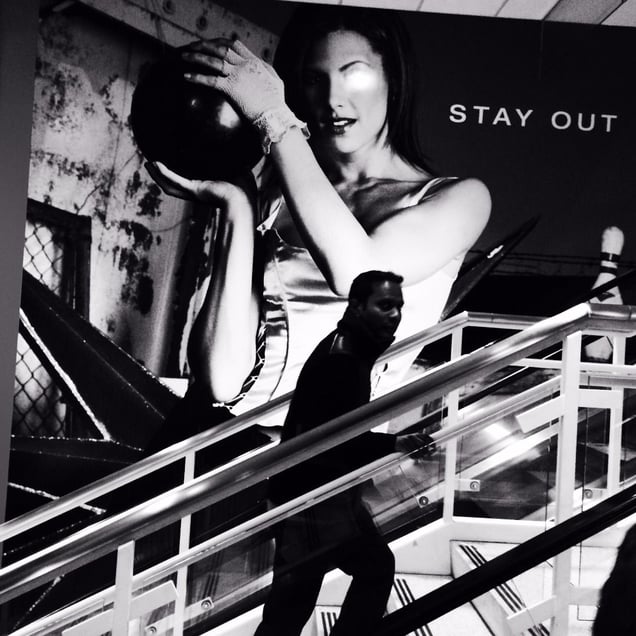
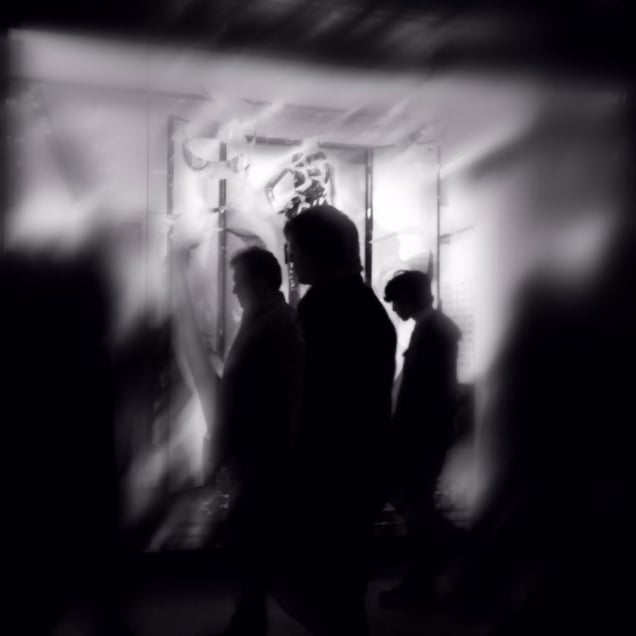
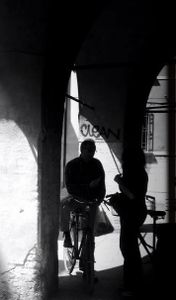
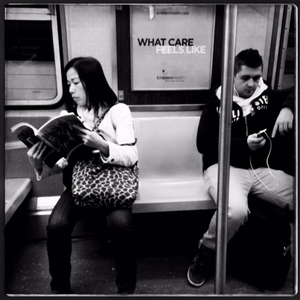
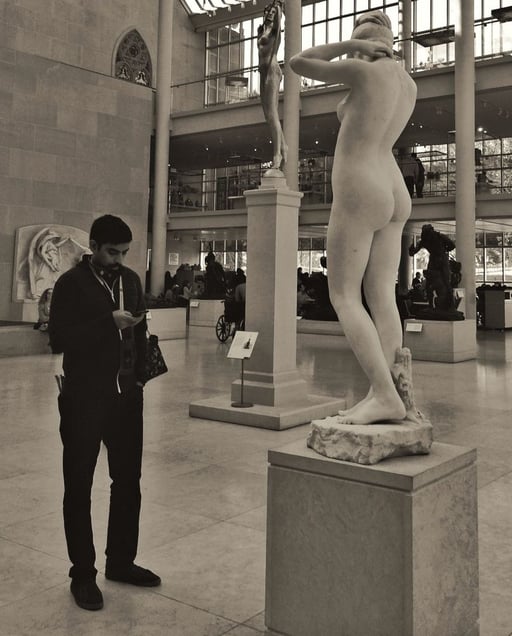
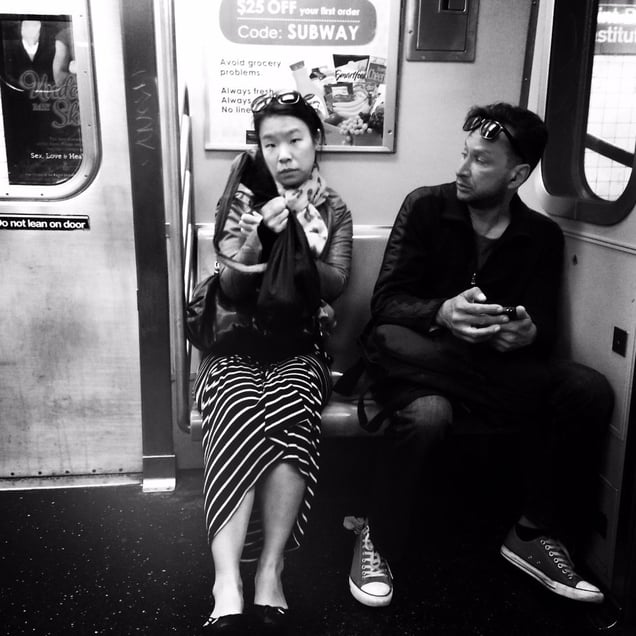
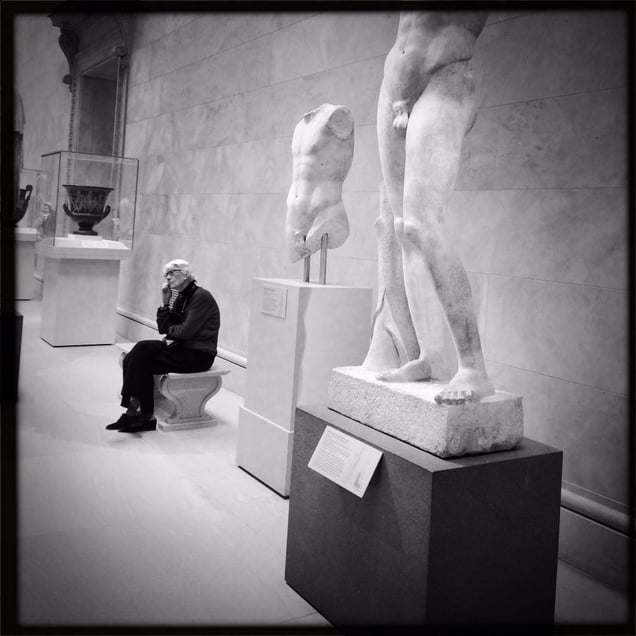
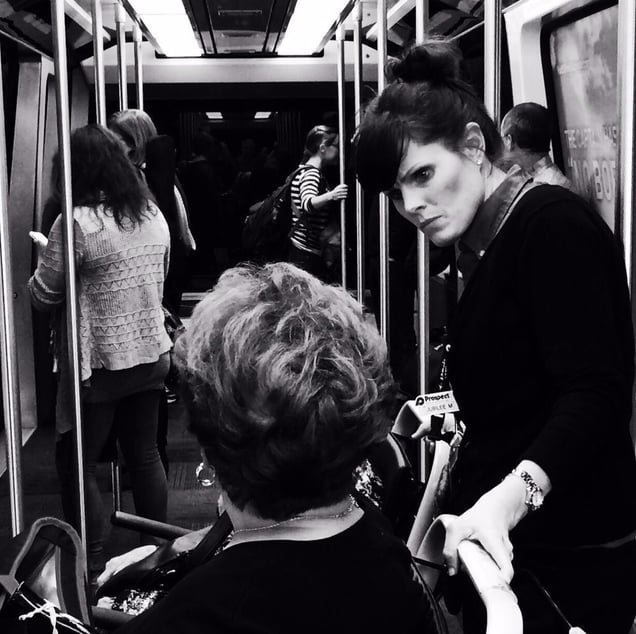
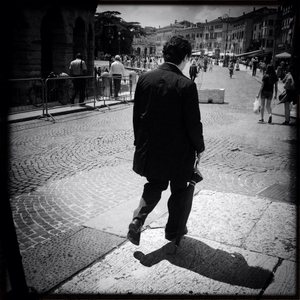
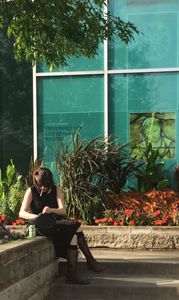
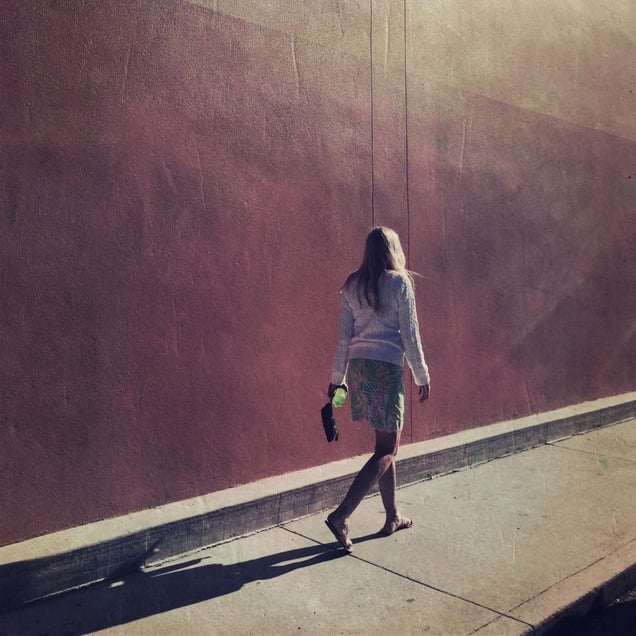
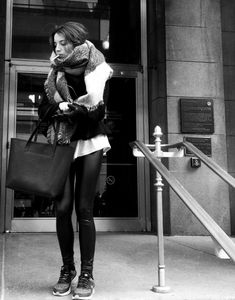
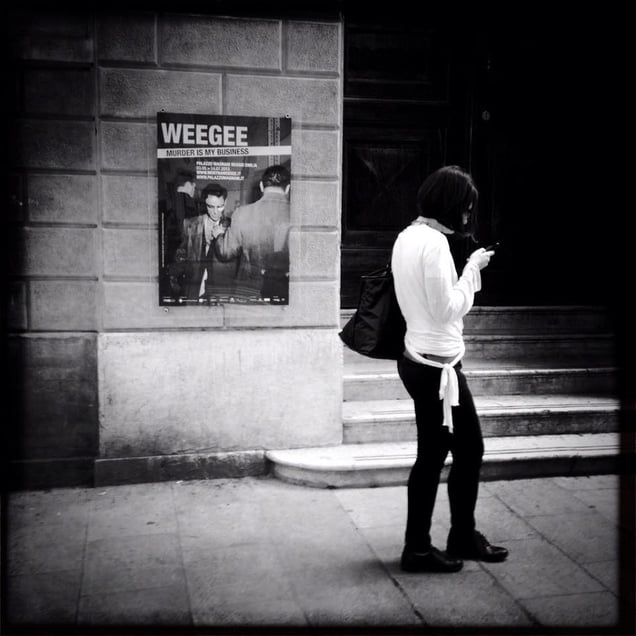
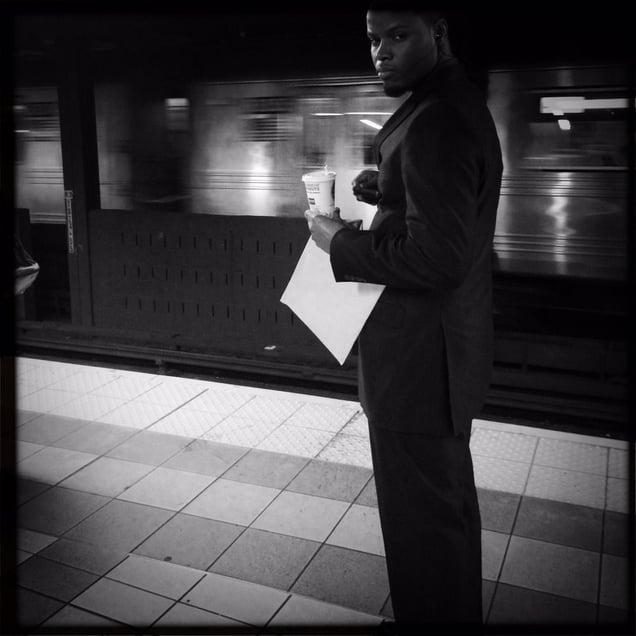
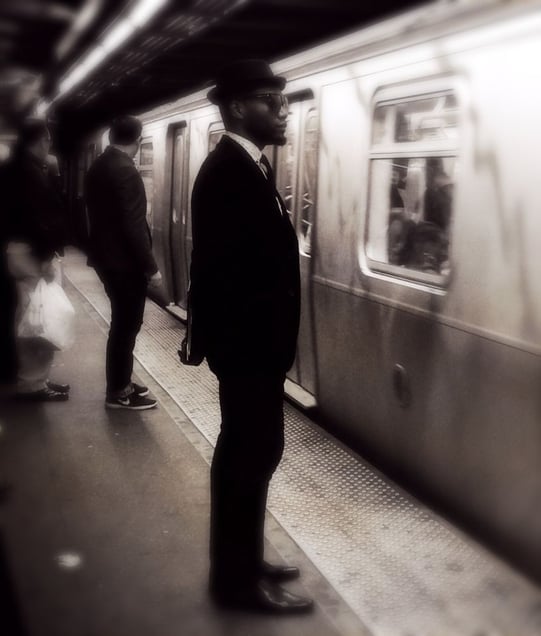
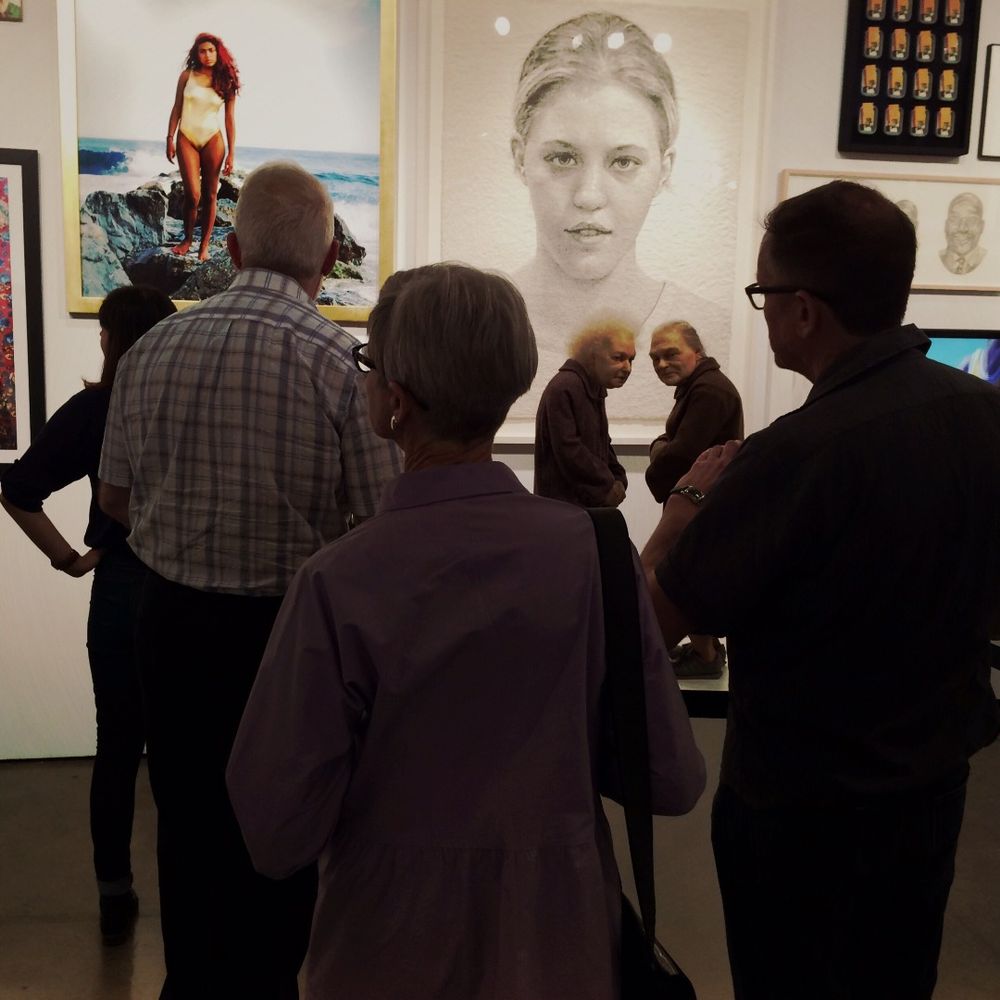
"Mobile photography allows me to instinctively and quietly shoot the subject matter I am drawn to most, the streets”. Gina Costa, in conversation with LensCulture Contributing Editor, Joanne Carter The street photographer wanders through the city with an inherent "readiness to respond to errant details, chance juxtapositions, odd non sequiturs, peculiarities of scale, the quirkiness of life in the street" (Westerbeck and Meyerowitz, 1994). Influenced by Helen Levitt, Lee Friedlander, Ester Bubley, Lola Alvarez Bravo and Henri Cartier-Bresson, Costa, a classically trained Art Historian and Academic, photographs the urban streets as a visual artist with an approach as a form of story-telling. She considers her street images ‘interrupted narratives’ and sees herself as a ‘stealth storyteller’, her photographs making sense of the fluidity and rhythm that she encounters. She photographs the quiet moments, within the liminal space – the space that lies between the known and the unknown – a transitional space of heightened intensity that we experience when we cross the threshold of what is known. She intuits emotion, rarely engaging her subjects, instead quietly circling around or behind them, mindful not to disturb their internal ‘conversation’. Often waiting for the best light, the golden hour, Costa likens it to “the light Leonard DaVinci used as he modelled and articulated his forms as they moved out of the shadows, into the light and thus, receded again, into the shadows”. The relationship between colour and light is a close one and Costa does not restrict her street photography to only embracing monotones, instead she embraces the spiritual vibration that colour engenders to the characters within many of her images too. Mobile photography is instantaneous and in some ways this can create distance between the photographer and the subject. Costa attempts to reaffirm this connection with digitally layering some of her photographs, perhaps this is a cry back to her art background, as she infuses her images with an artist’s hand. Many have made associations between street photographers and flâneur’s; Susan Sontag once elucidated: “The photographer is an armed version of the solitary walker reconnoitering, stalking, cruising the urban inferno, the voyeuristic stroller who discovers the city as a landscape of voluptuous extremes” (Sontag 1973). Costa feels emotionally closest to a series of street images she created after her father died. Slowly meandering the streets of Bologna and Verona as she mourned, Costa felt herself slink into a rhythm that she did not recognise. Visually stimulated by the information that her eyes fed back to her brain, she felt pulled forward, scanning and contemplating the bewildering array of organised chaos, not entirely aware of herself, unaware of time, as she physically continued her toil, capturing images, blinded by grief. She discovered, when reflecting on those images later, of the detachment, isolation and loneliness that was apparent within each one, aesthetically she had created a body of work that was strictly personal, solitary and universally valid, provoking feelings and increasing the dynamic nature of life.
Photos (36)