Odara
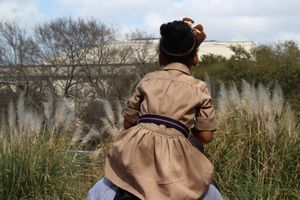
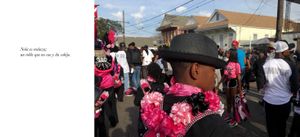
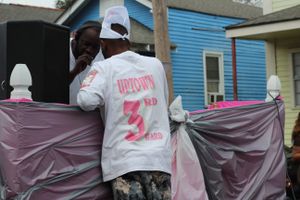
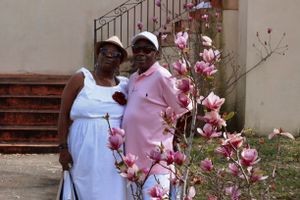
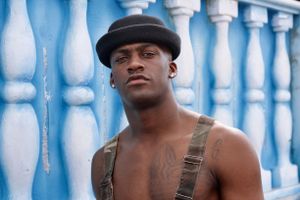
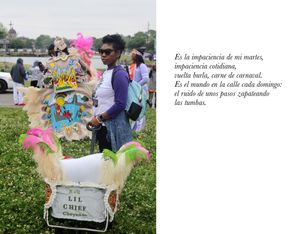
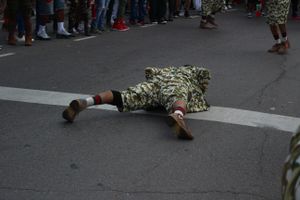
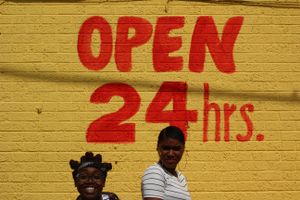
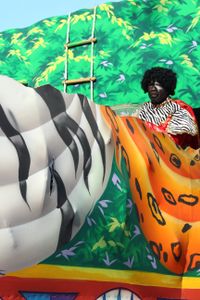
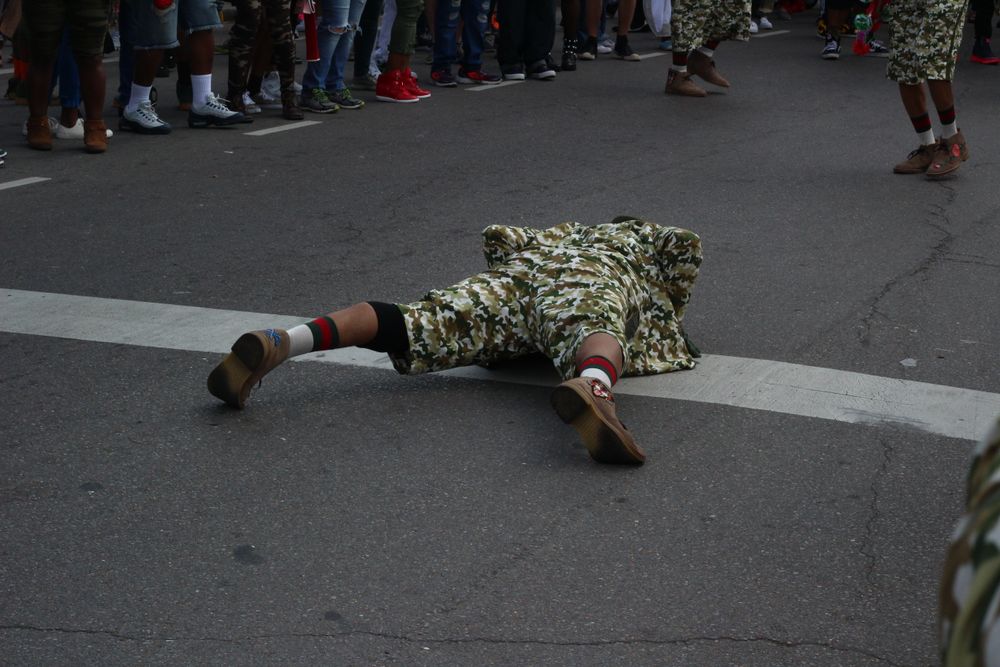
Odara is an on-going project, a personal journey through the spaces of black diaspora. This series of photographs were taken in New Orleans, a place I called home for five months, and which was filled with shared experiences with my homeland, Puerto Rico. These experiences, as an Afro-Caribbean, were not only cultural: months after a hurricane devastated Puerto Rico, it seemed almost fateful that New Orleans opened its arms to me. As one of the most segregated cities in the United States, threatened by gentrification exacerbated after Hurricane Katrina, black communities in New Orleans proudly hold on and reinvent their traditions as a form of resistance, affirming their identity in face of racism, violence and marginalization. These traditions range from second lines - communal parades which have their origins in the gatherings of enslaved people on Sundays in Congo Square, and in the formation of Social Aid & Pleasure Clubs, mutual-aid societies which were the first forms of insurance in the black community-, to that of the Mardi Gras Indians -a symbol of Black and Native American resistance, and a tradition which calls back on the Native Americans who sheltered runaway enslaved people in rural Louisiana during the 19th century -, to alternative carnival celebrations like Krewe of Zulu, formed in the early 20th century by black communities banned from participating in Mardi Gras, and which donned the use of blackface to subvert racist representations of African-Americans. Among these spaces where I encounter blackness, similar yet different, a question always surfaces: to what extent that which was separated can be reconciled? In response, I ponder the words of Derek Walcott, the Saint Lucian poet: “Break a vase, and the love that reassembles the fragments is stronger than that love which took its symmetry for granted when it was whole.”
No categories selected
Photos (9)