Mulher Cariri
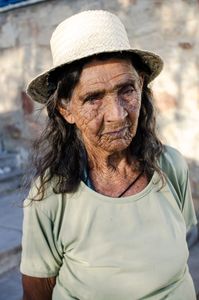
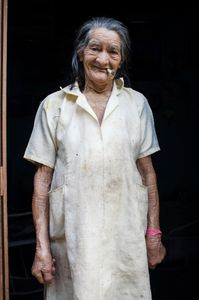
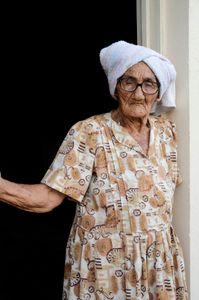
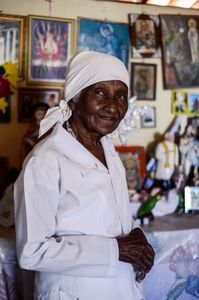
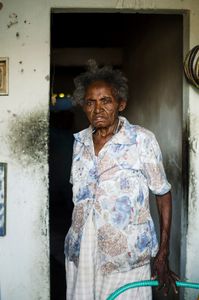
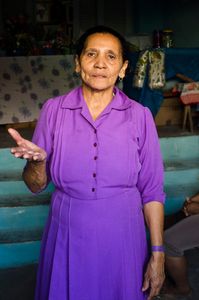
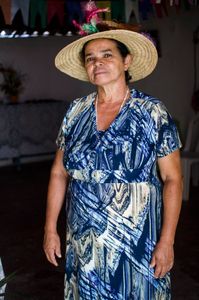
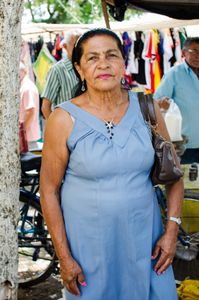
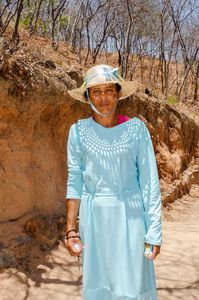
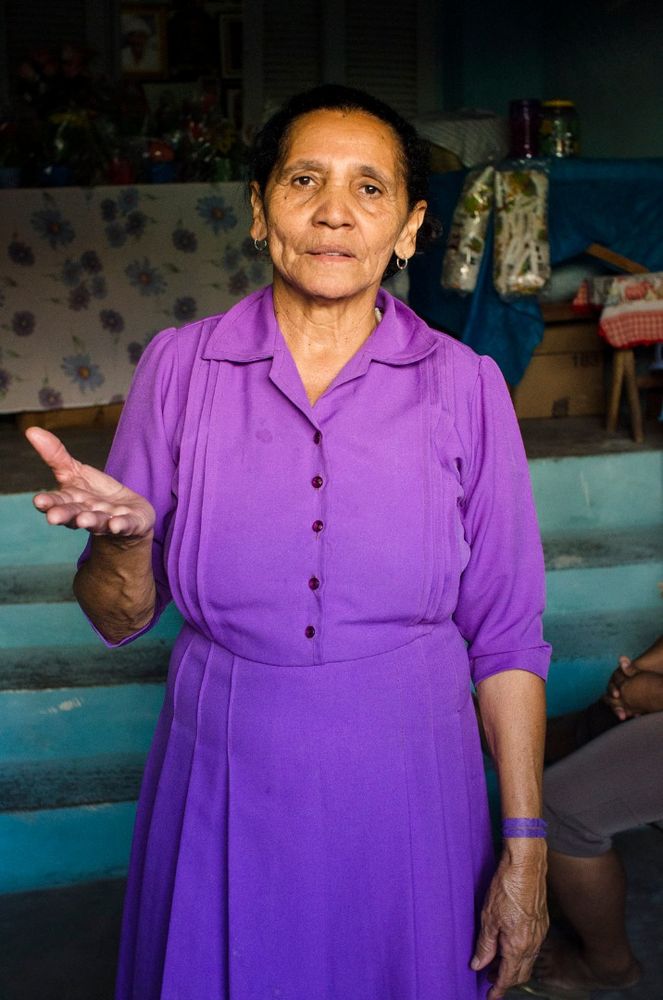
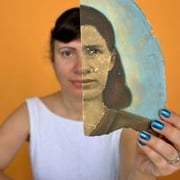
Mulher Cariri Estes retratos surgiram como resultado de um descolamento geográfico e cultural. Acompanhando a Romaria de Padre Cícero que acontece anualmente na época de finados, em Juazeiro do Norte, Ceará, nordeste do Brasil, encontrei uma forte identidade cultural nestas mulheres. A Mulher Cariri afirma suas próprias crenças e assume uma postura de entrega que se manifesta em seu olhar generoso e na sua capacidade de doação. É neste modo de se expressar que encontra forças para superar as dificuldades geradas pela situação adversa. A palavra indígena Cariri vem de uma família lingüística considerada hoje extinta. Seu significado é força, esforço. É neste ponto de convergência que encontro uma associação com a mulher desta região. Mulher de fé, brasileira, trabalhadora, que ainda busca seu espaço em um contexto de grande machismo, e, por necessidade, costuma ter um papel principal nas famílias onde frequentemente sustentam a casa. Cariri Women These portraits emerged as the result of a geographic and cultural displacement. Following the Father Cícero Procession that happens ever year at the time of All-Saints Day in Juazeiro do Norte, Ceará state, Northeastern area of Brazil, I found a strong cultural identity in these women. The Cariri Women state their own beliefs and adopt a stand of deliverance that is manifested through their generous regard and their willingness to give. In this manner of expression, they find power to overcome difficulties generated by their adverse situation. The native word Cariri comes from a linguistic family considered extinct today. Its meaning is power, effort. It is in this point of convergence that I find an association with the women in this area. Faithful women, workers, still seeking their place in a context greatly dominated by sexism and, by necessity, they usually have a prominent role in their families, where they often support the home.
No categories selected
Photos (10)