The Summertime of my Autumn
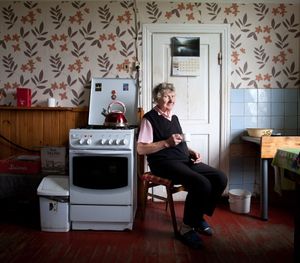
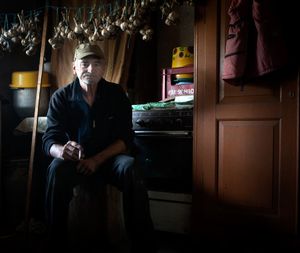
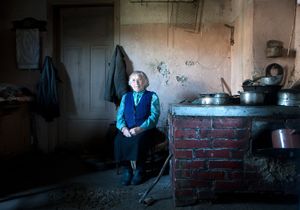
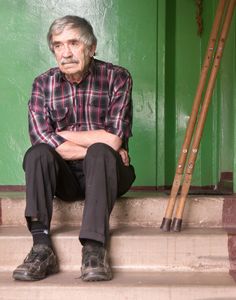
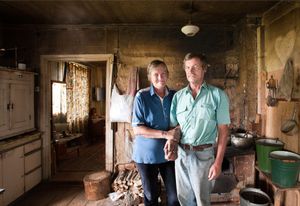
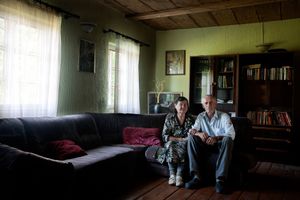
The devastation caused by emigration has left its mark on Latvia. Following the collapse of the Soviet Union and the restoration of Latvian independence in 1991, life has totally changed. For a younger generation these changes along with accession to the European Union brought opportunity and freedoms that their parents never experienced. The young with no personnel experience of what things were like under the Soviet regime find it hard to understand the hardships that their parents and grandparents endured. The older generations have lived through some turbulent times that have included independence, occupation, world war, cold war and independence again. In a new Latvia the traditional ways are now being consigned to history as bureaucrats in Brussels make decisions while the younger generation gravitate toward the bright lights of London, Dublin and Berlin. Today the population of Latvia stands at approximately two million people. Since independence the country has experienced a population decline of 22% while government projected figures estimate the population may fall to 1.6 million by 2030. Since most emigrants are under 35 years of age the demographic of its remaining population is ageing faster. The vanishing of a generation in a mass exodus to more affluent countries coupled with low fertility rates have left a vacuum that may take decades to recover. Driving through the dusty gravelly roads of the western borderland of Latvia you only sporadically encounter another vehicle. The devastation of rural communities has led to traditional skills that for generations had been passed down from father to son are now lost and gone forever. Farms lie empty while equipment rusts and lands remain unploughed. There is a feeling of desolation and loneliness as for mile after mile abandoned homes crumble and decay and are reclaimed by nature. In time the only thing that will remain will be rocks. The proportion of the population over 60 years is now at over 22 percent. For the elderly, it’s not the prospect of living alone that concerns them, but the fear of being forgotten. They become less visible and to the community it may appear that they have no contribution to offer. Historians write about a countries history by conducting academic research and examining state papers, but for people who lived through these historic events, what sometimes is forgotten is how valuable their stories and perspectives are in understanding the past. Leafing through their photo albums, the memories of their youth come flooding back as if it were yesterday. For some, they just closed their eyes and replayed past events as if they were rewinding a scene from a film, while others didn’t want to say anything as it seemed the weight of the past maybe too traumatic to recall. For several there is nostalgia for what they described as Latvia’s golden age while many were critical of the government and its implementation of policies from Brussels. The painful separation of family is a common thread that runs through Latvian history. Since independence the main discourse for Latvia has being about emigration, but during the Soviet occupation thousands were deported on cattle trains to Siberia and other parts of the USSR as the Soviets attempted to crush any nationalist resistance to their rule.One man said; The last time I saw my family was in 1941, when I got home they were all gone, I don’t know where they went and I didn’t even say goodbye. I was deported to Siberia and wasn’t allowed back home until 1957. I’m now not going to say anymore as I don’t want to be seen as a traitor. Hearing stories like this it was if the ghost of Josef Stalin still lingered and is reaching out from beyond the grave as a warning to those who speak out of turn. In their mind there is still a fear of what things were like and they share an anxiety over present day growing geopolitical tensions that also remind them of the past. The harrowing partition of families can also be witnessed in empty homes that are scattered throughout the countryside, some stripped bare while others contain family possessions that have been left discarded. Toys that were once cherished are now cast aside as youngsters grow into adulthood and leave behind the playthings of a child as they depart for a better life. Scattered letters from sons and daughters apologizing for not been able to write more often and not being able to visit because of their own busy life are all a reminder how a rural community can quickly disappear. For politicians emigration can act as a safety valve and a solution to a growing unemployment problem. The departure lounge of Riga Airport is a witness to the many thousands of young people who have left. The sight of mothers breaking down as they say a long goodbye to loved ones bears testimony to the many thousands who have left, some, never to return.
No categories selected
Photos (10)