Portfolio Category - Portrait Awards 2014
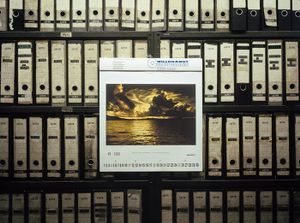
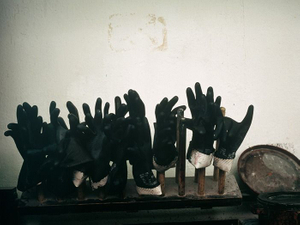
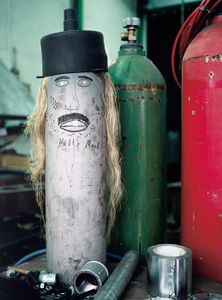
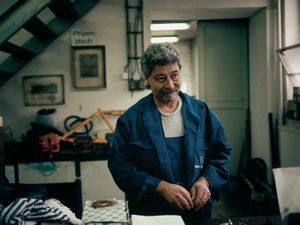
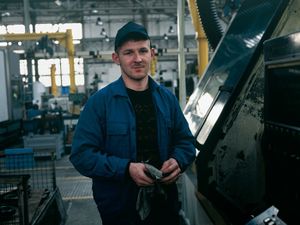
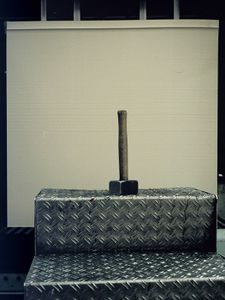
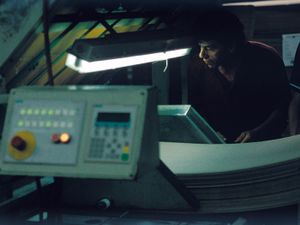
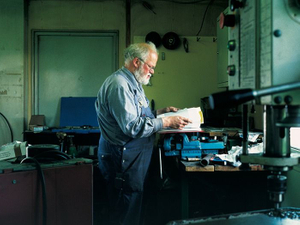
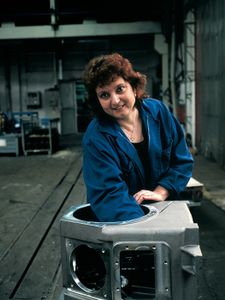
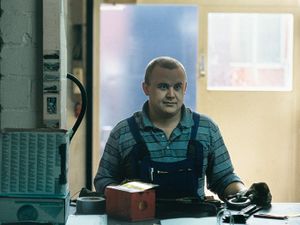
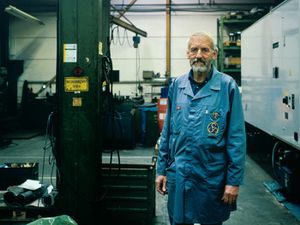
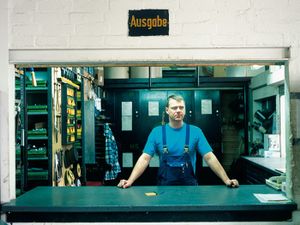
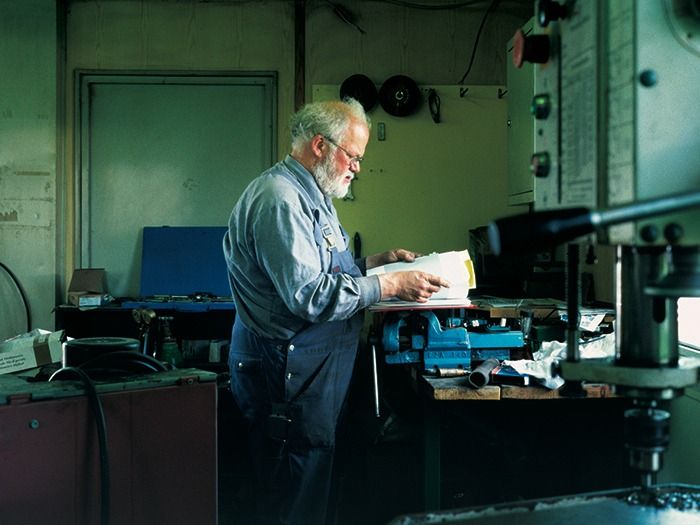
Work is omnipresent. Whether prosaically, as our daily companion, or theoretically, in discussions about globalization and modernization, employment and unemployment, employers and unions, innovation and rationalization, share prices, currency exchange rates, locations, tariffs, strikes, job guarantees, layoffs. Against all predictions, human beings are still at the heart of all economic activity, not only as consumers but, despite the best efforts of the incessant rationalizers who seek to minimize or eliminate the variables of production, as workers – even in the hallways of the manufacturing industry. Yet, in opposition to the image often presented of this world, a major portion of work does not take place in sanitized, aseptic manufacturing sites, on machines steered by the ghost hand of technology in large corporations' robot assembly lines. A look at the statistics shows that most of the work being performed is in small to medium-sized enterprises. More than 90 percent of all German businesses are part of this broadly-labeled SME segment. They employ more than 70 percent of the workforce and train about 80 percent of all apprentices in their professions. manpower introduces people and aspects of their working environment, photographed over a period of two years in companies varying in size from 20 to almost 300 employees. manpower wants to impart a sense for a world that is still very present, although rarely shown. With respect, without false romanticism, always asking the question, whether or how long these working environments – fundamentally in the shape of their maker – can survive in our globalized age of higher, faster, further.
No categories selected
Photos (12)