
Arma Christi
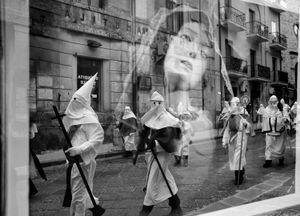
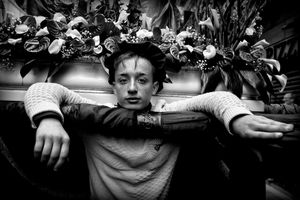
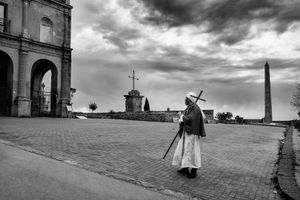
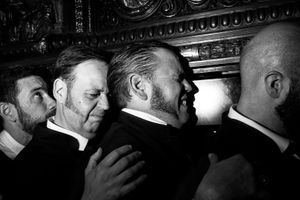
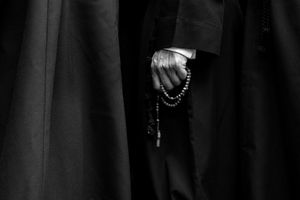
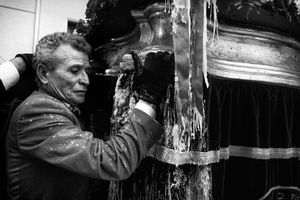
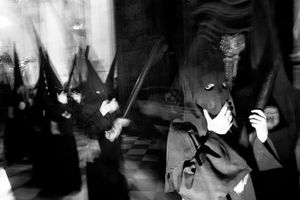
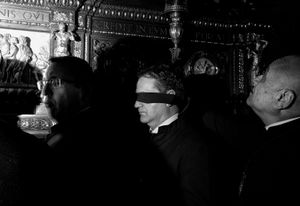
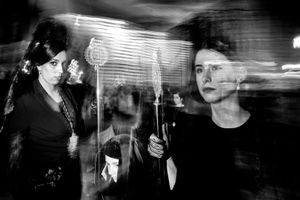
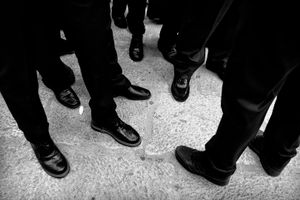
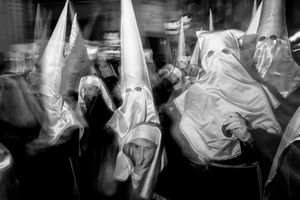
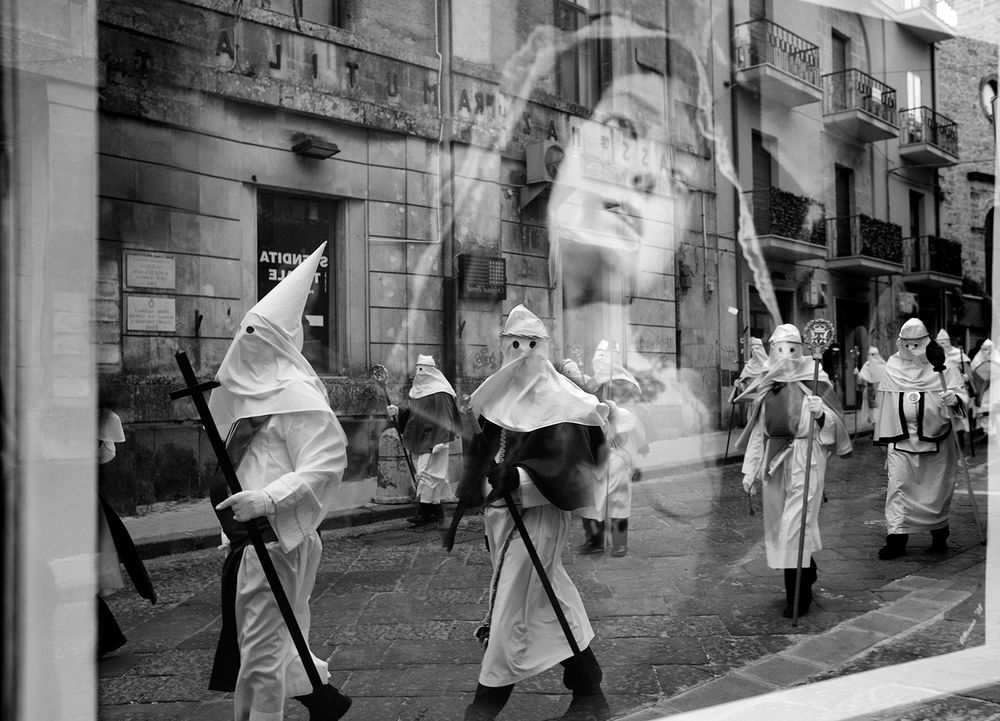
The religious rituals of the Holy Week in Sicily are deeply rooted in the Spanish culture dominating the island between the XVI and XVII centuries. In that period, the Catholic Church was counteracting to the increasingly emerging heresy of Protestantism with a number of repressive actions. The war between Catholics and Protestants is marked by the Catholic Counter-reformation, the censorship, the Inquisition, the forbidden books and the ecclesiastical tribunals. An atmosphere of intolerance grounded on Catholic obscurantism spread everywhere, cause of a culturally repressed period during which any form of renovation was strongly opposed. It is in this context that brotherhoods are formed: public associations aimed at proselytism and the open defence of the Church and its actions. In Sicily as well, thanks to the Asburgo family, these brotherhoods start promoting processions and sacred representations of passion and penance aimed at bringing believers back to the Evangelical teaching. Five centuries later, the ritual of the Holy week is to many a show of traditions and folklore of their own country. Nonetheless, despite the social and cultural changes of modernity, it is possible to find elements and symbols which today like yesterday characterise these complex events, a mix of festivity and tragedy, life and death, centered around pain and grief.
No categories selected
Photos (11)