Our Mother the Mountain
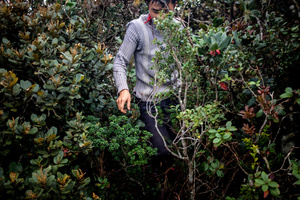
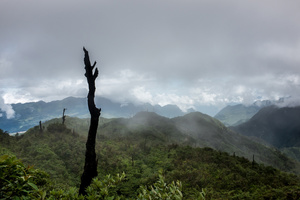
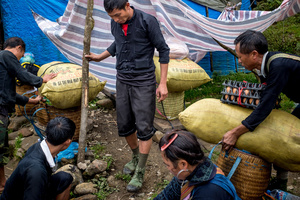
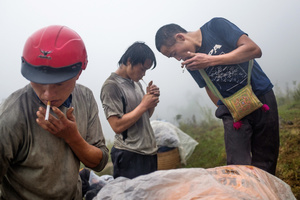
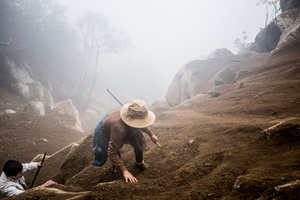
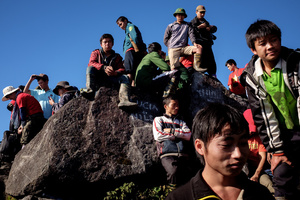
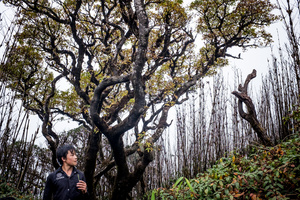
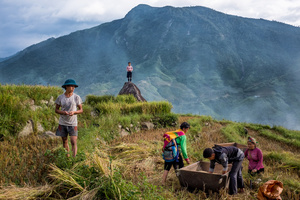
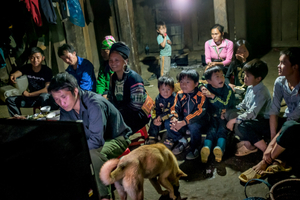
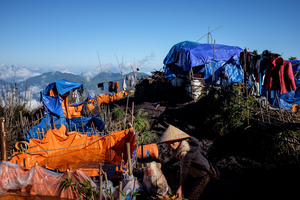
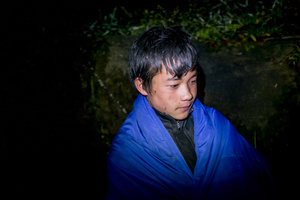
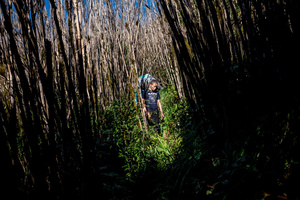
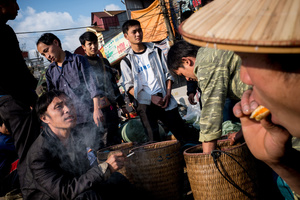
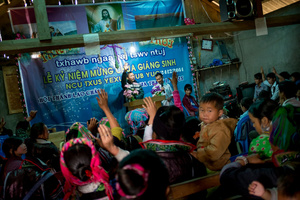
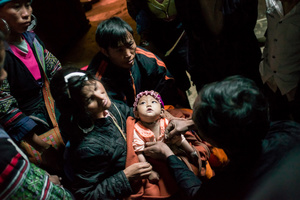
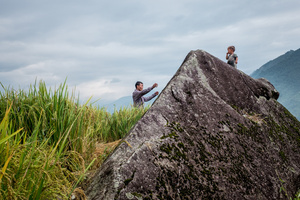
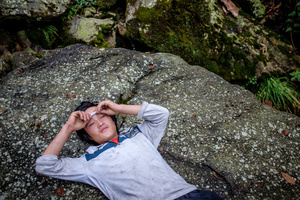
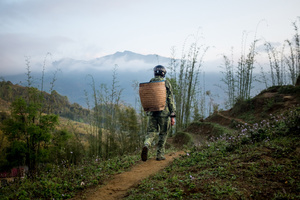
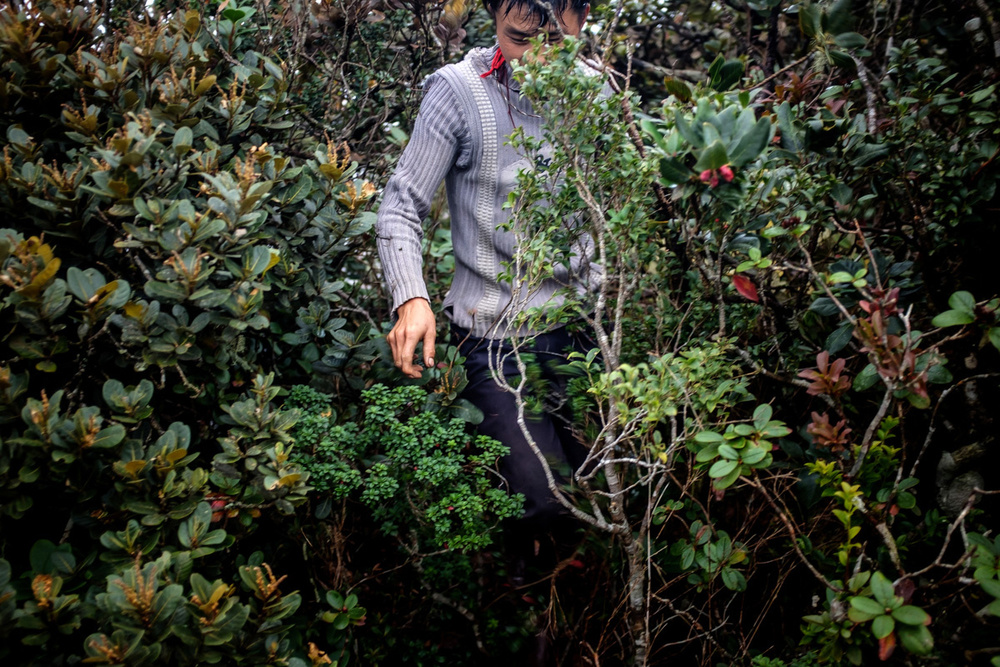
An eastern extension of the Himalayas, Hoang Lien Son Mountain Range was created about a hundred million years ago. At its feet lies various ethnic minorities such as Hmong, Dzao, Tay, etc. whose traditions and lives merged with these mountains. As one of the important special-use forests of Vietnam – has total area of 29,845ha, Hoang Lien National Park supports a high diversity of plants and animal groups and many of these species are listed in Vietnam’s Red Book or restricted in Vietnam to northwest Tonkin. Hoang Lien Son is the towering mountain range with its Fansipan, Indochina’s highest peak. Being 3,143m high above the sea level with beautiful terraces and the presence of ethnic minorities, Fansipan challenges many explorers and nature lovers from around the world to conquer. As on-demands, hundreds of ethnic people of both genders mostly Hmong who merge their life into the mountain for many generations now make a living as porters and trekking guides for tourist to climb the Fansipan. Despite of the hard and risky work, all the porters are poorly equipped with low pay rate around $10/day. For many ethnic people, being a porter is the only way that they can make money due to the lack of education and land to harvest. Starting from the end of 2013, a $200 million cable car is being built to connect the closest town Sapa to the top of Mount Fansipan that will shorten the 2-3 days trekking trip to 15 minutes of leisure. Coming along with the cable car, an entertainment complex included resorts and religious sites is due in September 2015 and expected to serve 20,000 tourists a day that will transform the sleepy mountain. This long-term project aims to chronicle the life of ethnic porters working on Fansipan during the fast pace of urbanization as well as the affect of modern tourism to the local nature.
No categories selected
Photos (18)