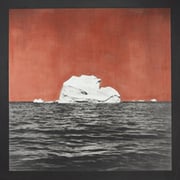
Melt
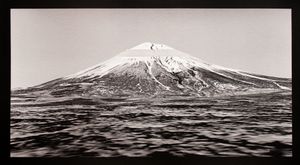
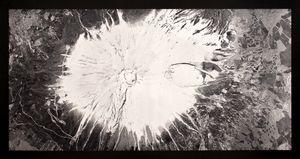
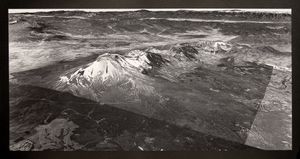
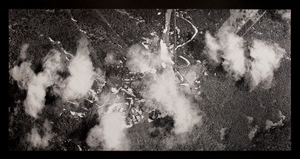
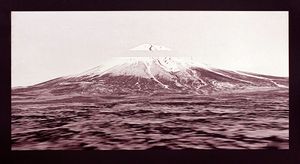
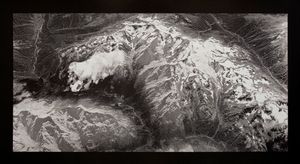
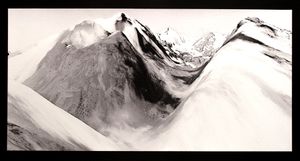
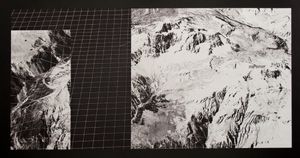
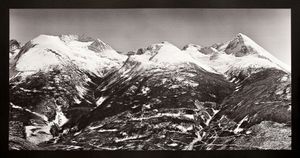
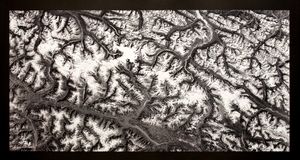
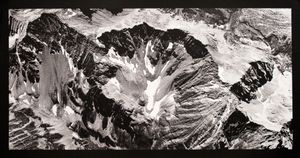
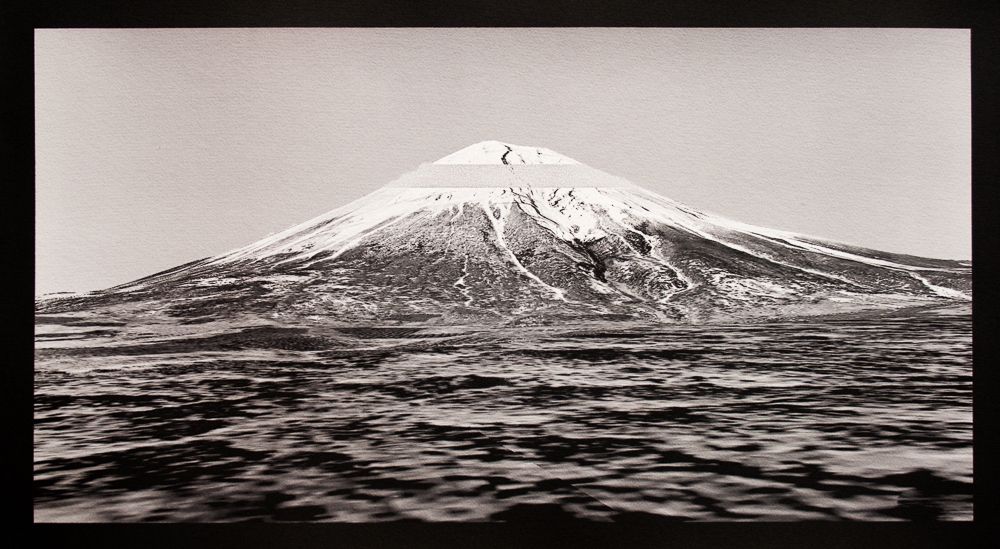
The ramifications of the Industrial Revolution altered the global climate resulting in increased temperatures, rising waters, and climate refugees, along with an altering of the cultural climate via new inventions, such as photography, which served as witness and now a vehicle for awareness and activism by means of its earliest methods- the salted-paper photograph. Melt documents shifting climate through photographic activism drawing awareness to the changes via participatory art. Part explorer, part documentarian, I travelled the earth via the internet and gathered satellite images. Unaltered, these images were printed in the 19th-c. salted-paper photographic process, documenting changing landscapes, which serve as both document and memory, engaging my transdisciplinary nature as artist, explorer, and scientist.These photographs provide a record of time and condition for locations historically cold and snow-laden. A selected number of the exhibition images are created to be ephemeral, unfixed, fading over the course of the exhibition, invoking this sense of change. These photographs on paper will fade when exposed to sunlight, like the snow of these mountainous regions, and we are left with only our memories of the place and a feeling. Viewers are invited and encouraged to revisit the fading landscapes to experience the disappearance over time. Support for MELT is provided by SPACE Gallery through The Kindling Fund (www.kindlingfund.org) and The John Anson Kittredge Fund. A very special thank you to Dr. Daniel Scott, University Research Chair in Global Change and Tourism & Director of the Interdisciplinary Centre on Climate Change, University of Waterloo whose research inspired this project. And a special thank you to Maine Media Workshops + College.
No categories selected
Photos (11)