NARRATIVE
Chasing Light is an ongoing collaborative photography series and community engagement project. My twin sister, Bianca, and I use photography as a means to explore our dynamic as siblings and our experiences of owning queer identities and disabled bodies. Chasing Light holds space for the belief that representation, visibility, autonomy, and truth-telling can build solidarity and promote personal empowerment. Bianca and I present our work online, hold complimentary artist lectures, and encourage story-sharing within accessible, LGBTQ+ friendly venues. We created this particular chapter with an intent to engage the community, accommodate experimentation with our creative approach, and show new work.
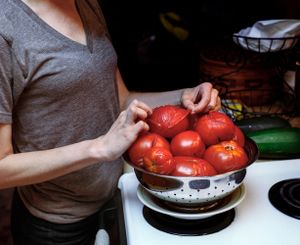
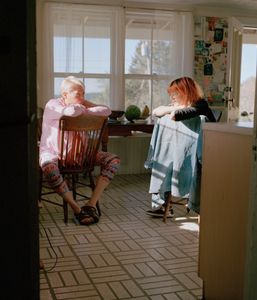
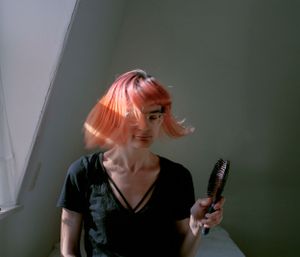
We explore characteristics of our queer identities, my invisible illnesses, and Bianca’s disability by photographing snapshots of our daily lives: intimate partners, personal spaces, family members, and moments of joy, pain, and frustration. We continue to shoot in natural light for its ability to attend to detail, provoke emotionality, and reveal the authenticity of our lived-in environments. The title phrase “chasing light” functions as a literal description of our physical pursuits. When we began working collaboratively, we traversed the city as the sun started to set in an attempt to shoot in gold-filtered light. It also acts as a metaphor for our continual quest to share our truths--our light--as we individually strive toward personal wellness.
BACKGROUND
Bianca and I were born with cerebral palsy and scoliosis. However, Bianca experiences a greater presentation of her disabilities and lives with secondary conditions that are both chronic and incurable. Her physical symptoms are compounded by persistent mental health challenges, and both rarely receive public consideration. I have been a second-hand witness to Bianca’s experiences with adversity, marginalization, identity, and isolation for our entire lives. Experiencing this led me to start challenging the socially constructed ideologies I held relating to identity, disability, and health--both my own and Bianca’s.
Our series began roughly a decade ago and has since undergone extensive revisions. I am a studied photographer, and Bianca is both a subject and collaborator. As a subject, Bianca is directly involved in the creative and curative process. She helps edit, construct, and brainstorm ideas. Bianca and I share responsibility for our artistic vision. We work together to document and build images based on our day to day experiences, with a focus on her life. Through our pictures, we examine the complications of Bianca’s prominent disability presentation versus my concealable conditions, and the tension and discomfort that creates. I photograph Bianca in her apartment, getting ready in the morning, accessing public transportation, spending time with intimate partners, taking care of her cat, preparing meals, and occasionally interacting with family members.
AUDIENCE
Our images depict human fragility, vulnerability, and honesty of ourselves as queer and ill people in an attempt to assert that queerness and disability are matters that deserve physical, visual representation, and thoughtful consideration. We believe that LGBTQ+ people and people with disabilities belong in dominant social and artistic contexts, including fine art. One powerful way to express our beliefs is to lead by example. We display raw and unfiltered accounts of our lives to honor our story. More importantly, we make space for the lives of other people who can see themselves in our stories. It is also our intention to examine current disability, illness, and disease-related rhetoric; we want to move away from frameworks that make marginalized people the onus of rectifying human injustice. Currently, Chasing Light heightens our awareness of how we employ language and supplies us with opportunities to understand one another’s lived experiences with complexity.
Our intended audience embraces anyone who identifies as LGBTQ+ and disabled, as well as friends and family who have interpersonal ties people who identify as such. Our audience is intentional. The dominant social narrative largely excludes people who hold marginalized identity markers--including folks with non-normative orientation, people with disabilities, and people who experience mental health challenges. If a creative project happens to include minority representation, the people involved are often undermined, exploited or represented in a way that is not self-directed. Our proposed locations of our artist talks and story sharing sessions are likely to engage individuals who already identify as being a part of the disability community and/or LGBTQ+ population. We also hope to draw in members of the general public who are not a part of these communities so they can reconfigure a new way of seeing the world.