
La quarta sponda (the fourth shore)
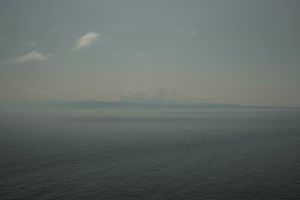
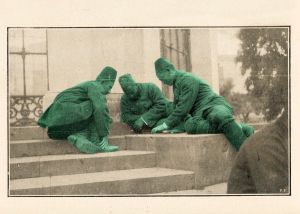
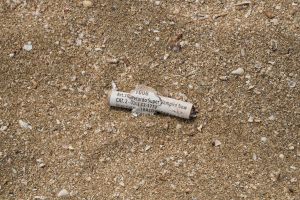
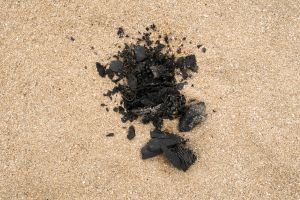
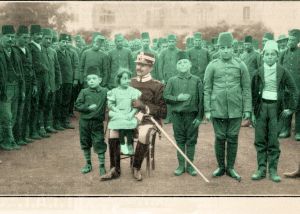
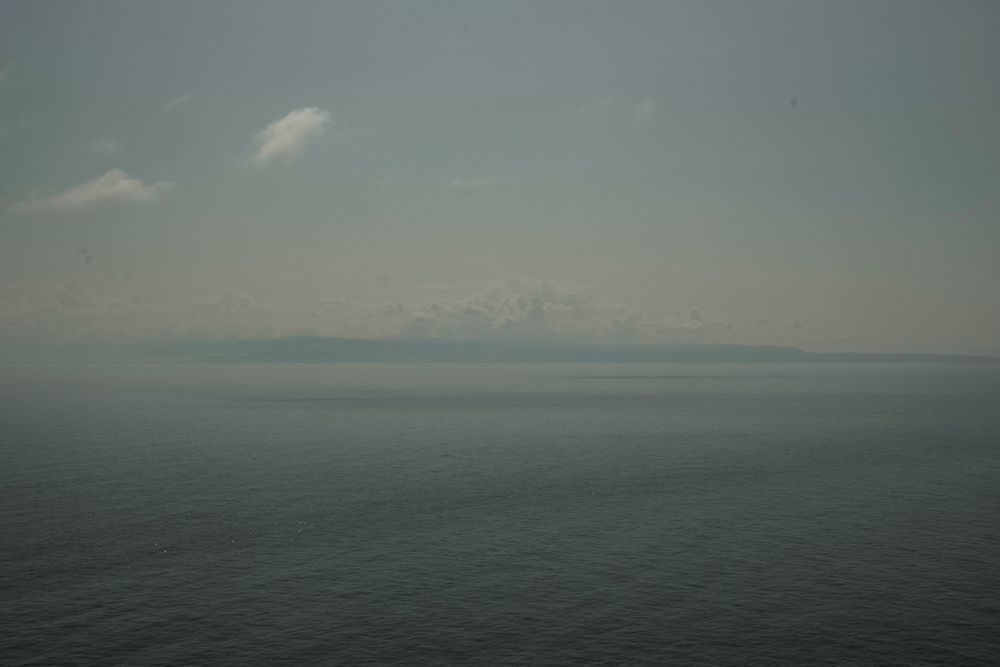
The Tremiti islands ( Adriatic Sea ) have been the ideal place to detain anyone who was accused of “immoral” and “improper” behaviour, and not prosecutable by the law. During 1911, over 1300 Libyans were deported to Tremiti: the expensive prize that Libyan Resistance had to pay during the Italo-Turkish war. The Libyan prisoners confined to the “rock” in front of Italian peninsula, exposed to a harsh wind, suffered hunger, hardship, disease and nostalgia for their homeland, they died for the extreme conditions of life. During the Fascism the oppression of the deportees from African colonies reached levels never seen before. Confinement, deportation and the massacre of Libyan people in the Italian islands during Italo-Turkish war were the pretext for a series of international terroristic attack in the last 50 years of European and Mediterranean history. The rugged landscapes of the islands are metaphors of a century marked by a precarious political balance. The documents and newspapers found in the archives and the materials purchased on the Internet, have become symbols to reinterpretate those places, which are part of the project through a re-colouring process. The scans of the archive images printed and re-coloured with the green is a way to remember and respect Libyan traditions. The African prisoners dead in the Italian islands had names, feelings and the personal history, which were erased by the war. They were people confined in the Italian islands, victims of a forced migration. The “Fourth Shore” was a fascist definition of North-African Colonies, while today is the promised land, an idealistic mirage of faraway; and the Mediterranean sea is one of way to go to the “fourth shore”: the hope of the better future.
No categories selected
Photos (10)