The king of the jungle that was fed with bread
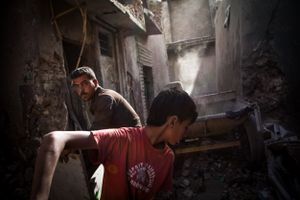
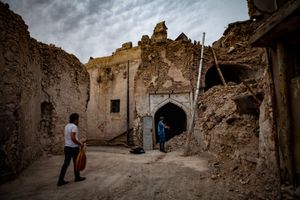
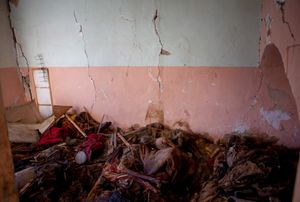
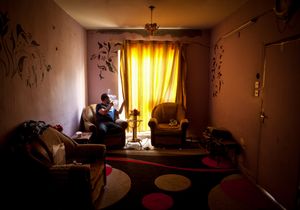
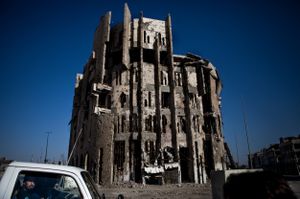
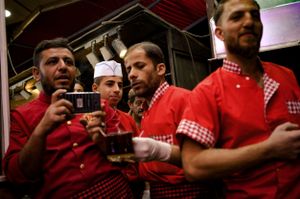
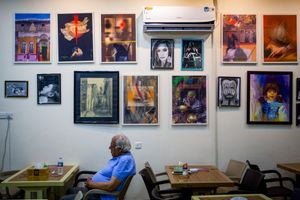
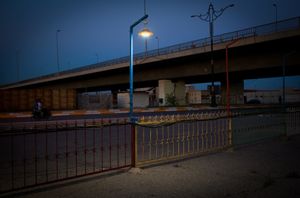
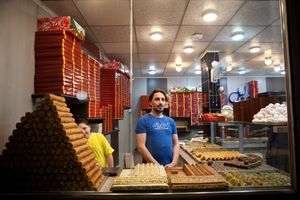
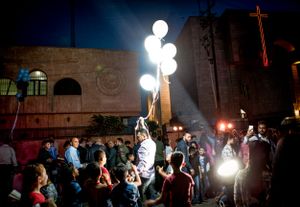
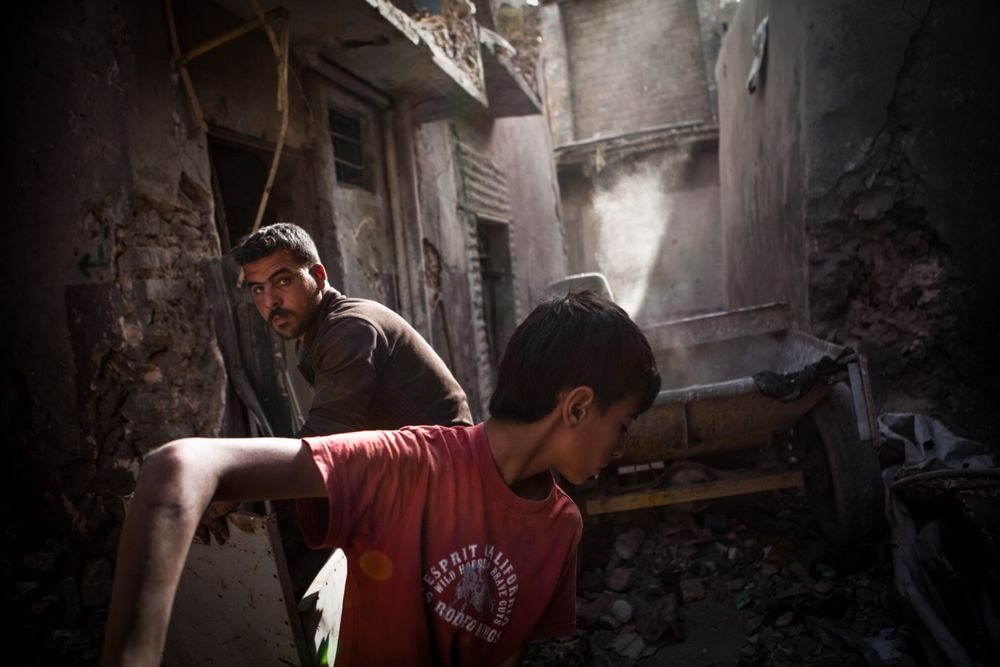
Mosul 2018 As the machines of war hammered down on Mosul, most of the inhabitants of the local zoo died of malnutrition and hunger. The tigers were fed with bread. A well-intentioned and yet such an ironic gesture! How can the world greatest hunter, the king of the jungle be nourished by just flour and water? Is this the measure of humanity? After my trip to Mosul that sentence about feeding the lion appears to me as a multimeaningful representation of life but also as irony. As if the tigers fate had been shared also by the people of that region - and humanity itself. To the prominent figures of the local culture scene, the poets, the musicians, the representatives of minorities and the free-spirited intellects, the devastation of Mosul represented the dark ages: it was an eternity in damnation. The desire to create and live freely was suffocated. Art, the food of the soul, was turned into something criminal and sinful. Practising it became a death sentence. Far from the centres, in small secret socities culture was created at the risk of ones life. The reality of Mosul was - and in part still is - like a gripping fictional film thats all true. These photographs are my exploration into a city, where the light of hope can be seen in the streets, cafés and in the eyes of the people. A wave of new hope is on the rise in Mosul - above all among the cultural figures of the city. Two different worlds exist withing the suburbs. The west side, old Mosul, is hell on Earth. The vast devastation can be seen for years to come. There is danger everywhere: boms, mines and bodies with diseases. There are also mass graves, the stories of which may never be solved. Perhaps no one even wants to. The roots of what has happened here are deep in the multidimensional and restless history of the region, a history that still affects today. Isis is just a small part of it all. Then there is the east side of Mosul, which at a quick glance seems perfectly normal. But when you look carefully, you see something else. During my exploration I saw many interesting things but at the same time I could feel a lot of fear and insecurity. Several times I heard the same statement: Isis is never coming back. However, many families connected with Isis still live in the city, but they are never spoken of. There are still cells that strike every night. Mosul is a truly feared city. Now trading is back on the streets and lights come up in the amusement parks in the nightfall like a light of hope in the middle of darkness. Books are back in cafés; people can enjoy them again. Restaurants serve food to smiling and laughing customers. In the background of all this commonplace beauty lie the vast devastation of the cultural traditions and heritage, broken minds and constant fears that may never be put at ease. It feels as if the entire city is in a whirlpool of uncertainty that is just going through a tranquil phase. My photographs are observations. They are questions and answers, a pure documentary about the disfiguration of war. They are portraits born of long conversations - or just surface? They are remarks made by an observer - or maybe just generalisations. Im not sure, because Im an outsider, who is on the inside. My photographs are most of all the will to understand, to see and to seek answers.
No categories selected
Photos (10)