"Folkets Hus – Space in common"
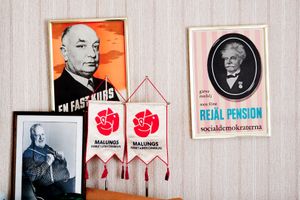
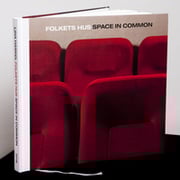
People's Community Centres in Sweden, Folkets Hus, are associated with both entertainment and labor. This fascinates me, the dependance between two widely separated activities with different needs of function and design, and how they share the space in the same buildings. And how some of them today not are used as much as 60 years ago. Folkets Hus origins from the late 19th century, when the Swedish Labor Movement were opposed when attempting to have meetings. The workers then built their own meeting places – Folkets Hus. Eventually they let entertainment activity partly finance the building of, and the union activity in, Folkets Hus. Labor and entertainment got dependant on each other. I investigated the appearance that over the years has been carved out over the years by the different activities in Folkets Hus. It seems to me that the appearance is pervaded by a certain sense of style, sprung from the functions that the buildings have in common. Also, local traditions aswell as individual creativity have had great influence on each building. My attention is often drawn to details and places that are overlooked. This is my personal experience of buildings that are alive in the Swedish collective consciousness, but also a Swedish cultural heritage which in some places is vanishing. I have photographed 66 Folkets Hus in all of Sweden’s 25 provinces, from north of the Polar Circle, to the the southern city Malmö. The book ”Folkets Hus – Space in common” is published by Journal (2013).
No categories selected
Photos (10)