
Drape // Parts
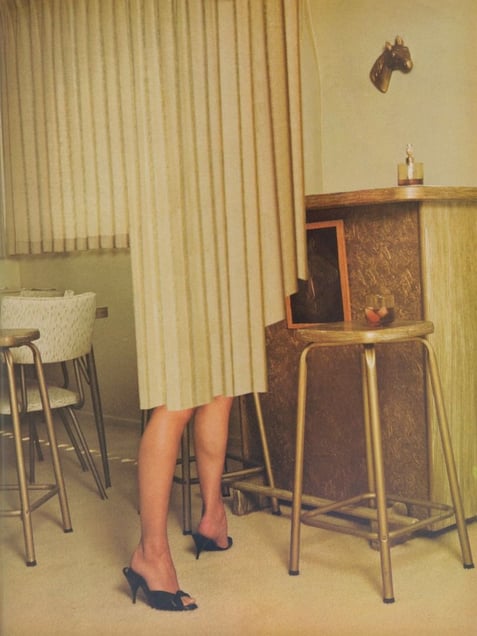
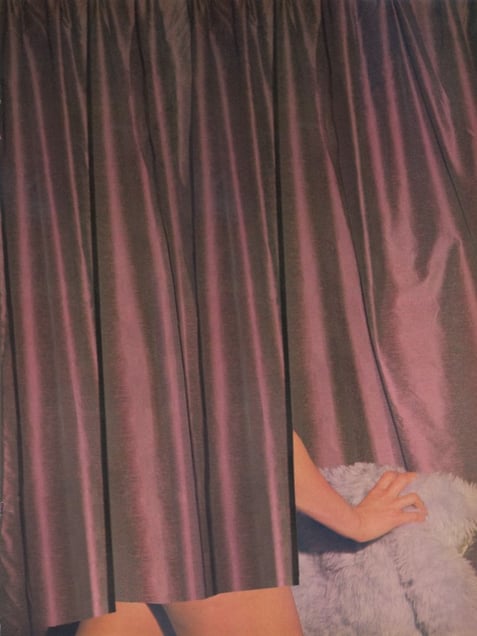
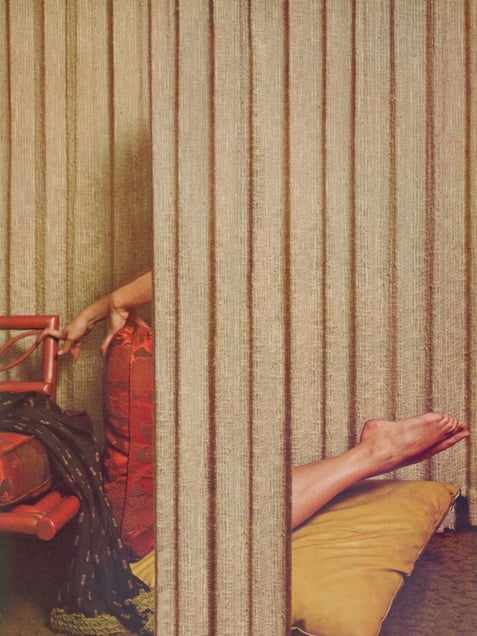
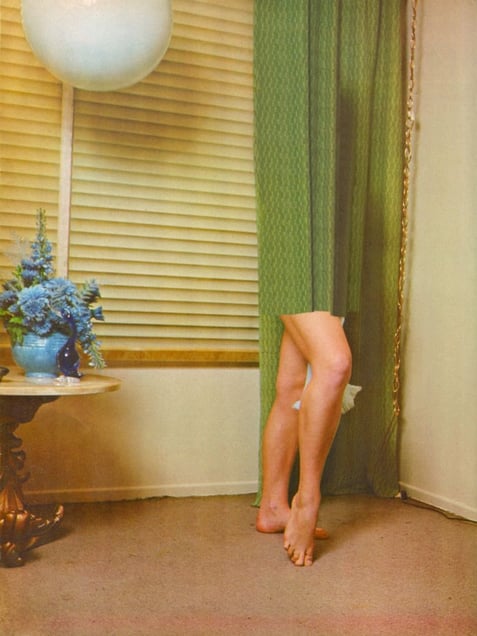
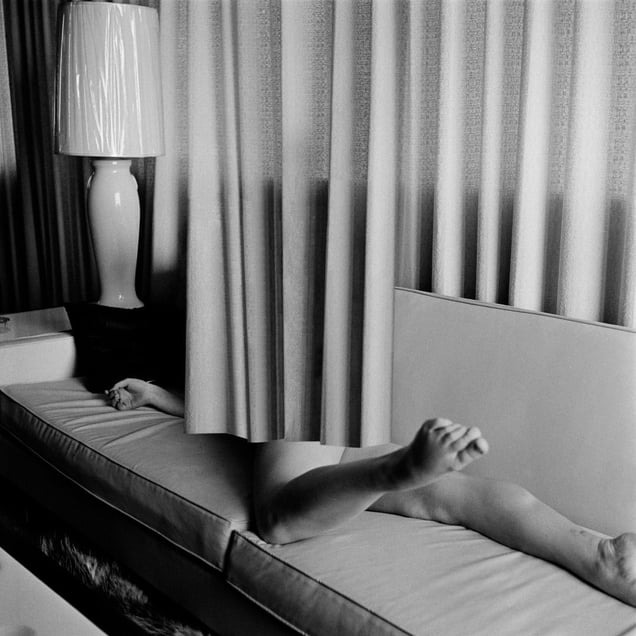
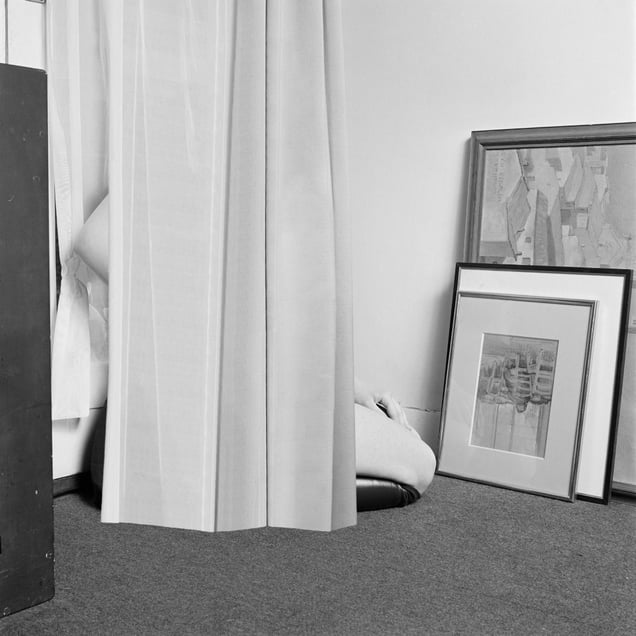
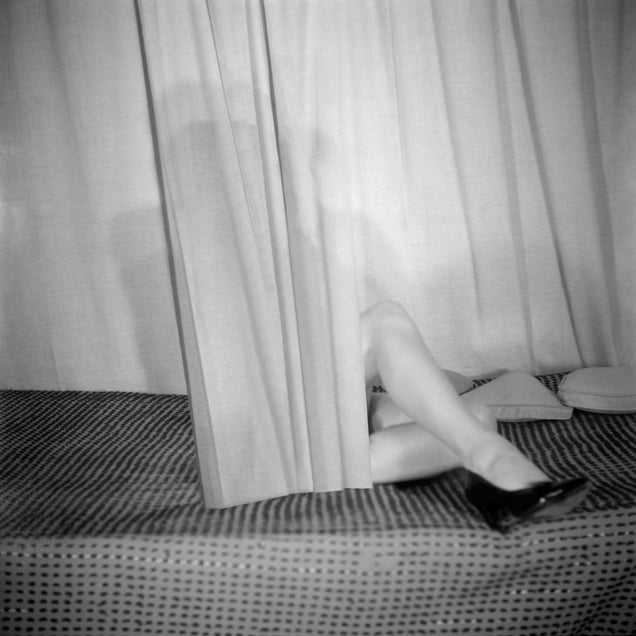
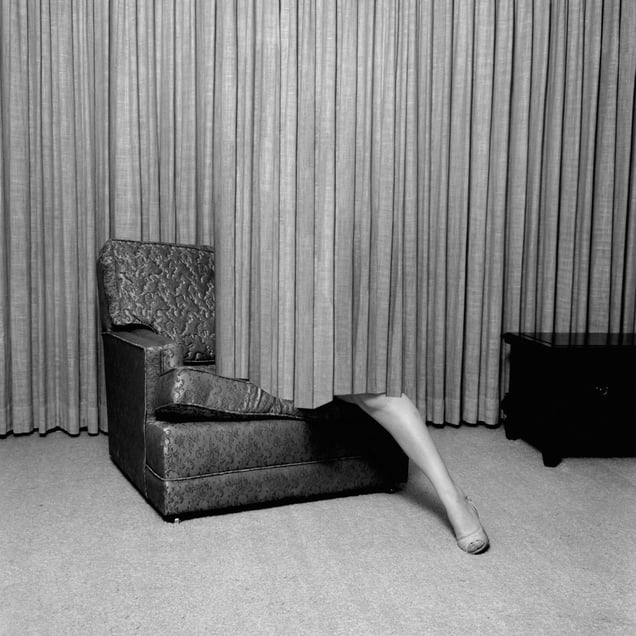
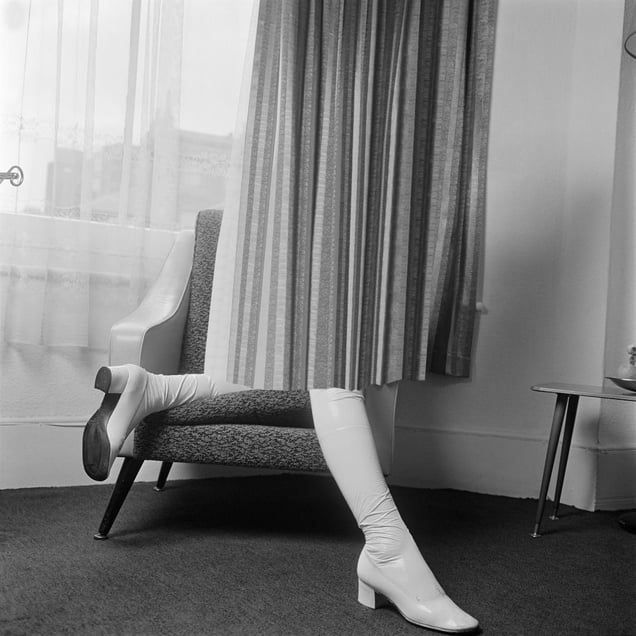
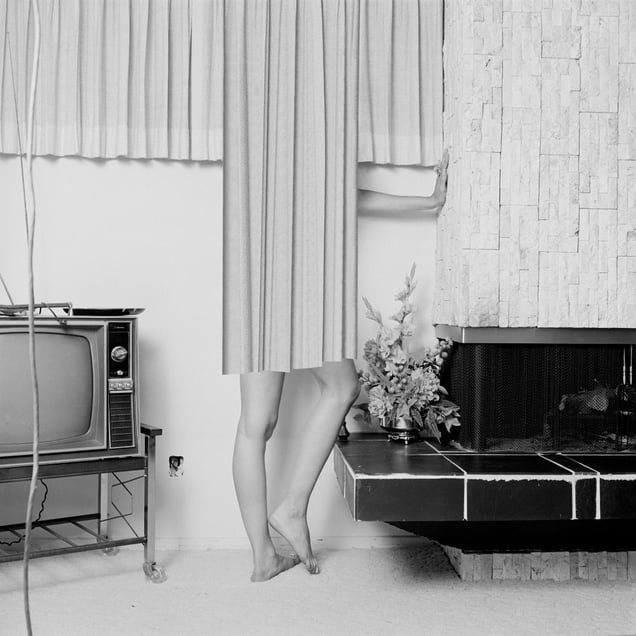
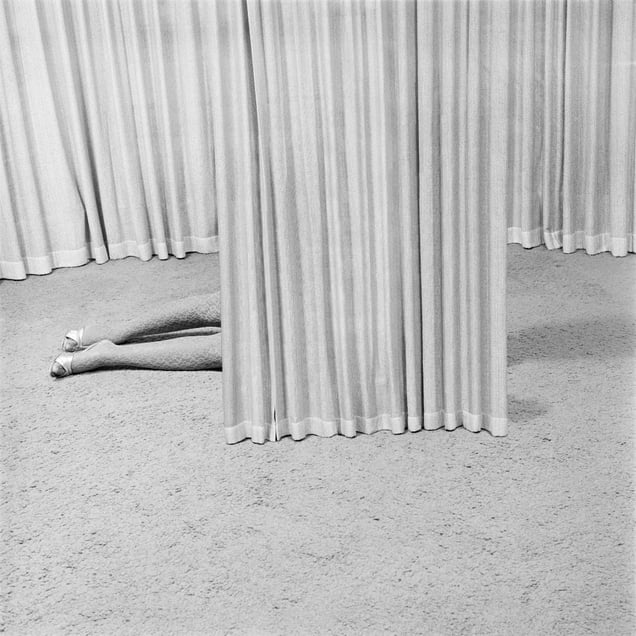
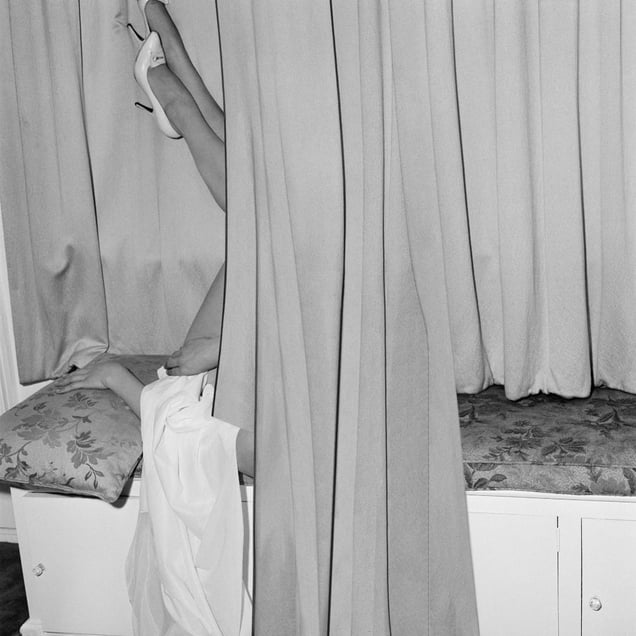
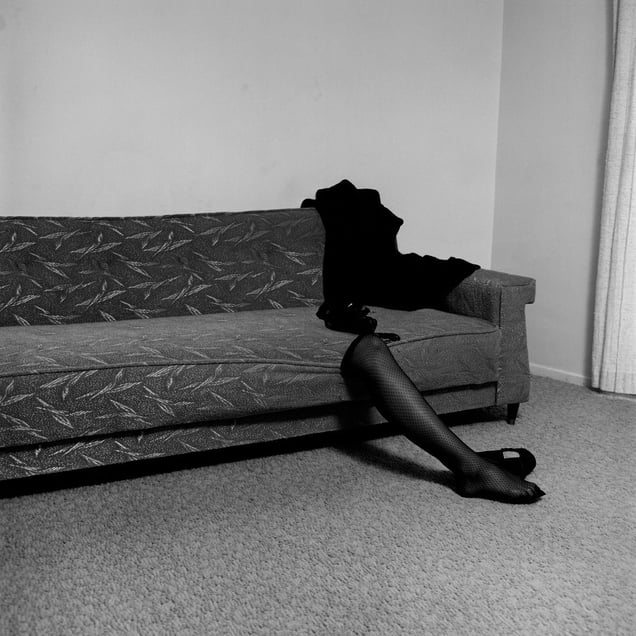
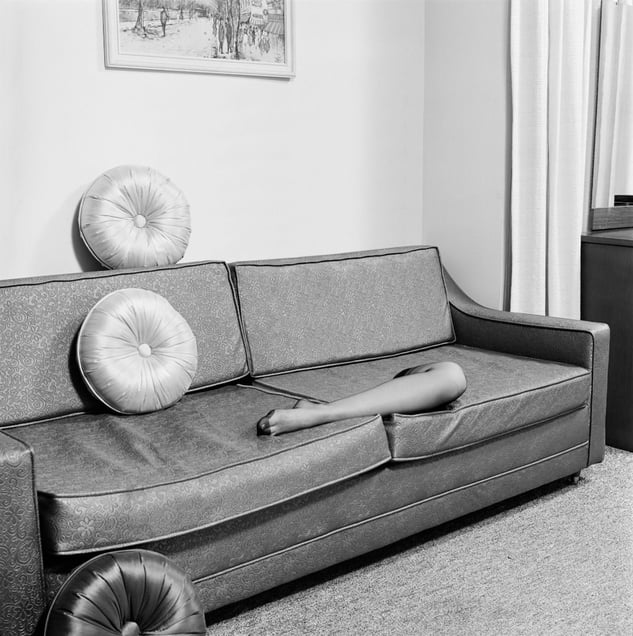
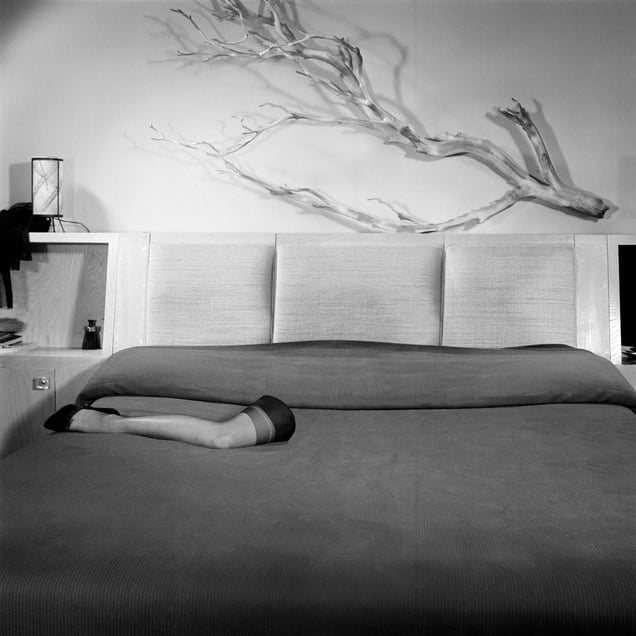
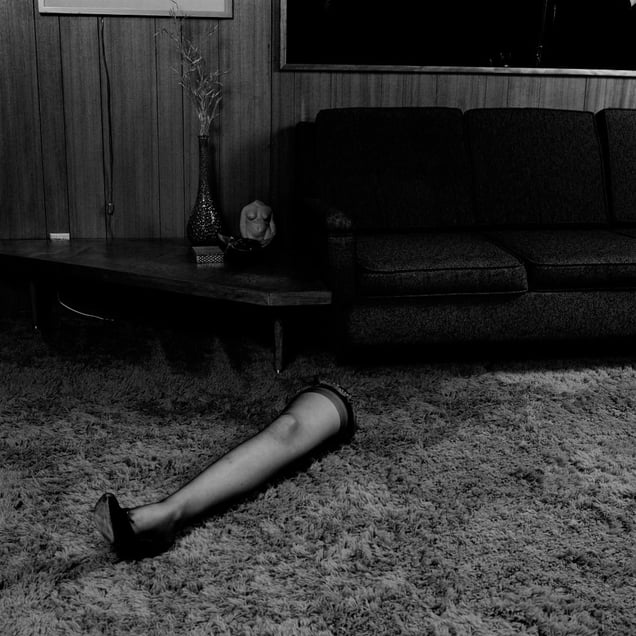
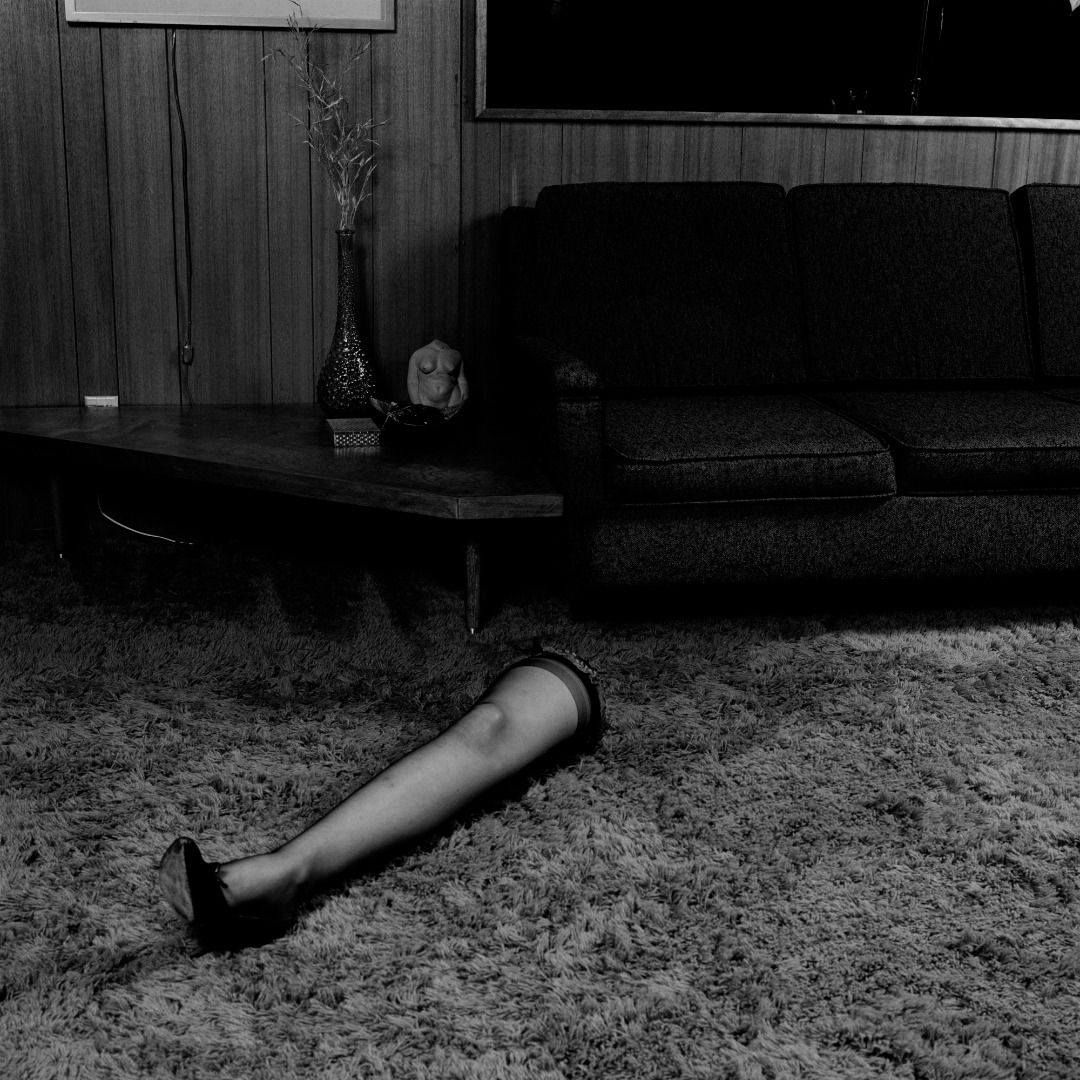
Drape Drape uses vintage pin-up photographs as its source material. These photographs, probably mostly from the 1950s and 60s, depict women that are posed in interior (semi-) domestic sets in front of curtains or drapes. After scanning these pin-up photographs, the curtains or drapes were digitally extended in order to partially obscure the women. The background (the drapes or curtains) and foreground (the model’s body) are exchanged and this digital manipulation causes a rupture within the scene. Once the backdrop falls in front of the model, showing just parts of her body, our voyeuristic desire becomes clearer. By deflecting and redirecting the viewer’s gaze, our attention is drawn to the rest of the scene that sets the fantasy, yet often remains overlooked. The square images all derive from original medium format negatives by unknown photographers; most of the (rectangular) images are derived from the 1960s men’s magazine Cavalcade (and retain their original size and layout in relation to the magazine page, with blank areas standing in for excised text). Drape is an ongoing series started in 2011. Parts Parts uses 1960s pin-up photographs as its source material. The pictures are digitally altered, obliterating most of the model and leaving only a leg intact. The resultant mood is macabre – the severed limb does not entice and the original photograph's erotic effect is turned on its head. When just one leg of the model remains, this leg calls attention to the rest of the scene. Viewers may try to piece together the original position of the model, or perhaps accept the leg as an absurd interior decoration or prop. The result is a very artificial and theatrical image even though the depiction of the model is drastically censored and cut. As all the flesh is removed from the pin-up images, the viewer is left to revel in the textures and materials of the stockings, footwear and interior decor. Parts is an ongoing series started in 2013.
No categories selected
Photos (16)