
Plasto Lemano
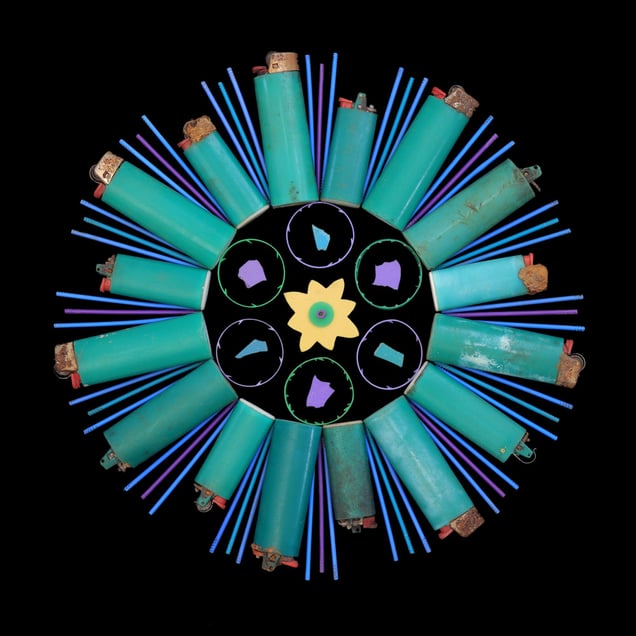
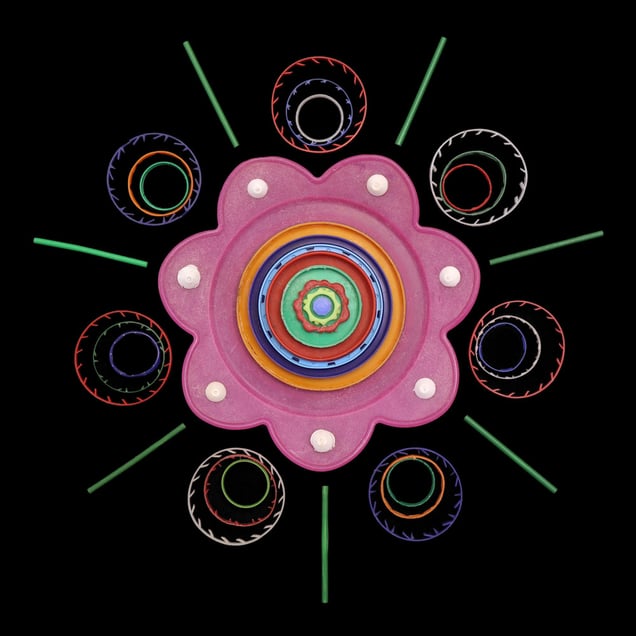
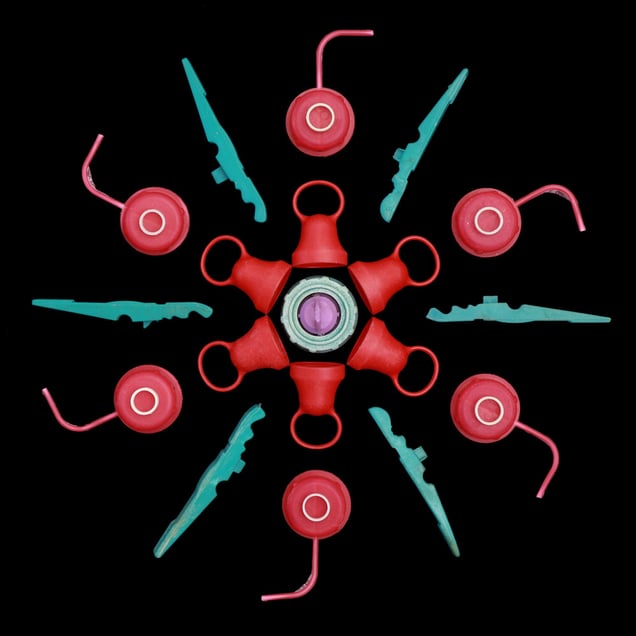
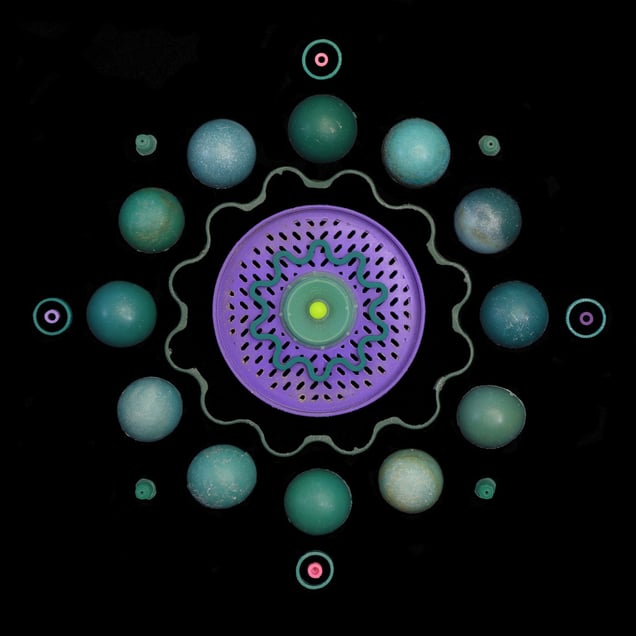
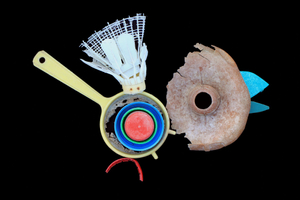
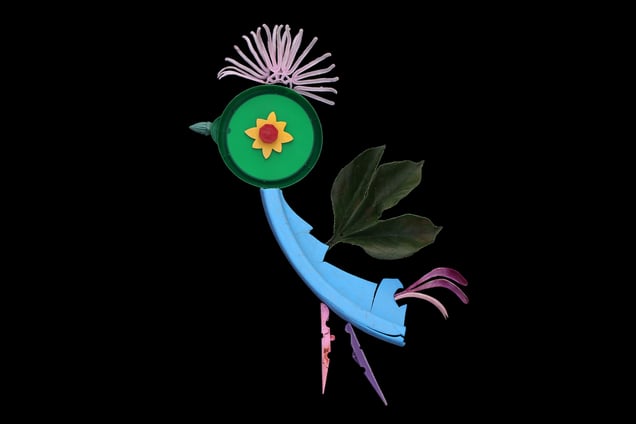
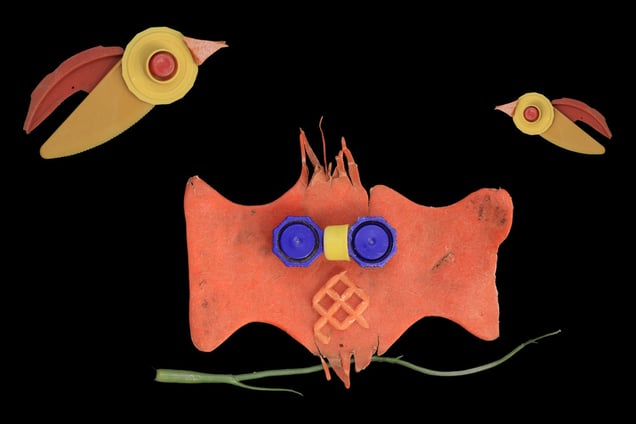
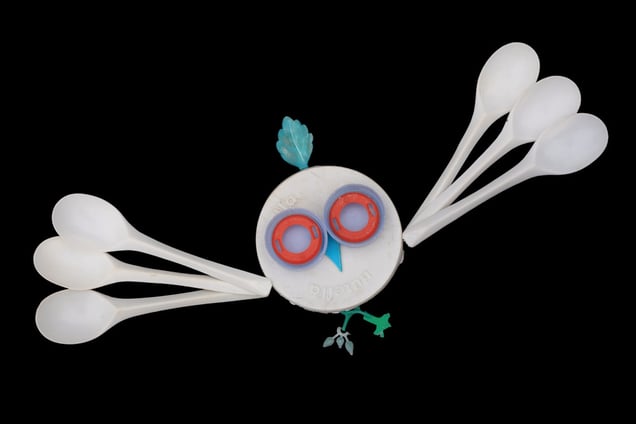
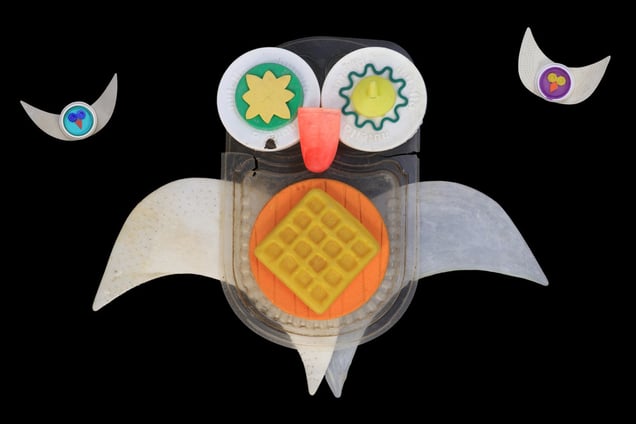
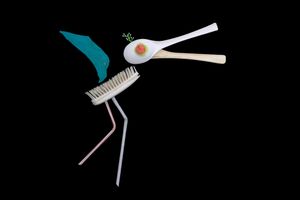
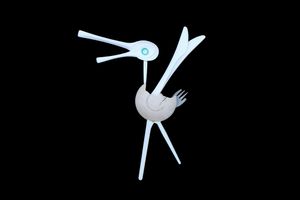
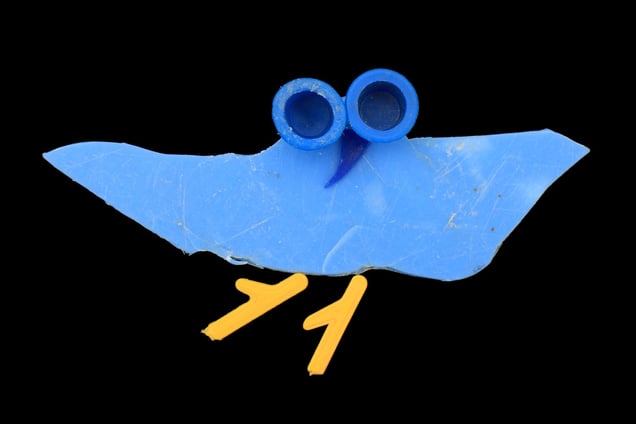
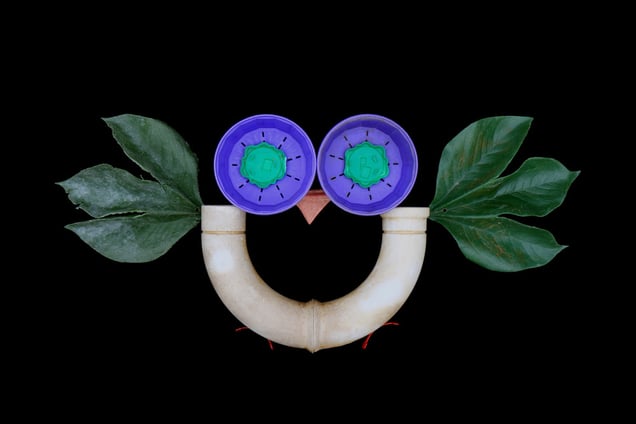
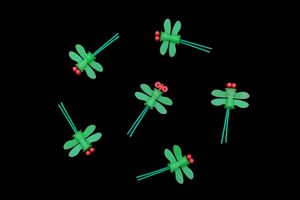
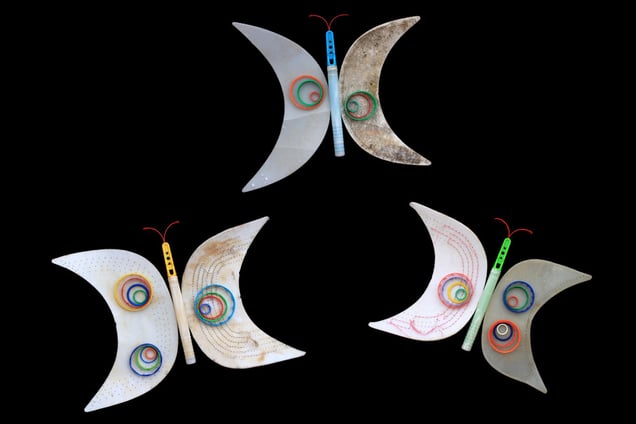
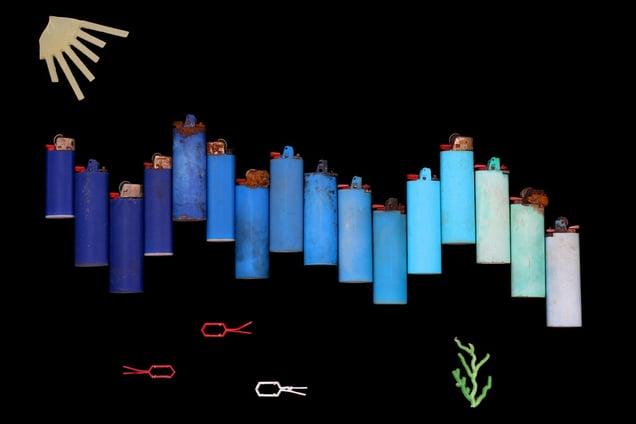
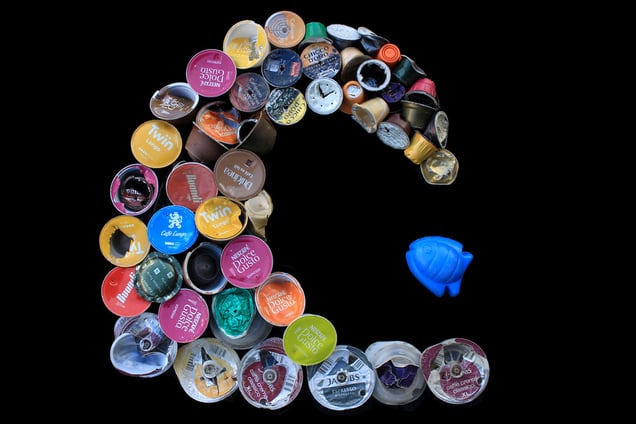
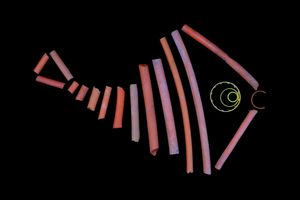
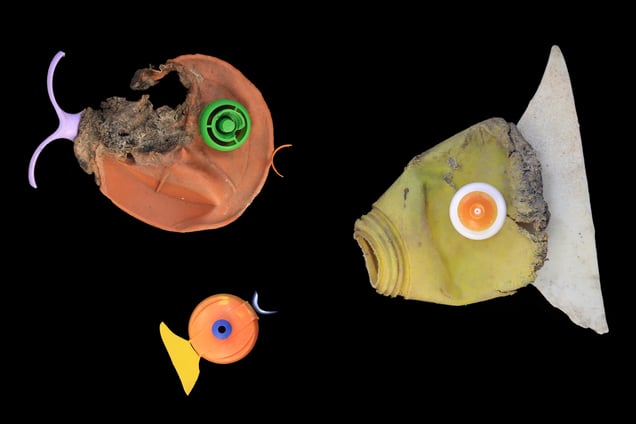
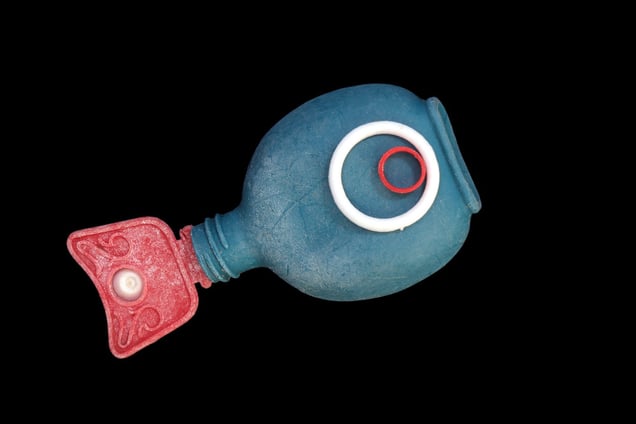
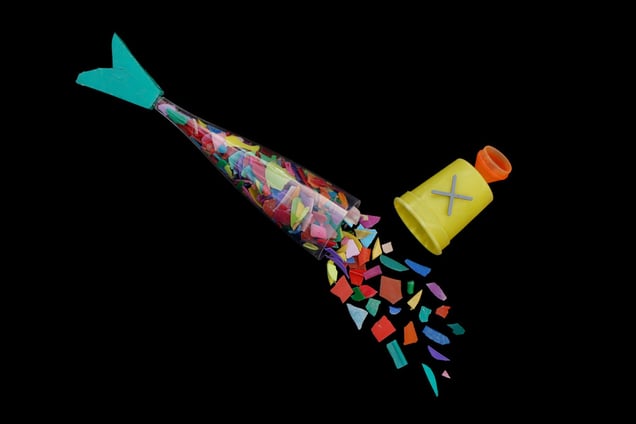
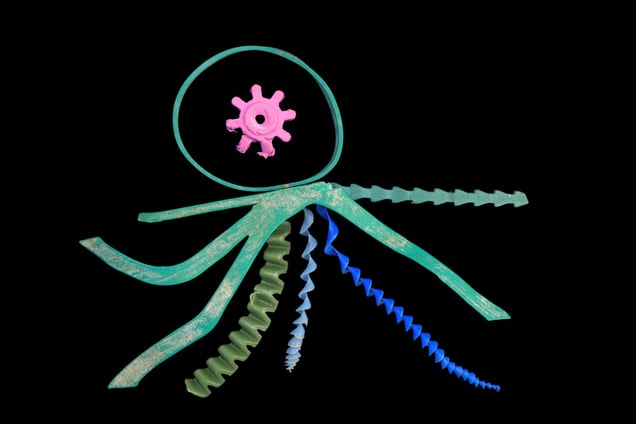
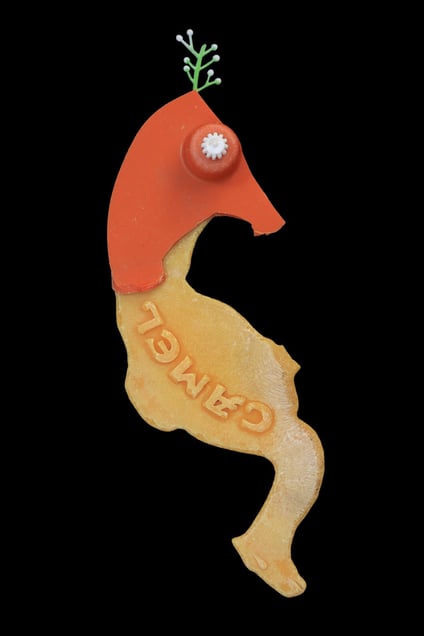
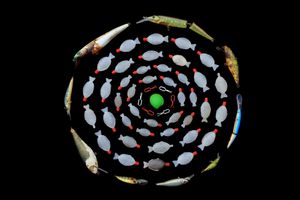
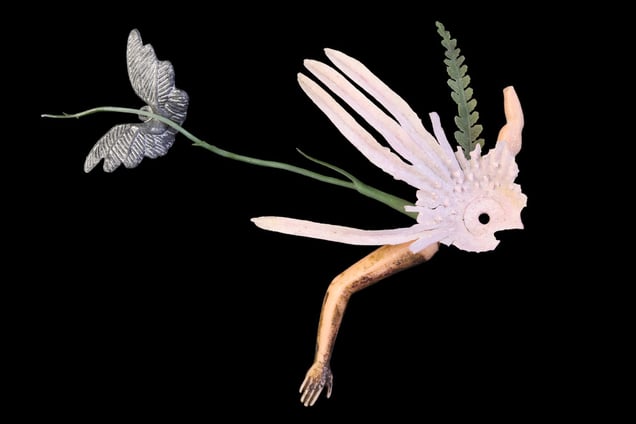
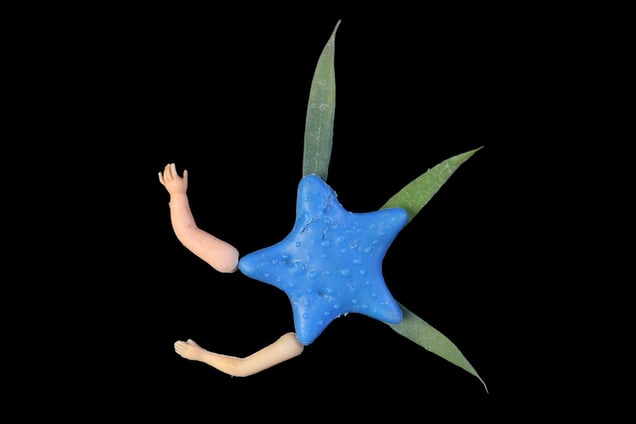
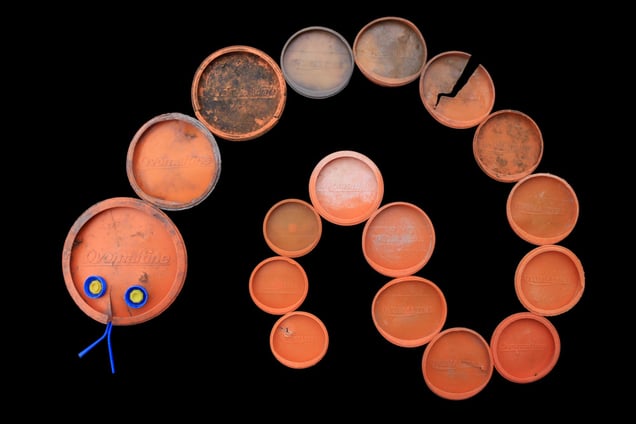
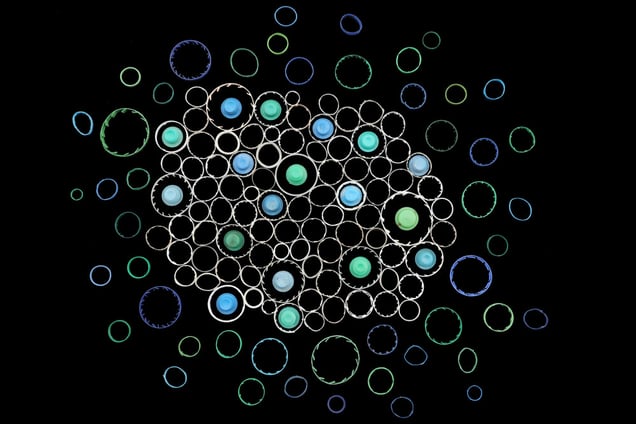
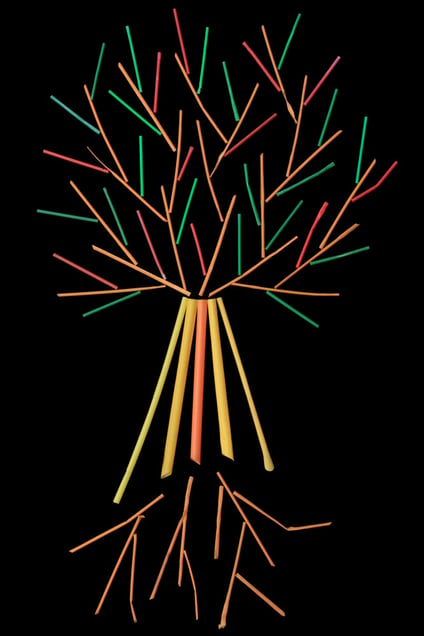
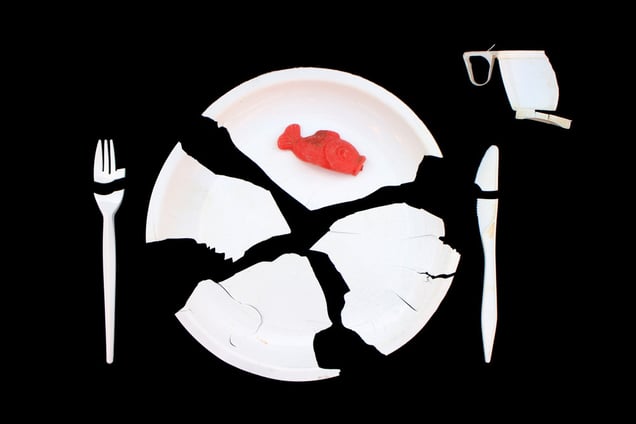
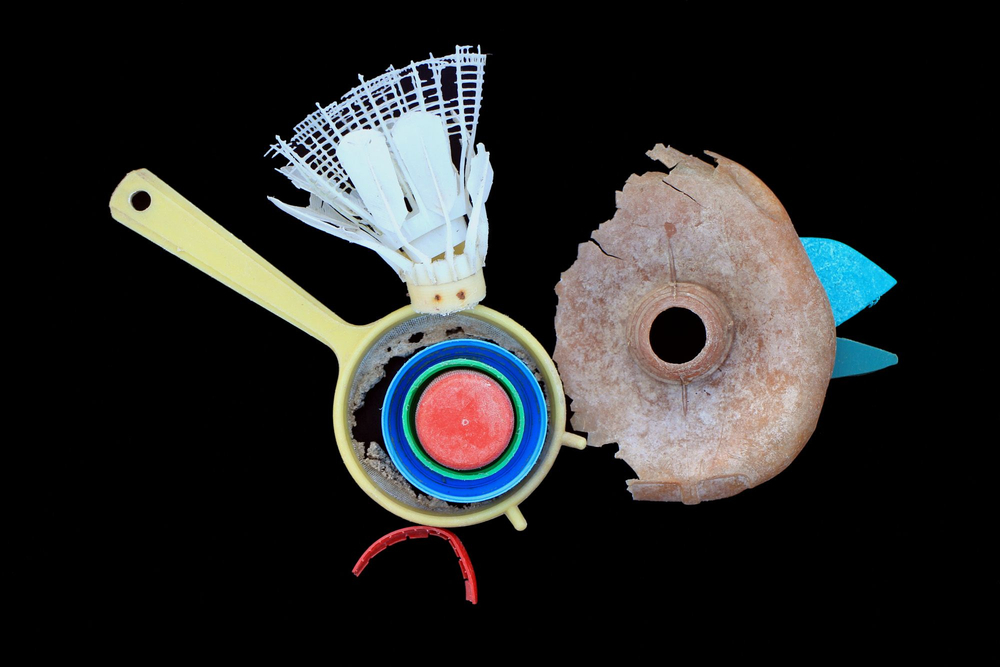
Plasto Lemano means plastic of Lake Leman (Lake Geneva) in Esperanto, a universal language for a universal issue. I create artworks with nonreworked pieces of plastic I collect from the shores of Lake Leman, Switzerland, mainly in the Grangettes Nature Reserve where I have been involved for many years in beachcleanup actions. Each year, several tons of (mostly) plastic waste wash up from the Rhone River and the lake’s mainstreams on these shores of international importance for water and migratory birds (Ramsar site). There are multiple sources of waste: littering, water treatment plants, construction sites, the industrial and agricultural sectors, and more. During site cleanups, we find considerable amounts of microplastic waste, which is especially difficult to clean due to it being deeply mixed with the soil in some areas. Microplastic is very harmful to wildlife, as it can be ingested by animals who confuse it with food sources. In addition, plastic acts as a sponge, attracting toxic substances found in water and in the natural environment. These substances, which are absorbed into the tissues, thus enter the food chain. I aim with my creations to raise public awareness about the socio-ecological issues of waste and consumption and the need for deep changes in our modern lifestyle through the emotion. The public often receives factual information about these issues, but this is not enough to initiate real change. There must also be an emotional connection, and this is where art has an important role to play. I share a deep connection with nature and this project was born from my sensitivity to the suffering of the Earth which I strongly feel within myself. New species populate Lake Leman and the Grangettes Nature Reserve. Through my artwork, I aim to explore the interconnections between all living beings as well as the complex relationships between waste and the natural environment. I can feel the soul of every piece of plastic I find and my work is a way to give back a function to the waste, this abandoned object that has become undesirable and has lost its values, thus changing the ways in which we view it. Most of the waste ending up in Lake Leman and in the oceans are disposable plastics, the use of which that could be avoided. The only real solution to stop the proliferation of our waste in nature is to drastically reduce our production and consumption of plastic at the source.
No categories selected
Photos (33)