Reinhard Krause (*1959 in Essen, Germany) is a German photographer, photo editor, and collector of historical photography.
After studying photographic design, he initially worked as a freelance photographer.
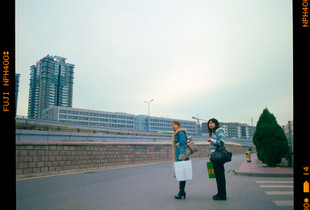
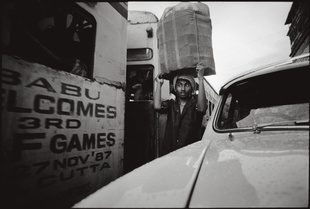
From 1989 to 2025, he was employed by the international news agency Reuters. During his journalistic career, he lived and worked as a photojournalist in countries including China, India, Israel, and the Palestinian Territories.
A documentary film, “Shooting Under Fire”, was made about his work as a photojournalist and crisis photographer during the Second Intifada in Israel , Gaza and the West Bank.
As a photojournalist, Krause received multiple awards in the context of his work at Reuters, including 1st Prize (General News – Singles) in the 2001 World Press Photo Contest.
Photographs from North Korea, taken during several of his assignments for Reuters, were part of the exhibition “Images from North Korea” at Stadthaus Ulm (2017).
Later, he assumed senior editorial roles and was for many years Editor-in-Chief of the international photo service at Reuters in London. Under his leadership, the Reuters photo team won the 2016 Pulitzer Prize for Breaking News Photography for coverage of the refugee crisis in Europe.
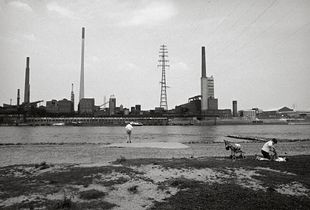
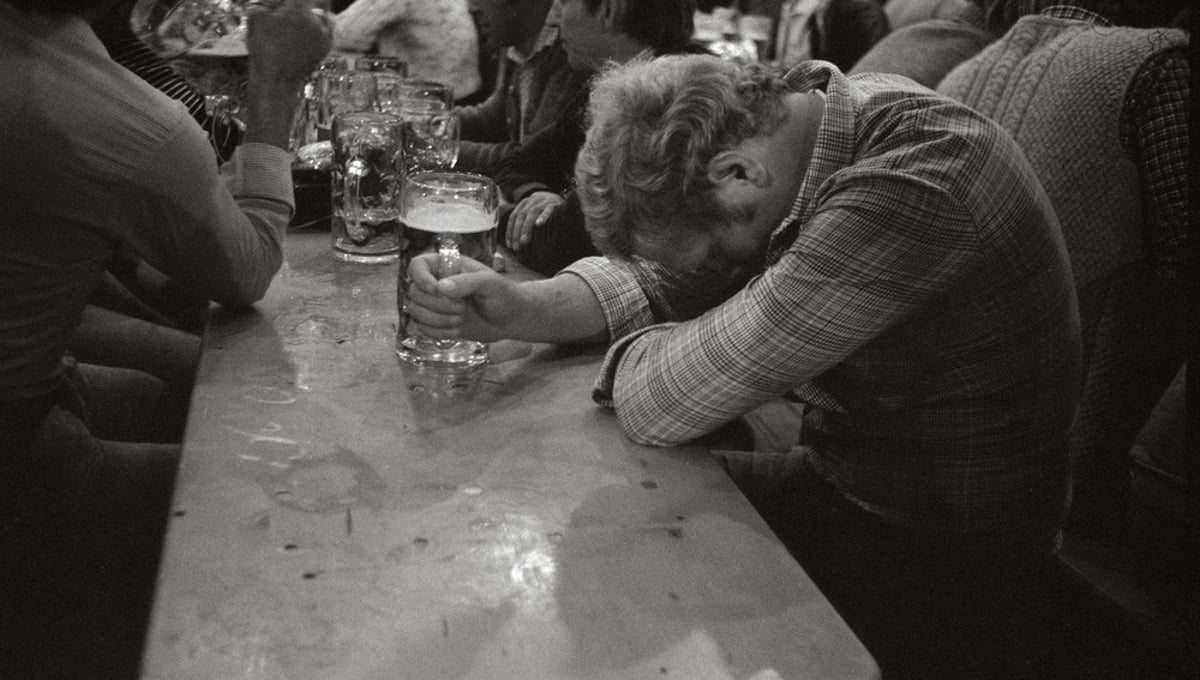
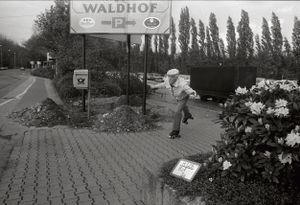
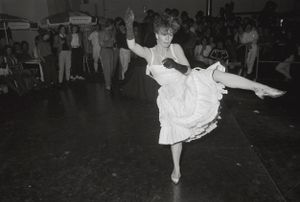
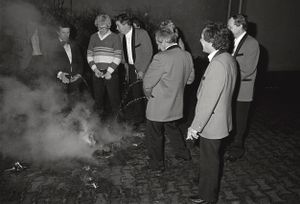
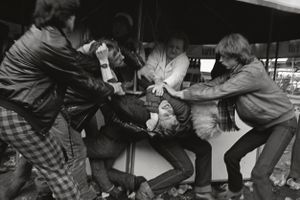
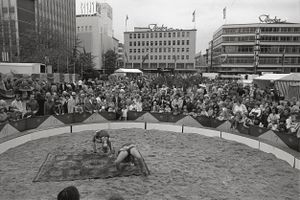
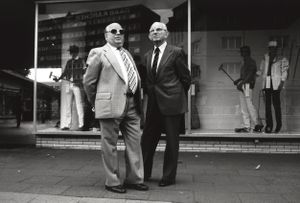
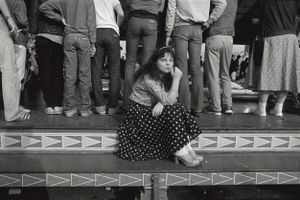
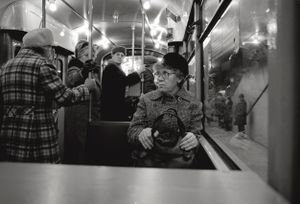
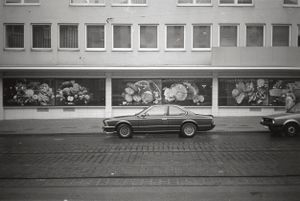
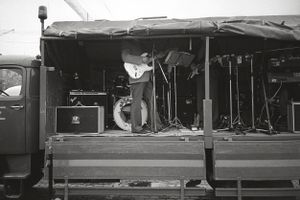
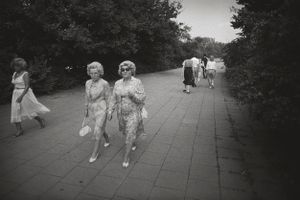
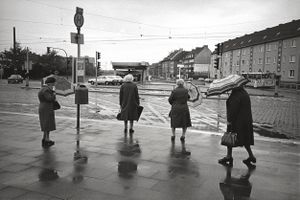
In the 1980s, Krause photographed everyday life in the Ruhr region. From 2016 onwards, these works were shown in several solo exhibitions, including “The 1980s – Photos from the Ruhr Region” at the Ping Pong Gallery in Bochum and at the Galerie Clowns & Pferde in Essen. His photographs are part of the Pixelprojekt Ruhrgebiet.
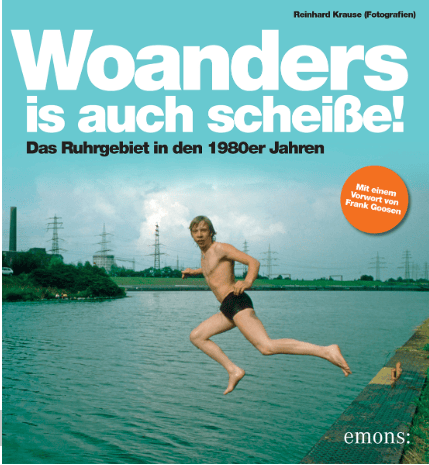
In 2020, the photo book “Woanders is auch scheiße! – The Ruhr Region in the 1980s” was published by Emons Verlag, compiling these early photographic works.
Another focus of Krause’s work is the collection, preservation, and publication of historical studio and everyday photography from the 20th century. He maintains an online archive and project pages documenting photographic estates, series photography, studio portraits, and commercial or automat photography. A portion of his collections and personal works has already been transferred to public collections.