-
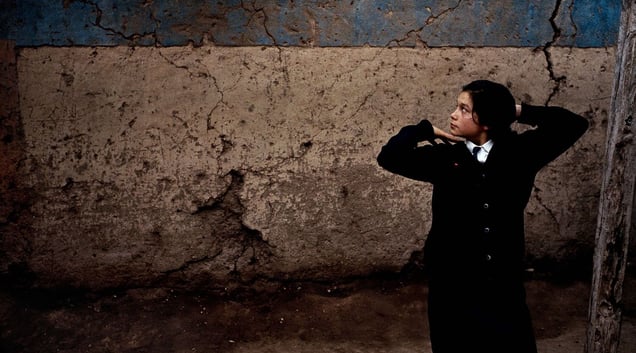
The Magnum photographer speaks about why every emerging photographer needs a mentor, his years shooting for National Geographic, and how he maintains his vision across personal and assigned work.
-
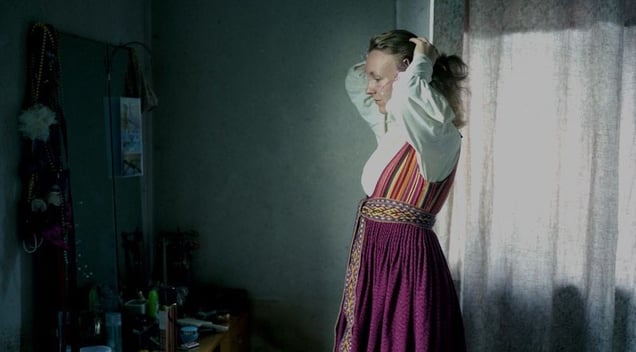
Two interlinked stories about love and survival in Europe’s northern fringes. In the former, a fateful decision almost 400 years ago sealed the fate of the Suiti people; in the latter, the Arctic Circle’s Sami people slowly come into focus. Learn more about both in this extensive interview.
-
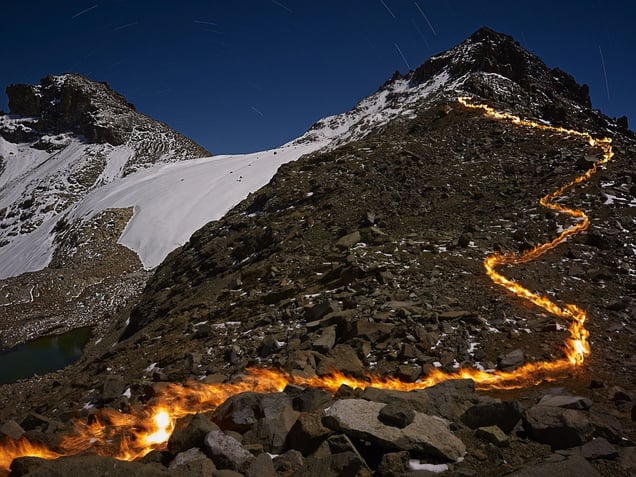
Now Open in Vienna—”Seen on Earth”! Visualizing the retreat of glaciers can be difficult—by charting the gradual reduction of Lewis Glacier with lines of petroleum-fueled fire, this series dramatically calls us to consider our part in the diminishing natural landscape.
-
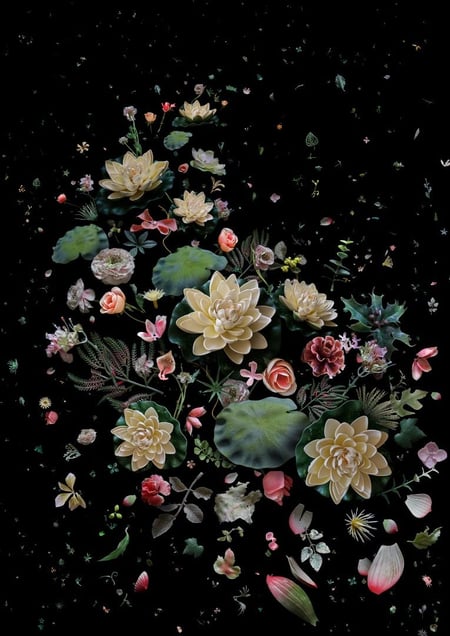
While visually pleasing, these collages of debris collected on Hong Kong beaches—sometimes within a single day—call attention to the severe pollution that is poisoning our world’s oceans.
-
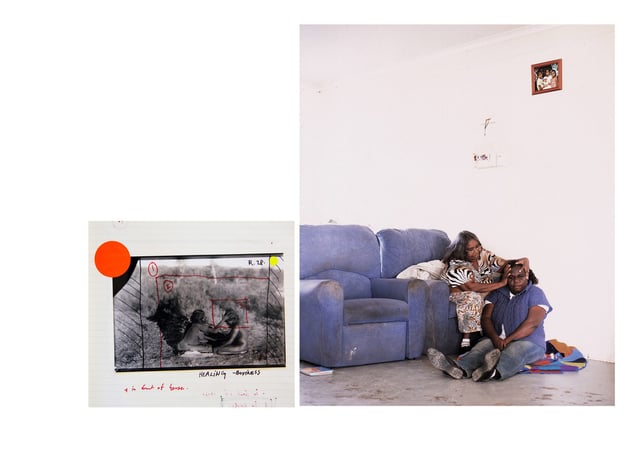
Offering new perspectives on contemporary Aboriginal life through a comparison with a famed, century-old photographic archive. In each diptych, the past, the subjects and the photographer come into intense, performative dialogue.
-
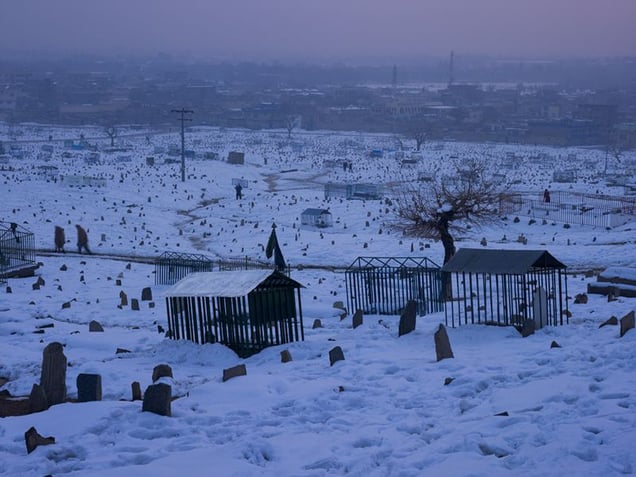
Already an award-winning photographer of contemporary Afghanistan, Simon Norfolk returned this time to follow the footsteps of a relatively unknown Irish war photographer, John Burke, who had documented the Second Anglo-Afghan War (1878-1880). This immensely engaging book presents the works of both photographers, as well as compelling essays that offer context to this subtle and complex work.
-
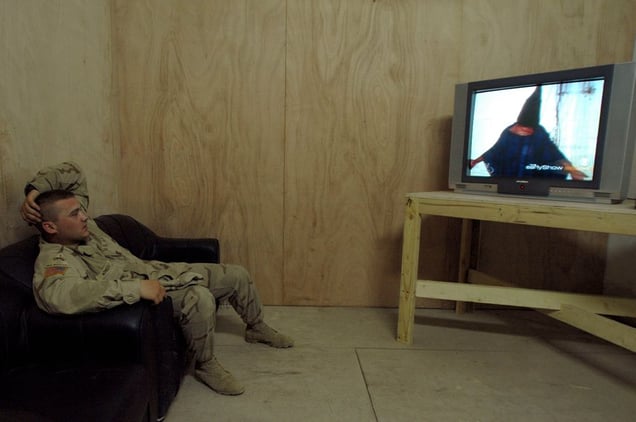
“The making and use of images can be a part of the conflict, as well as merely recording it.” Curator Julian Stallabrass has pulled together a very intelligent show about photography and war. Read more about his ideas and discoveries in a great interview. Warning: many of the images may be quite disturbing.
-
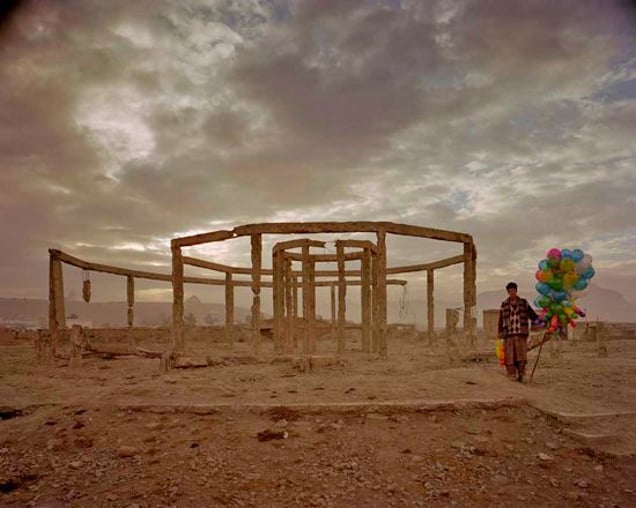
Acclaimed photographer Simon Norfolk is exploring the idea of “battlefields” and how that term has expanded in meaning in recent wars. Here we feature images from several bodies of work, plus an engaging audio interview with Norfolk.