MA Visual Communication (with distinction) 2019
Stephen Calcutt is a Birmingham-based photographer whose Bus Stop series grew from time spent waiting in bus shelters across the city. His work uses scratched and etched bus shelter windows as a photographic lens.
For Stephen, the graffiti carved into plexiglass feels different from painted street art. It often lacks colour, craft, or visual intent. It can feel like a violation of the window itself, like a damaged eye or a view made unclear by age, wear, or disease. The window should act as a clear barrier between the body and the weather, but the scratched surface disrupts that purpose. It blurs, breaks, and distorts the world beyond it.
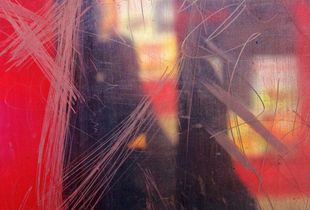
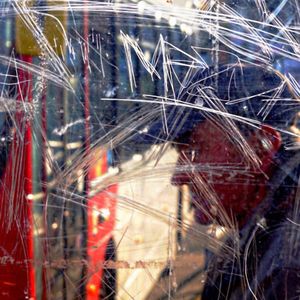
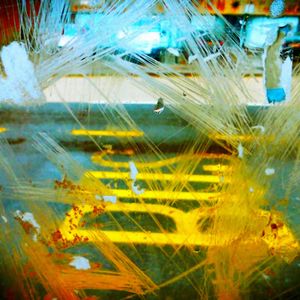
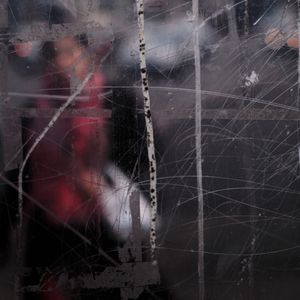
Stephen turns that damage into the starting point for an image. He focuses his camera on the etched marks and allows the view behind them to fall out of focus. The scratches, the street, the light, and the colour merge into one flat visual plane. Swirls, zigzags, cuts, and curves move across the image like painted marks. At first glance, the photographs can appear abstract or impressionistic. On closer inspection, they reveal their source: a damaged public window, a street view, a waiting place.
The views beyond the glass are often mundane. Roads, people, shops, vehicles, and fragments of city life appear without drama. Stephen is drawn to this ordinariness. By combining damaged surfaces with ordinary scenes, he creates images from places and materials that people often ignore.
The series explores anxiety, detachment, frustration, and empowerment. It also sits within a paradox. Stephen does not condone the vandalism that creates these marks, but he uses the damaged glass to make images that are vivid, energetic, and often beautiful.
Bus Stop asks viewers to look again at a familiar form of urban damage. It also shows how a camera can transform the overlooked into something strange, charged, and new.