Gaza, the aftermath...
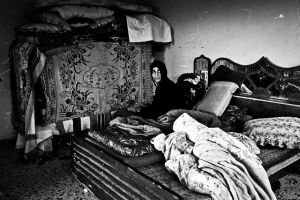
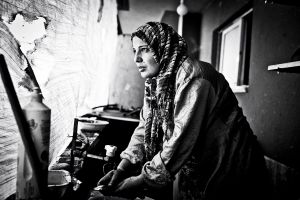
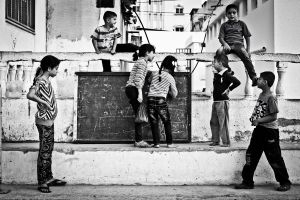
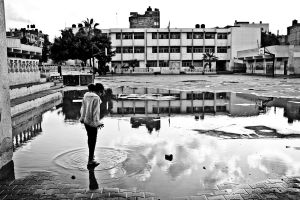
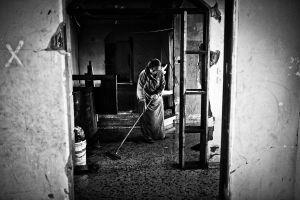
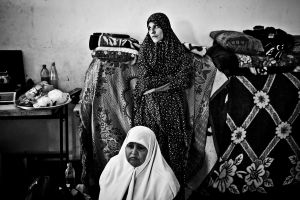
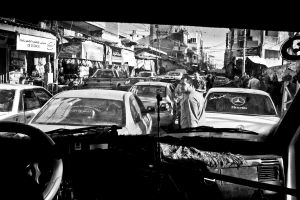
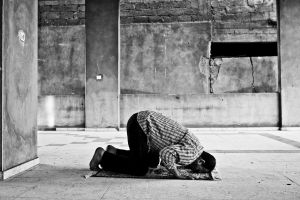
The last war in Gaza during the Israeli operation “Protective Edge” has made 2502 victims on the Palestinians side and 71 on the Israeli side (according to the UN numbers). But the damages don’t stop on the number of casualties. Indeed, more than 18 000 houses have been destroyed without counting the number of commerce’s and agriculture lands. Accordingly, the UN counts more than 108 000 homeless in the Gaza Strip. Some of the people who have lost their home are now living in UNRWA schools used as shelters, others went back to their houses trying to live in what’s left of what has been destroyed, in a improvised tent or there are those who have benefited from temporary houses. However, citizens of Gaza still waiting for the reconstruction to start as the International help promised $5,4 billions to rebuild Gaza. During the months of October and November 2014, just a few trucks with material have passed the border of Israel. On the Egyptian side, the authorities have been closing the border to any Gazan willing to enter the country. The tunnels coming from Egypt have been destroyed and no more goods or medicine can pass inside the Gaza strip. As a consequence, prices have risen and daily life becomes more and more difficult in an environment already undermined by the last war and the blockade. Months after the last ceasefire in August 2014, I try to tell the everyday life of the Gazans between certain normality and the open scars of a conflict. My will is to continue to go in and out of the Gaza strip in order to document the rebuilding of it, in the material sense as well as on the psychological way of it. Gazans are tired of this everlasting conflict with Israel and young people can’t even draw an image of a better future. Furthermore, there are interns tensions as there are always delays on the salaries of the functionaries. My aim with this project is to transmit the feeling of living in a place where it seems impossible to build and predict the future.
No categories selected
Photos (30)