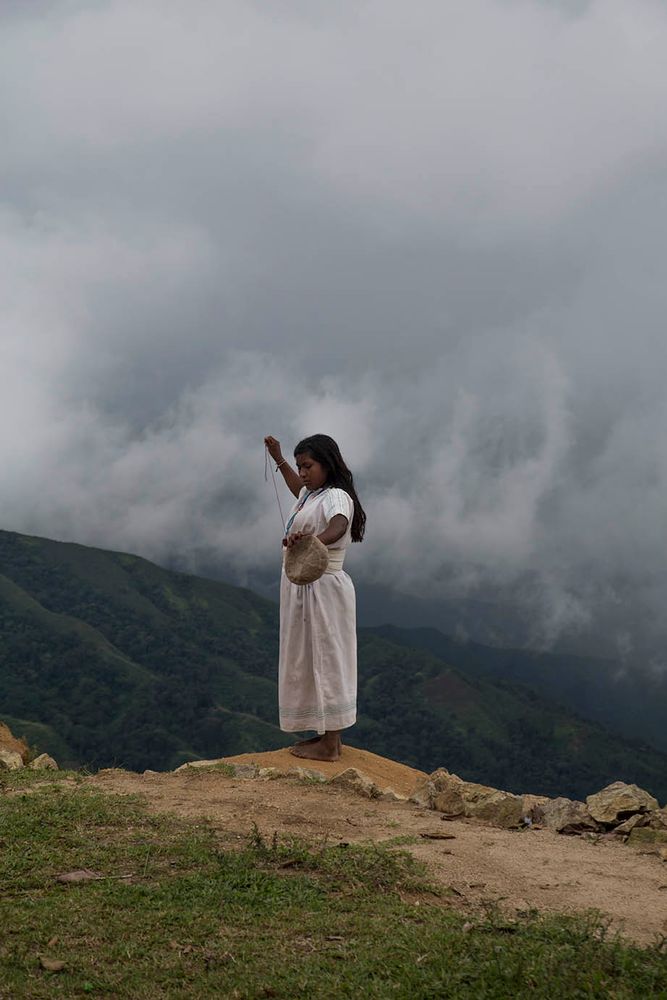

Wati
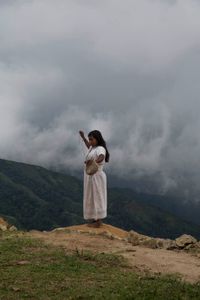
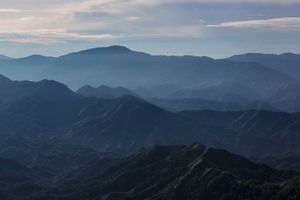
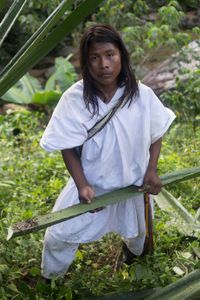
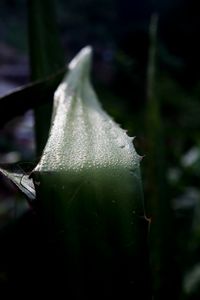
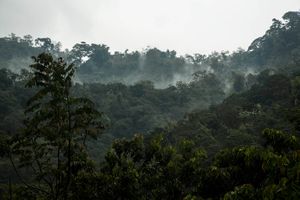
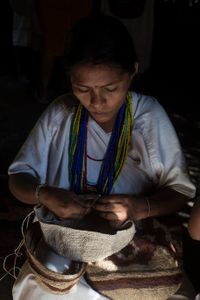
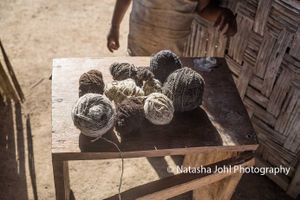
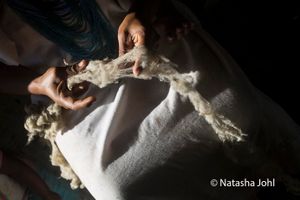
This photo essay covers the village of Singueny, in the heart of the Sierra. The highest coastal mountain range in the world, the Sierra Nevada de Santa Marta, is home to the Arhuaco, Kogui and Wiwa, descendants of the Tairona, an ancient South American civilization. The majestic Sierra Nevada rises more than 18,000 metres from crystaline waters of the Caribbean, to the sacred snow peaks, and with seven eco-systems in one area, it is unsurprisingly known as the ‘Heart of the World’ to the indigenous communities who reside there. The Arhuaco, Kogui and Wiwa describe themselves as the elder brothers, and have developed an understanding of the earth which gives equal measure to the human mind and spirit and the forces of nature, the human mind, soul and imagination known as Aluna, and the spiritual core of existence known as Se. For the indigenous in the Sierra, the central belief system works around equilibrium and balance, every creature, however small can be seen as part of larger picture which makes the world whole. All things are equal, and without harmony and balance the world is in danger. 'When you go to dig your fields, or make a pot from clay, you are disturbing the balance of things. When you walk, you are moving the air, breathing it in and out. Therefore you must make payments.' Arhuaco The mochila, a hand woven shoulder bag, is the most representative item of these people, with the Arhuaco mochila being one of the most widely known. In fact, in 2006, the bag was nominated as the Arhuaco cultural symbol of Colombia in the contest organized by the magazine Semana. During 1960s, the arhuaca mochila left the Sierra Nevada and was began to be seen all over Colombia, today it used by old and young alike and represents a core part of Colombian culture. Each one unique, the mochilas are woven by Wati, Arhuaco women, who are said to possess the energy and the wisdom to make the bags. It is not only the elaborate and time-consuming methods that make them so distinct, but also the ancient tradition and symbolism that they represent. Each bag holds the spiritual story of the woman who has created it, with her thoughts, beliefs and philosophies intricately woven into each design. The process is very much community based with the women weaving in groups and each woman works as part of the group. Each mochila takes between 30 to 60 days to finish, utilising techniques that have not changed over centuries. Although the whole community is included in the production of the mochila, only Wati can weave the bags together according to custom. Wati learn to weave as children, first by watching their mothers, and the first mochila they create is given to the priest (Mamo) as part of the life cycle ritual. When the woman marries, she makes a mochila for her future husband and herself, her spirit woven into both designs. The bags are 100% natural and organic, with two types of material used, fique – the agave cactus and sheep’s wool, leaves and bark are used to make natural dyes.
No categories selected
Photos (8)