
PROBES
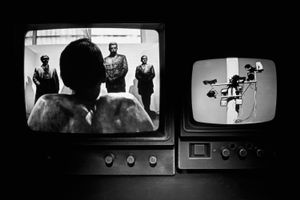
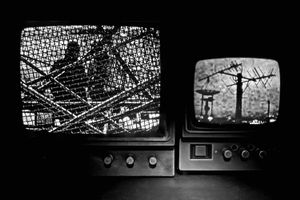
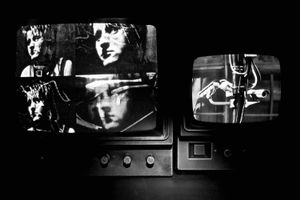
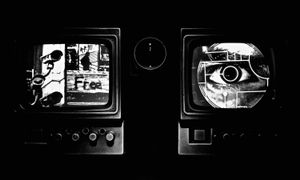
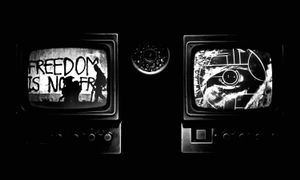
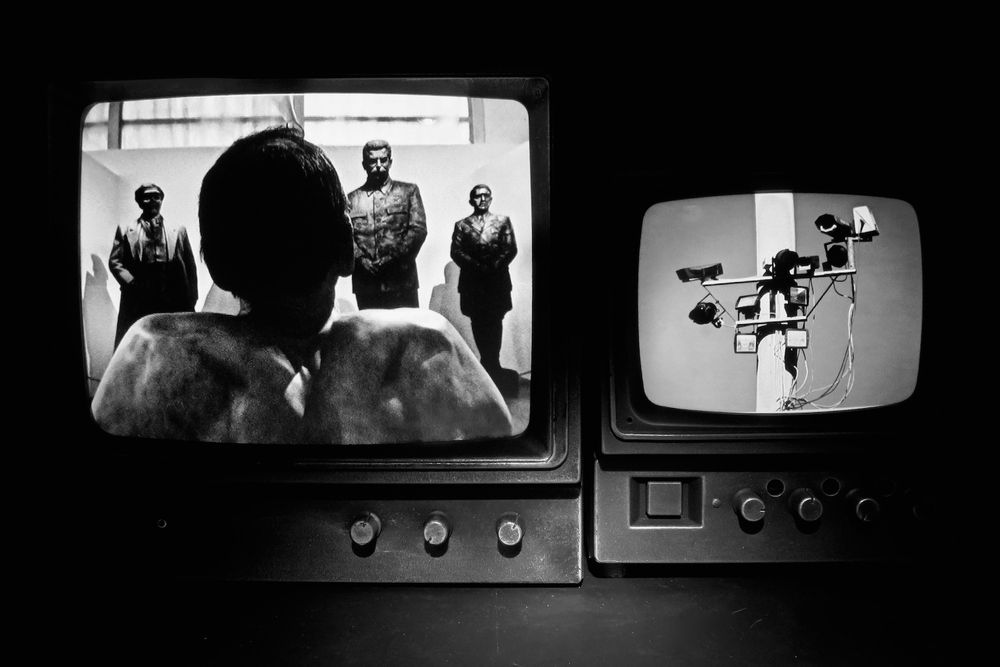
The photographs are selections from my website: denisgillingwater.com. They express the visual and conceptual interfaces between the rapidly expanding (un)known and/or (un)wanted penetrations of surveillance technologies into the mental and/or physical realms within our everyday being and the every contexts of our urban environs. According to Shoshana Zuboff, a Harvard Emeritus Professor, Surveillance Capitalism (her title) has evolved into a new species of power she tags as “instrumentarianism”. “Its power knows and shapes human behavior toward’s other’s ends. Instead of armaments and armies, it works its will through the automated medium of an increasingly ubiquitous architecture of ”smart” networked devices, things and objects”. My own CCTV surveillance system with its cameras surveil my photographic prints displayed on my studio walls. These images appear on the system’s TV monitors housed in a large black box for final photographing. The monitored prints were originally taken on site in various international cities or accessed through surveillance cameras using an iPad via the internet. Surveillance imagery is often blurred, fractured, and/or loaded with “digital noise”. These characteristics are embraced visually and conceptually. The work intentionally offers itself as an alternative to highly refined digital photography. The images serve as metaphors regarding the instability and precariousness of the human condition no matter how “technologically advanced” we become. The incorporation of the CCTV monitors for “framing” many of the photographs is to heighten the socio-psychological presence of surveillance in our lives. In line with this is why who and/or what is pictured and what are the image’s surveillance cameras observing and for what purposes. Other considerations and questions could arise as to what and where are the boundaries of surveillance image gathering regarding issues of public safety and individual privacy rights along with what are the socio-psychological implications individually or collectively in a society.
No categories selected
Photos (5)