
Egun
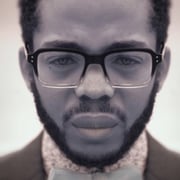
The images are the manifestation of a long held desire to revisit and unpack formative cultural experiences from my childhood in Nigeria; encounters with the Egun masquerade. Egungun, (egúngún with proper Yorùbá language tone marks) in the broadest sense of the word, refers to all types of Yoruba masquerades or masked, costumed figures. More specifically, "Egungun" refers to the Yoruba masquerades connected with ancestor reverence, or to the ancestors themselves as a collective force that facilitates communication between the living and the dead. These experiences have lived through me into my adult life in the UK. So, this series of photographs is a response to my journey into recollection and the exploration of my diasporic identity and cultural heritage. The first four images reflect my recollection of my childhood encounters, and fall into a sub section entitled ’Mo si ri omiran’ translated as ‘I saw giants’. They were taken during a visit to the republic of Benin in 2019, where I observed initiation ceremonies where the Egungun is called forth. I was privileged to create portraits of the masquerades from various cove (ancestral family) houses in Benin. They aim to represent how I experienced the Egungun as a child; powerful, otherworldly and larger than life. The last four images stem from a subsequent enquiry into the relevance of these experiences for my sense of self, as a Nigerian man living in the UK. They are from a section of the series entitled ‘Aaye laarin’, which translates as ‘The space between’, the images represent the second part of the series exploring memory and the idea of the egungun living through a diasporic experience of migration and cultural hybridity. Here I use the location of the sea as an allusion to migration and dislocation.
No categories selected
Photos (9)


