On Europes Doorstep
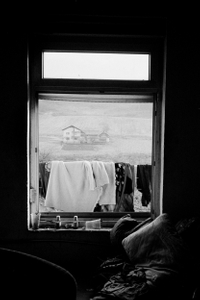
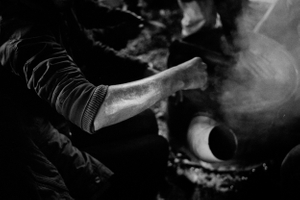
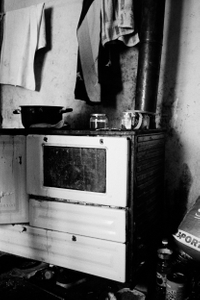
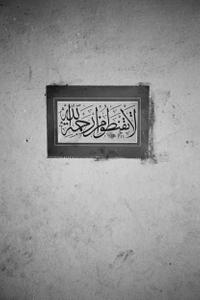
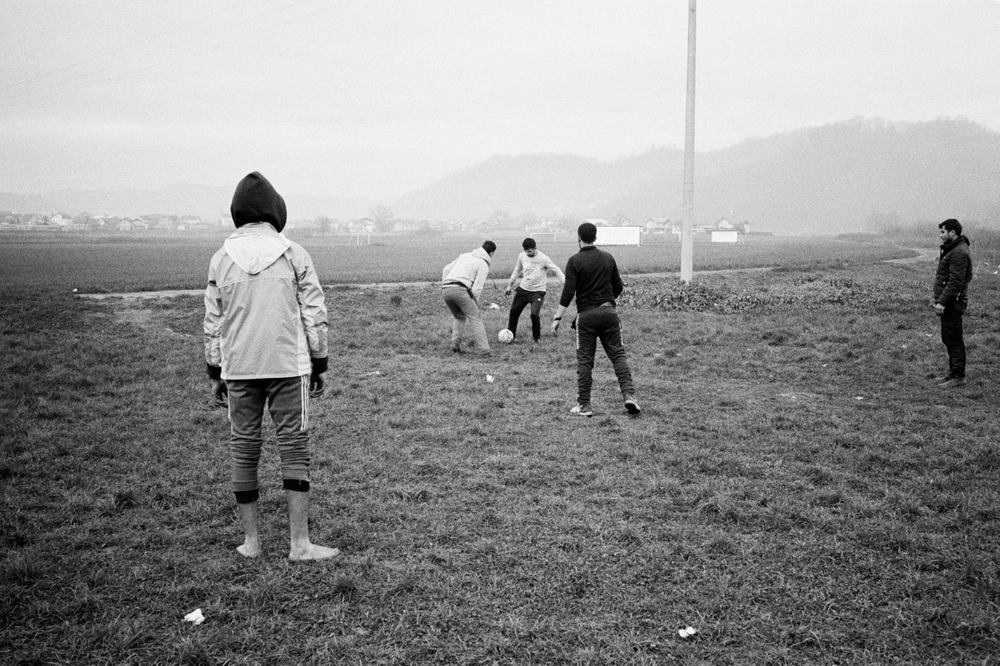
Velika Kladusa, in the north-eastern corner of Bosnia-Herzegovina, is one of several migration hot spots on the border of the EU. Large numbers of refugees are stranded here, hoping to eventually make it over the border and claim asylum in the EU. The official refugee camps are long since overcrowded and no longer accept people. Thus, hundreds live in squalid conditions, in abandoned and unfinished buildings, old factories littered with industrial and residential trash, or in sleeping bags and old tents in the woods. I've spent time there, helping out a small NGO, and tried to understand and document. Most images covering this topic in the news feature graphic depictions of the human suffering and the shocking nature of the situation. While this is undoubtedly part of the reality, and therefore also part of this series, I've come to realize that these images do not do the situation justice. One main goal of the NGO I worked with is to enable some normality and escape from the daily grind to survive. Be it a shared meal, a game of football, or simply listening, talking and dreaming together. It is in those moments where, perhaps, the heaviest toll this situation takes on the refugees can be found. They left their homes with a dream, a hope, and out of desperation. Often the expectation from their families for them to make it and be able to provide an income is high. So is their pride and the wish to succeed. But here, on the border to the EU, these dreams are on hold, time seemingly standing still.
No categories selected
Photos (9)