Dusk in my Backyard
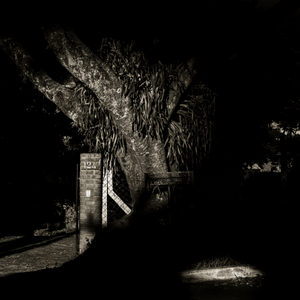
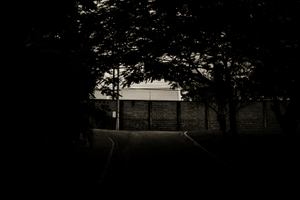
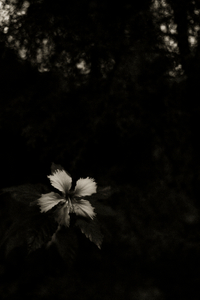
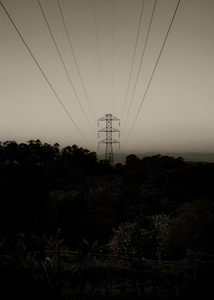
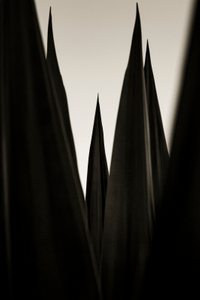
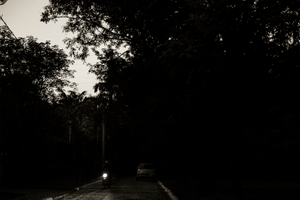
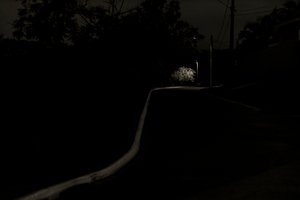
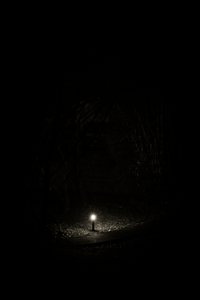
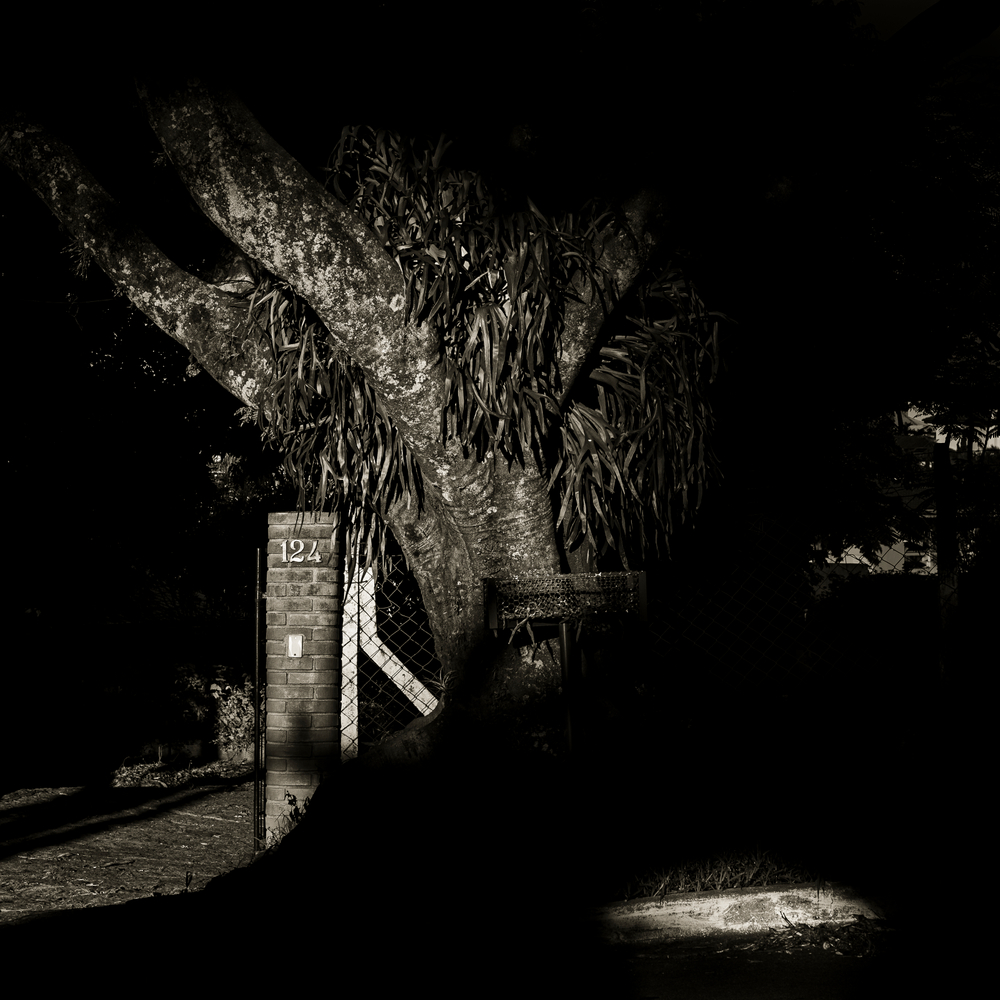
Around June 2019, I started photographing my backyard at dusk. Such subject interested me for the possibility of working with the limits of natural light; also, it was something that would fit easily in my daily routine. Mixing a very personal obsession (the limit of low light in photography), with a very objective issue (having available time for experimenting). At the end of the day, the light goes from the so-called Golden Hour to complete absence of light. Therefore, every time I went out for photographing, I knew that if I was not late, I had some minutes of the most magnificent light that actually, was just starting to decay. So every time I went out for shooting my backyard (that later was expanded to a few blocks around my neighborhood), I was actually dealing with an agonizing light, but I had the chance to experience it again on the next day. For the dusk is actually a daily event, I was able to mourn the dying light everyday knowing that, once the cycle (24hours) is complete, that event would just take place again. On a broader sense, I related this daily cycle to a much larger cycle that is the time of History. Somehow, the issues we are all dealing - pollution, global warming, economy inequality, the uprising of the far-right parties and movements worldwide - seem to me that we are living the dusk of an historical night. That is, we are marching to another dark period of the human history, just as the World War II, for instance. We are no longer seeing clearly the whole picture. Many elements that used to be sparklingly clear are now hazy. We are seeing very strong contrast in political, cultural and social matters. Soon, as the light is completely out, we no longer will be able to see at all. In the photographs I presented in this series, I have tried to depict these contrasts of light and shadow, how the relation between them reveal and conceal in the whole frame.
No categories selected
Photos (10)