Differences & Repetitions
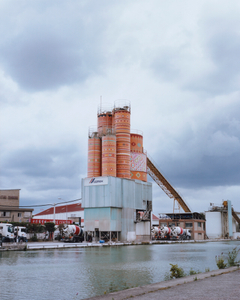
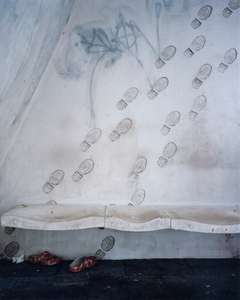
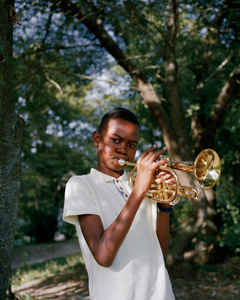
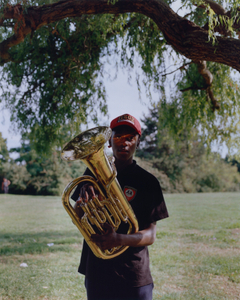
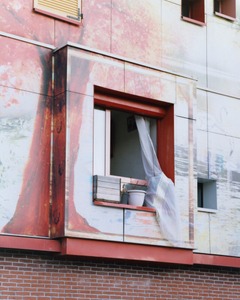
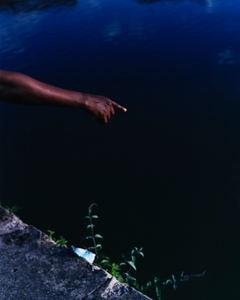
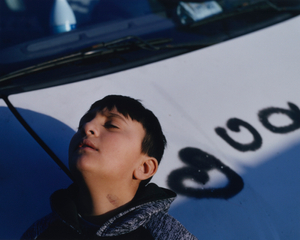
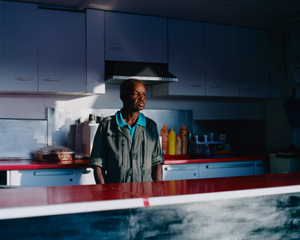
Established in 1968 for the purpose of fragmenting the Île-de-France’s “red belt,” the Seine-Saint-Denis department was formed in a way that simultaneously attached it to and isolated it from Paris. In opposition to the concomitant capital’s immutable heritage, the area asserted its own identity through its heterogeneity, the plurality of its voices, and the radicalness of its mutations. Former vast agricultural plains that have become the most extensive industrial area in Europe, it is now suffering from its early urbanization. The most cosmopolitan department, but also the poorest in mainland France, it is also one of the youngest. As the 2024 Olympic Games loom, of which the Seine-Saint-Denis is one of the biggest beneficiaries, an army of cranes are working the ground just as much to build a shiny future as to bury an annoying present, it is an entire territory which makes its strata appear to our eyes. Agricultural and industrial, natural and urban, poor and opulent, all these asynchronous layers make up a complex landscape, both spatial and temporal, crossed by a constant balance of power. That opposing the morbid repetition of the identical, of the established order and to re-establish, and the vigorous repetition of the difference, that of the life that disappears and springs again. Here, the latter has never seemed so beautiful. But it has also, unfortunately, never seem so fragile.
No categories selected
Photos (10)