
Convergence
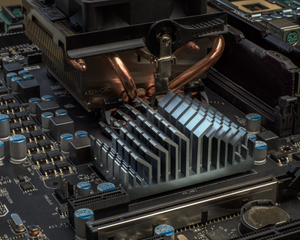
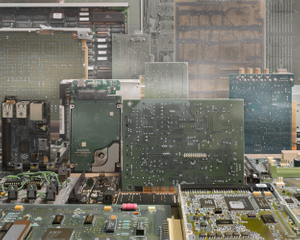
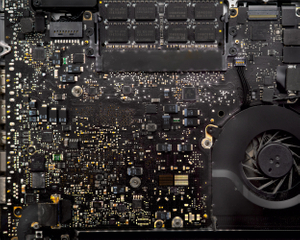
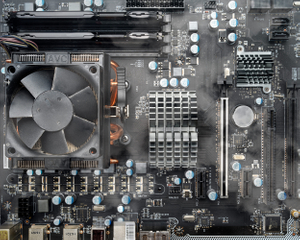
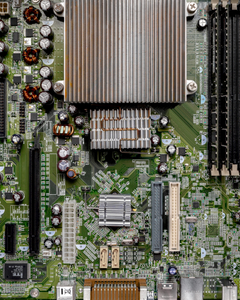
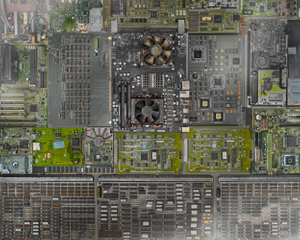
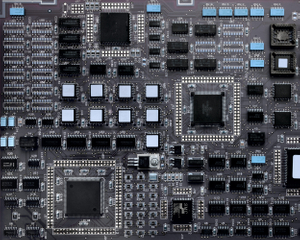
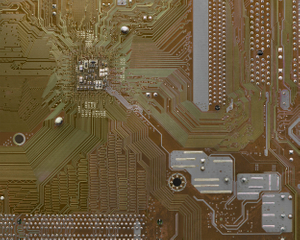
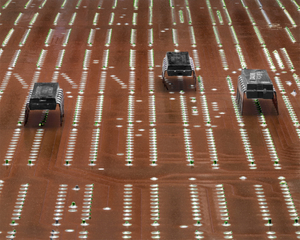
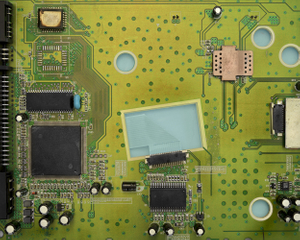
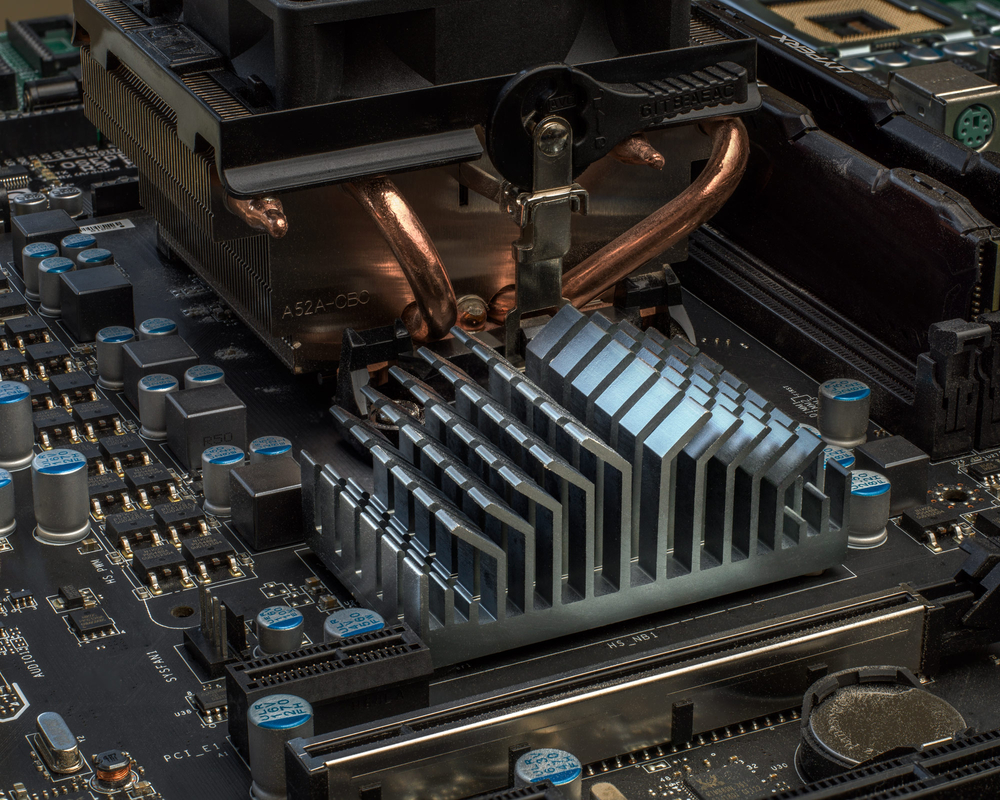
My photography explores the impact of science and technology on the human experience. While new technology often contributes to the betterment of society, sometimes there’s a dark side to how it's used. For example, fake news, identity theft, invasion of privacy and cyber-attacks seem to be an unintended consequence of the Internet and artificial intelligence. For my series, Convergence, I photographed printed circuit boards and then altered the images in post to explore this paradox. In particular, my images mimic our increasingly virtual world and challenge our perception of what is real. My inspiration flows not only from my interest in science and technology, but also from my personal experience with mental illness. Up to a few years ago, I was having a very successful career in high-tech until I was diagnosed with stress-related anxiety. My company told me to get short-term disability, but my insurance company denied my claim. I was stuck in an endless loop while my debts mounted. The financial stress, and my diminishing sense of self-worth, made my condition worse. Soon I became obsessed with the human mind and artificial intelligence. After watching a TED talk hosted by a neuroscientist and a surgeon explaining that the brain is like a biological supercomputer, I started to wonder: if my brain is a computer, then how do I know that I'm real? I began to lose my sense of reality. Ultimately, thanks to the love and support I received from my family and friends I recovered from my illness, and talking about my experience eases the pain and embarrassment I still feel. My photography provides me with a creative outlet that grounds me to the present. This series of images provides me with an opportunity to tell my story. My message is that it’s normal to experience mental illness (i.e., similar to a physical illness) and that we shouldn't feel ashamed of it. Moreover, talking openly about it reduces the stigma and helps to enable recovery.
No categories selected
Photos (10)