
General Entry - Emerging Talent Awards
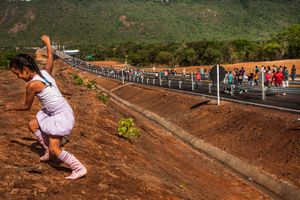
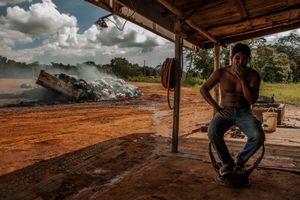
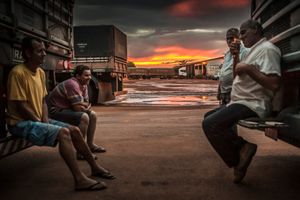
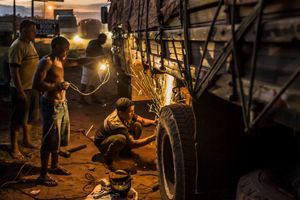
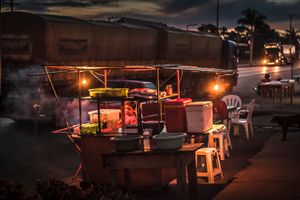
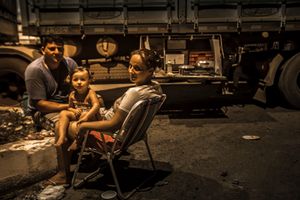
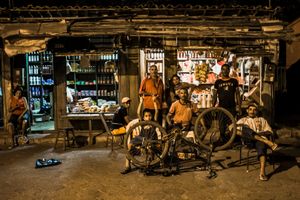
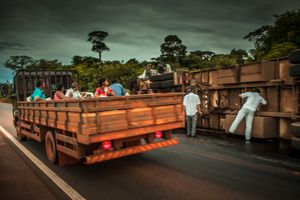
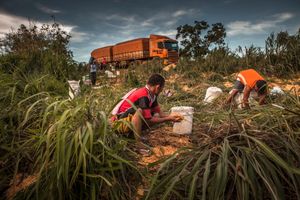
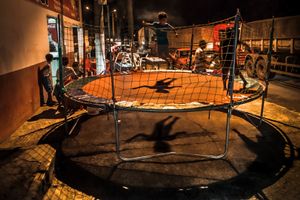
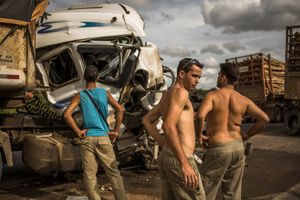
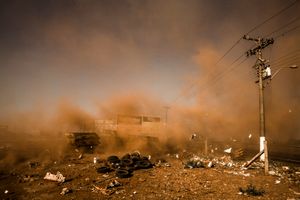
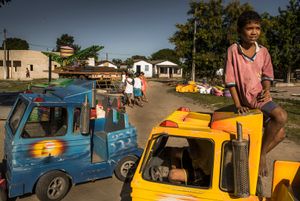
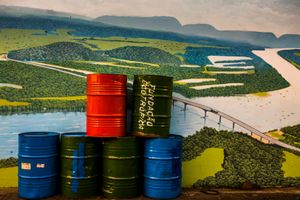
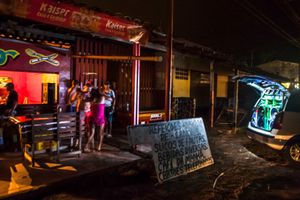
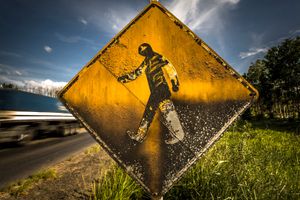
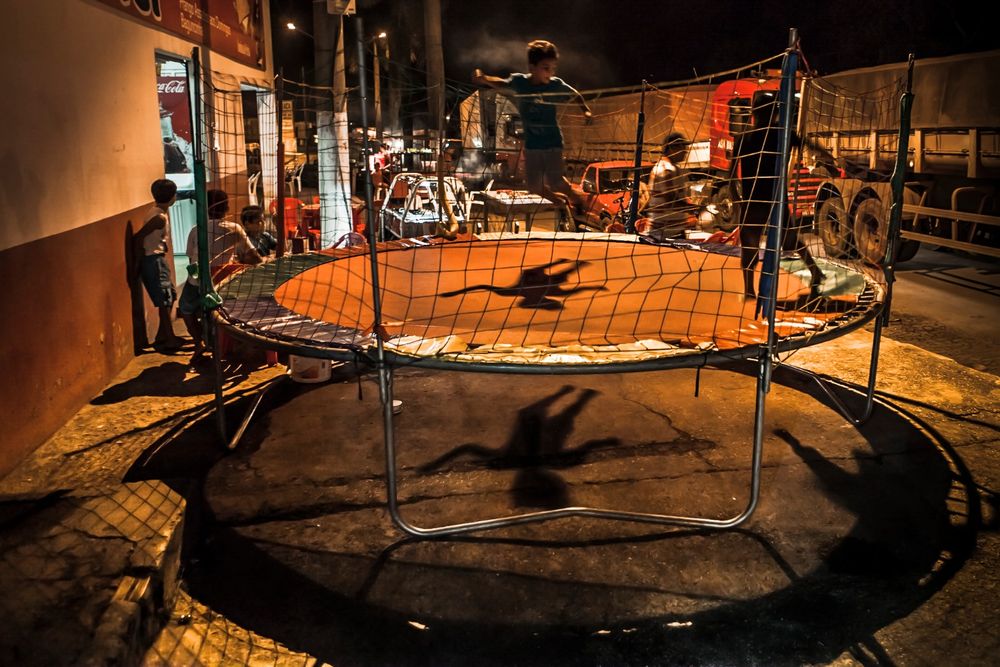
TRANSBRASILIANAS The social universe of Brazil’s highways Brazil, a colonial country with its interests focused on the colonizer, was built turning its eyes – and its territorial occupation – outwards, abroad, beyond the sea. Since 1500, its main cities have been established on the coast. At the beginning of the 1940s, practically all 43 million inhabitants were concentrated on the coast and looked on the interior of their own country as something exotic. The region was no more than a vast, unexplored shaded area in Brazilian geography. Later, in the 1960s, President Juscelino Kubitchek consolidated the movement to the backlands by transferring the country’s capital the center of the country. The fundamental instrument that allowed for such phenomenal territorial occupation was the building of a network of highways that would connect the country. Successive governments kept the construction of new routes at the top of their strategic priority list, whether to define new frontiers of occupation in the name of national sovereignty, or to open new fronts of economic exploration. After all, these highways are the main connecting links between communities and serve as supply arteries and production transportation channels. They synthesize the duel between the new agricultural and environmental frontiers, as well as the rich social universe that lives and depends on them for its survival. Transbrasilianas is an immersion into the depths of Brazil. It shows, through Brazilian highways and the people who live around them, a picture, in some ways disconcerting, of a reality often forgotten by the greater public. It speaks, in the end, of the complexity of the life of this important section of Brazilian society, their challenges, paradigms and the uncertain paths that point to the future.
No categories selected
Photos (30)