Borderline
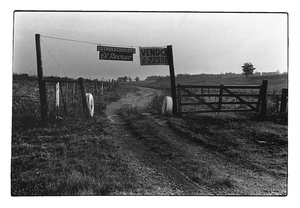
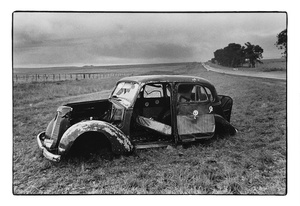
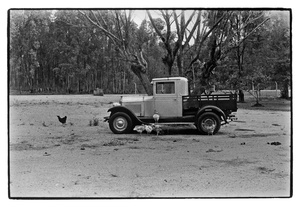
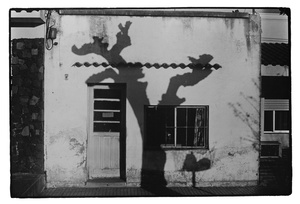
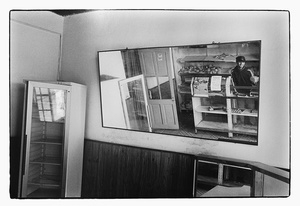
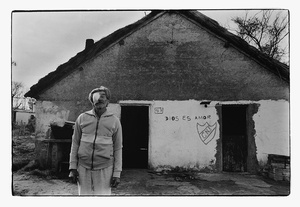
Borderline The border between Uruguay and Brazil – its large horizon, silents fields, sporadic cattle, falling homes and villages frozen in the time – portray a agonizing economic model: the cattleman agricultural estate. That is the scenario of a history that has been exuberante enough to give to Uruguay the appellative of Latin-American- Switzerland. At every curve of the road across the open fields, arise signs of the nacional soul and cultural, geographic and economic closeness with the extreme South of Brazil. The present essay, developed in the winter of 2003, portrays that nebulous territory, where each country is the mirror of the other, melting a unique motherland, which the lines of the maps cannot divide. Only the photographic instinct and the thematic focus guided the 1000 kilometers covered, without any script. The documentary way has been traced remembering Antonio Machado’s poem: “Traveler, there is no path. The path is made by walking”. Fronteira A fronteira do Uruguai com o Brasil– com seu horizonte largo, campos silenciosos, gado rarefeito, casas em ruínas e povoados congelados no tempo – retrata um modelo econômico agonizante: o latifúndio pecuário. Este é o cenário de uma história que já foi exuberante ao ponto de render ao Uruguai o título de Suíça Latino-americana. Pelos descampados, surgem, a cada curva da estrada, os signos da alma nacional e da sua identidade cultural, geográfica e econômica com o extremo sul do Brasil. O presente ensaio, desenvolvido durante o inverno de 2003, retrata este território nebuloso, onde os dois países se refletem um no outro, fundindo-se em uma única pátria indivisível pelas linhas dos mapas. Nenhum roteiro guiou os 1000 km percorridos, além do instinto fotográfico e o foco temático. Foi um caminho documental traçado como ensina o poema de Antonio Machado: "Caminhante não há caminho, faz-se o caminho ao andar"
No categories selected
Photos (16)