Walk Away Slowly
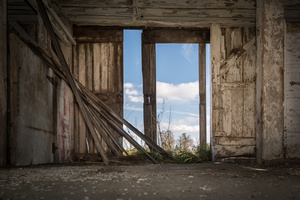
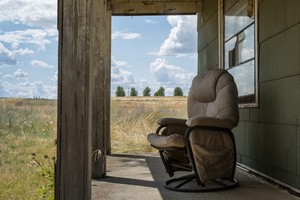
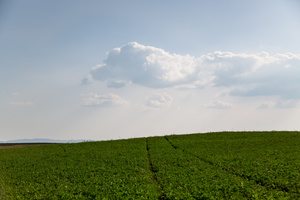
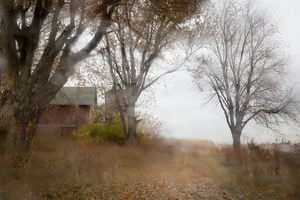
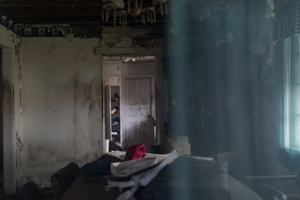
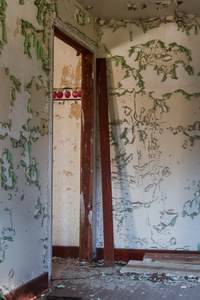
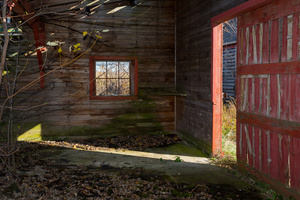
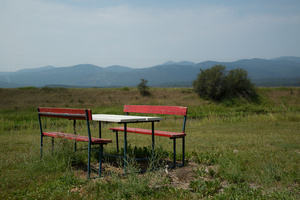
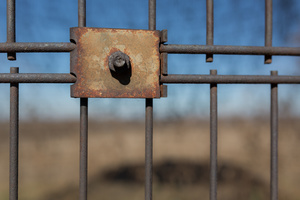
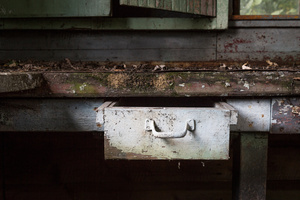
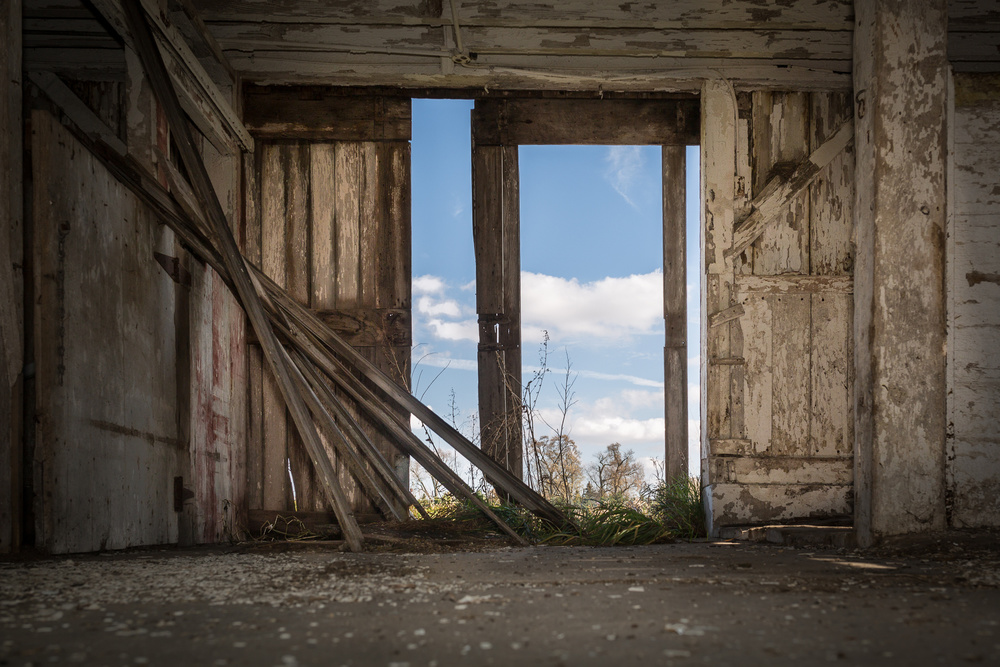
I photograph places and things from which people walked away. Though ordinary, I find them extraordinary. I try to understand why they were rejected; why they were left behind. I grew up in a small Michigan city, surrounded by Lake Michigan’s shore and wide-open farm country. Often left to myself, I explored the woods adjacent to our home. Toting a bag of books, I retreated into forts built with scavenged lumber and fictitious worlds where ugly ducklings were superheroes. With a drivers’ license, my horizons expanded and I searched the countryside for ordinary things whose appeal eclipsed the manicured perfection of my parents’ world. Country roads. Open fields. Forgotten places. I made the pictures in Walk Away Slowly in places that resemble the back roads I explored as a child. While there are no people in the images, in each scene I felt a human presence or, perhaps, a human absence. Despite practical purpose and haunting beauty, someone had walked away. A favorite chair still sits on the porch of an abandoned home. In a lean-to vacated a decade ago, a workbench drawer remains open. Reaching back to the fiction I read as I teen, in making these images I wove tales that explained why these things were left behind.
No categories selected
Photos (10)