Number 182
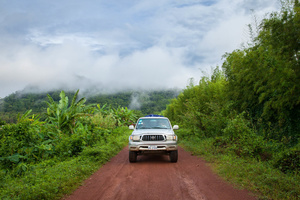
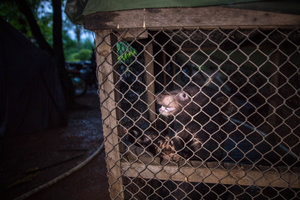
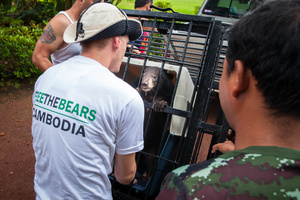
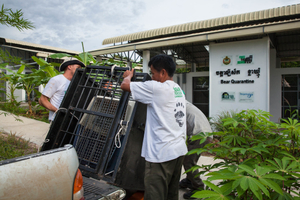
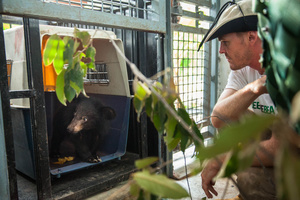
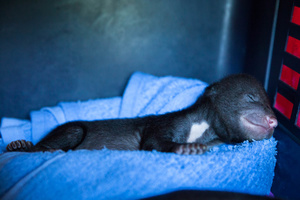
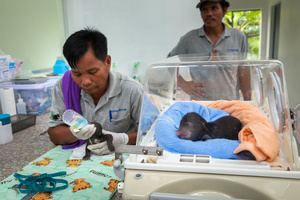
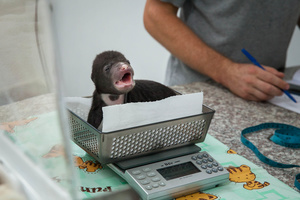
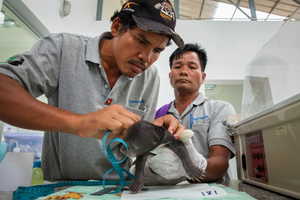
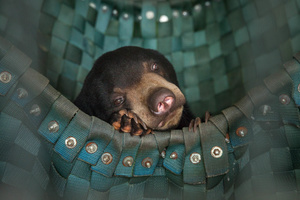
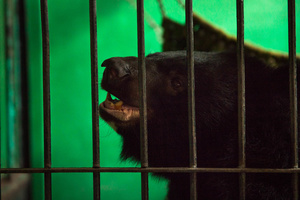
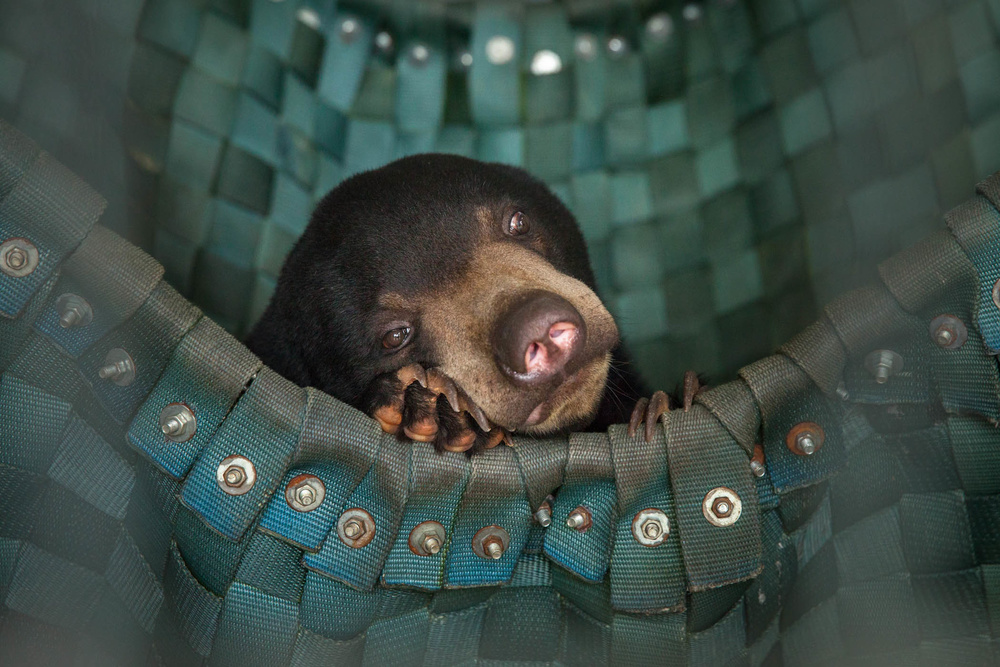
His name refers to the tags that are used to identify new arrivals at Free The Bears’ quarantine centre at Phnom Tamao Wildlife Rescue Centre outside Phnom Penh. Since the rescued bears often arrive in poor health, it’s no surprise that they’re not given a name until the centre feels confident they will survive. “We recently had one bear arrive in such bad condition that it died as soon as we moved it from the crate and onto the operating table -- even though we had five emergency vets there”, says Nev Broadis the regional director at Free the Bears. Since its creation in 1997, this Australian non-profit has taken care of over 180 bears, which have been rescued from homes, factories, and, in some cases, vehicles on their way to being trafficked out of the country. Bears are widely trafficked for their bile, which is used in traditional Asian medicine, as well as for their body parts, in particular their paws, which are considered a delicacy in China. It is estimated that over 13,000 bears are kept in captivity in so-called bile farms across Asia, a practice that has been branded one of the cruellest imaginable. On September 2014, Broadis received yet another rescue call. A five-month-old moon bear cub had been rescued in Samlaut district in the western province of Battambang, some 400 kilometres west of Phnom Penh. With no time to lose, Broadis mobilised his team to pick up the cub that became tagged as bear rescue number 182. Despite evident stress, malnourishment and an injured paw – possibly the result of being caught in a snare – bear rescue number 182 seemed to be in good health. Upon his arrival at Free The Bears’ quarantine centre, the cub spent a few weeks recovering and adapting to his new environment, while receiving regular health check-ups. “We’ve put some branches in there and he’s got a hammock and he’s got two guys who are going to look after him, so he’ll be fine,” says Broadis, peering into the enclosure where the bear was snoozing. “The future’s looking bright for this little cub.”
No categories selected
Photos (13)