Abstract
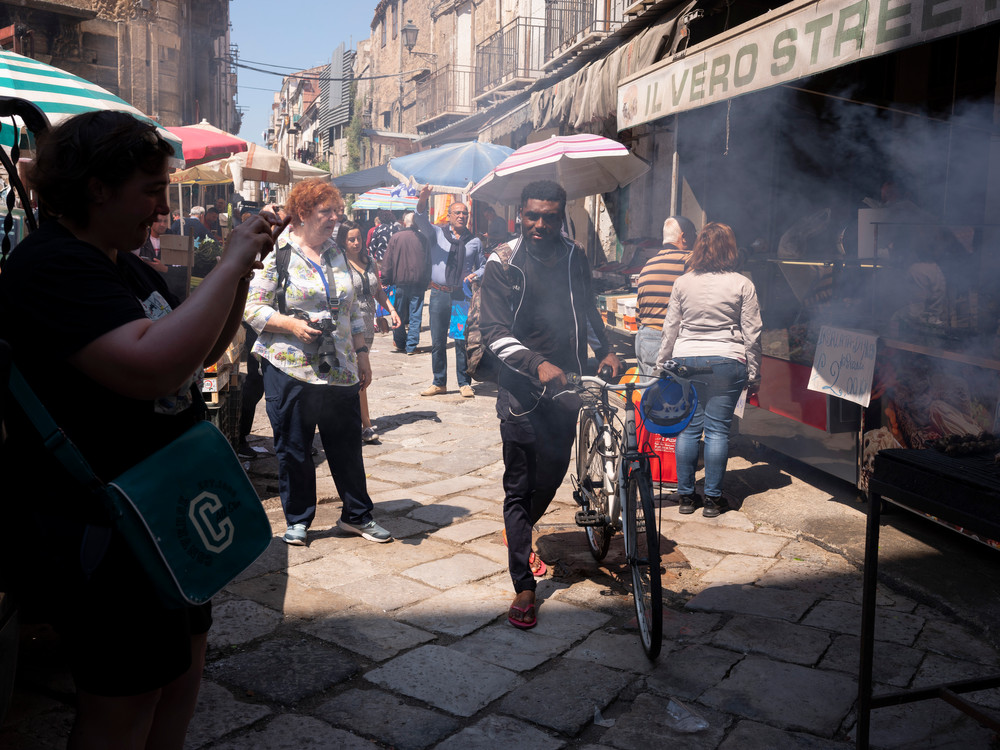
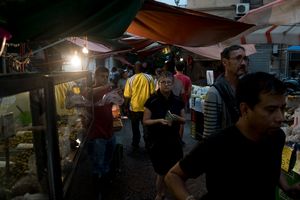
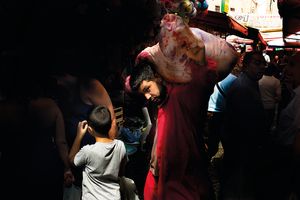
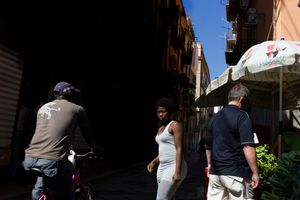
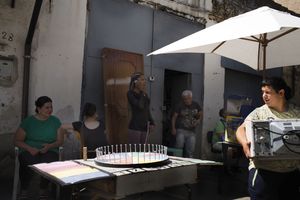
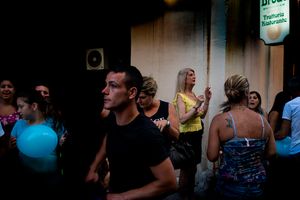
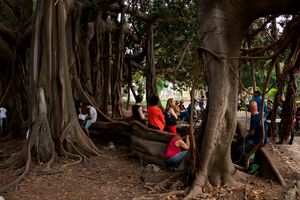
This practice-led research project comprises a body of photographs taken in the historic centre of Palermo, capital city of the island of Sicily, together with a contextual essay. Taken over five years using handheld cameras, the images comprise an extended picture essay, the main output of which is a book.
That book’s visual narrative is driven by what is identified as the baroque nature of the Palermo environment. As cultural artefact and living city, Palermo incorporates the three tropes of baroque culture identified by the cultural critic Walter Benjamin (1892–1940) and philosopher Christine Buci-Glucksmann, namely the Labyrinth, the Ruin, and the Archive. This research project investigates the idea that, in this location, the Baroque is not merely a quality pertaining to the history of art or architecture but also an operative force, both within memory and within the present-day workings of the city and its population.
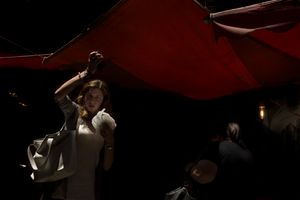
Palermo, as a baroque space, is approached as non-linear, multi-faceted, and folded. These qualities are interrogated through photography, informed by local and regional histories, street photography, the paintings of Caravaggio (1571–1610), and contemporary reflections on the Baroque, particularly in the work of philosopher Giles Deleuze (1925–1995). these influences are brought together in the photographs to re-conceptualise street photography as contemporary baroque practice.