
Sand Dunes
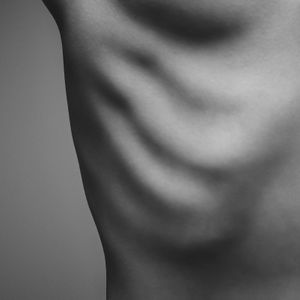
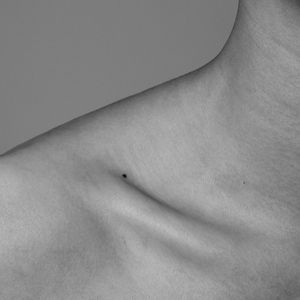
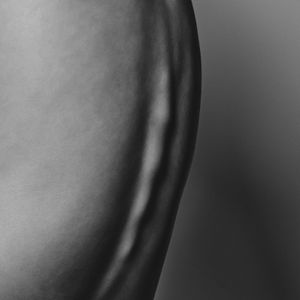
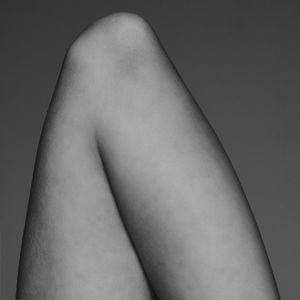
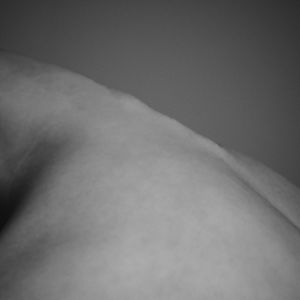
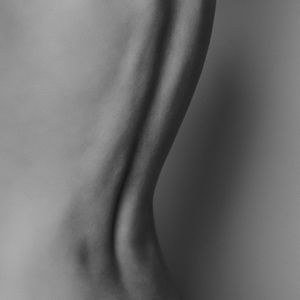
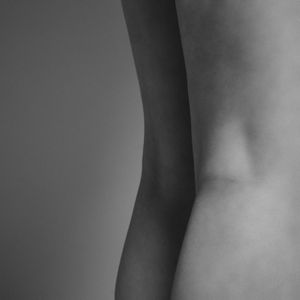
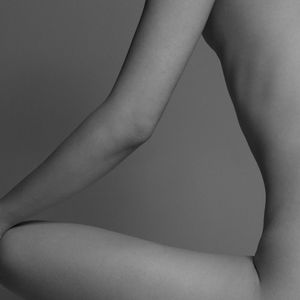
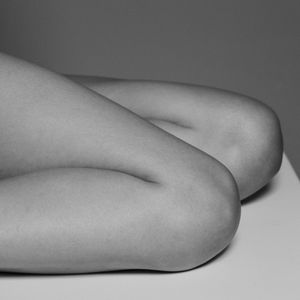
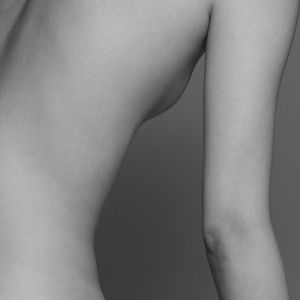
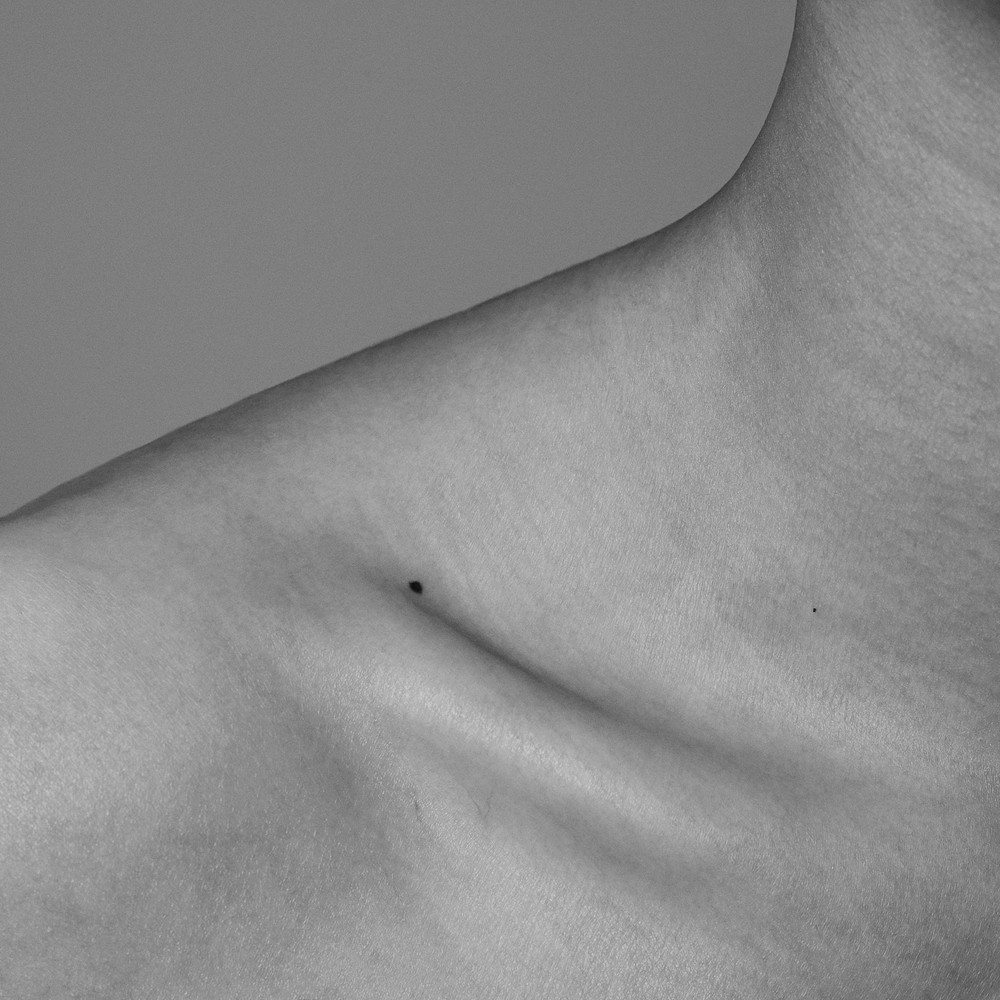
Sand Dunes approaches the human body not as a subject placed within a landscape, but as one. Photographed in the studio under directional light, the figure yields a topography — a slope of shoulder, a ridge along the spine, a shadowed valley where a limb folds toward the torso. The images refuse to resolve into either body or terrain; they hold both at once. The series rests on a quieter proposition than illusion. It asks whether the distinction between interior and exterior landscape is as settled as we assume — whether the geographies we walk across and the ones we inhabit as flesh share a common grammar of curve, weight, and shadow. Light here is not descriptive but geological: it carves, it weathers, it deposits. Shot in black and white to strip the body of its familiar signals — skin tone, identity, eroticism — each frame becomes a fragment of a possible land. What remains is slower, closer to sediment than to portrait: a body seen the way one might look at a dune at first light, before naming has begun.
Photos (10)