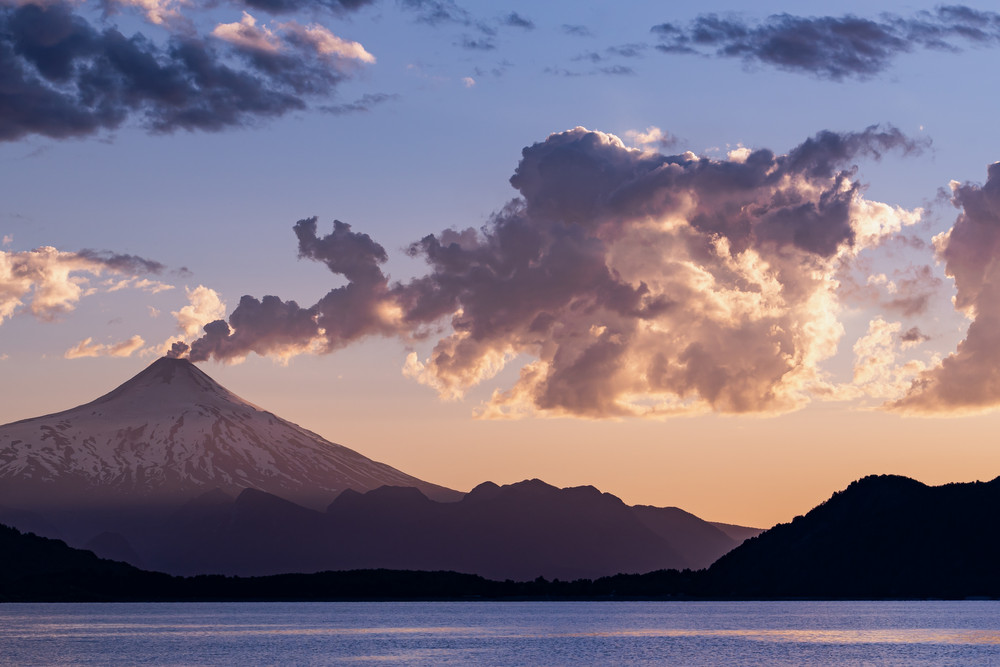

36 Views of Villarrica Volcano
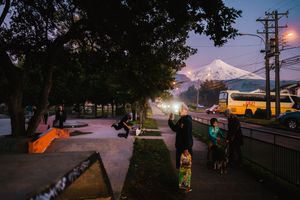
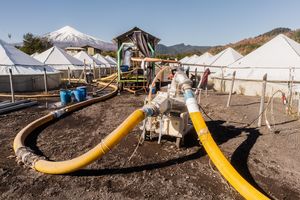
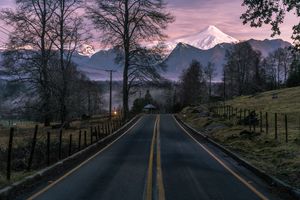
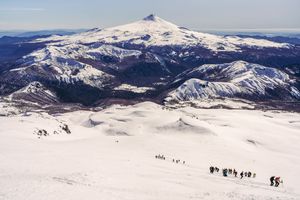
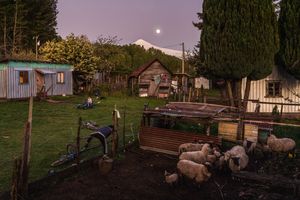
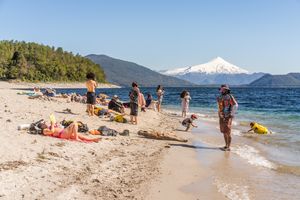
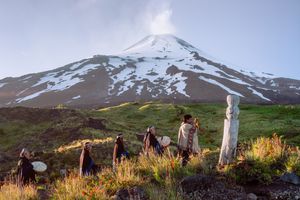
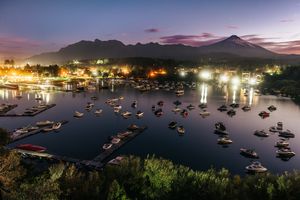
Villarrica volcano has an active lava lake and is one of the few in the world frequently emitting incandescent particles. Located in the south of Chile, in the Araucanía Region, its surroundings were for centuries inhabited by native nations organized into small autonomous groups. When the Chilean state occupied the territory in 1883, the area entered an accelerated transformation process. If at first it was logging and the border crossing route to Argentina that raised people’s interest, later it was its natural beauty and the associated tourism that stimulated the economic development of the area. Today, the Villarrica volcano overlooks a diverse human geography, with peasants, conservationists, athletes, businesspeople, real estate investors, service providers, natives and tourists. The sharp increase in population, along with the damage caused by industrial activity such as salmon farming and forestry, have caused serious problems: water pollution and biodiversity loss. 36 Views of Villarrica Volcano is a series of landscape photographs that portray everyday scenes in which Villarrica volcano can be seen. The project is inspired by the famous series of woodcut prints 36 Views of Mount Fuji, created by the Japanese Katsushika Hokusai between 1830 and 1832. His engravings capture fleeting moments that passed before Mount Fuji, forming a memory of simple events where people’s relationship with time – the transitory condition of life – is the main subject. The diversity of inhabitants of the Villarrica territory manifests itself in the different paradigms that model people’s approach to the landscape. The paradigm of economic growth undoubtedly prevails, but there is an ongoing confrontation between them, which results in a lack of the dialogue, public policies and personal habits necessary to address the current environmental problems. 36 Views of Villarrica Volcano represents a multitude of perspectives that, even as they oppose each other, all converge on the also called Quitralpillán: the “spirit of fire”.
No categories selected
Photos (10)