Ceaucescu’s Legacy Copsa Mica, Romania 1989
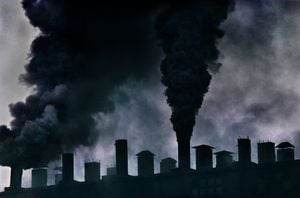
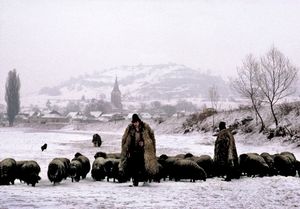
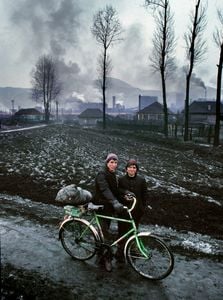
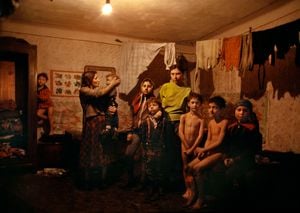
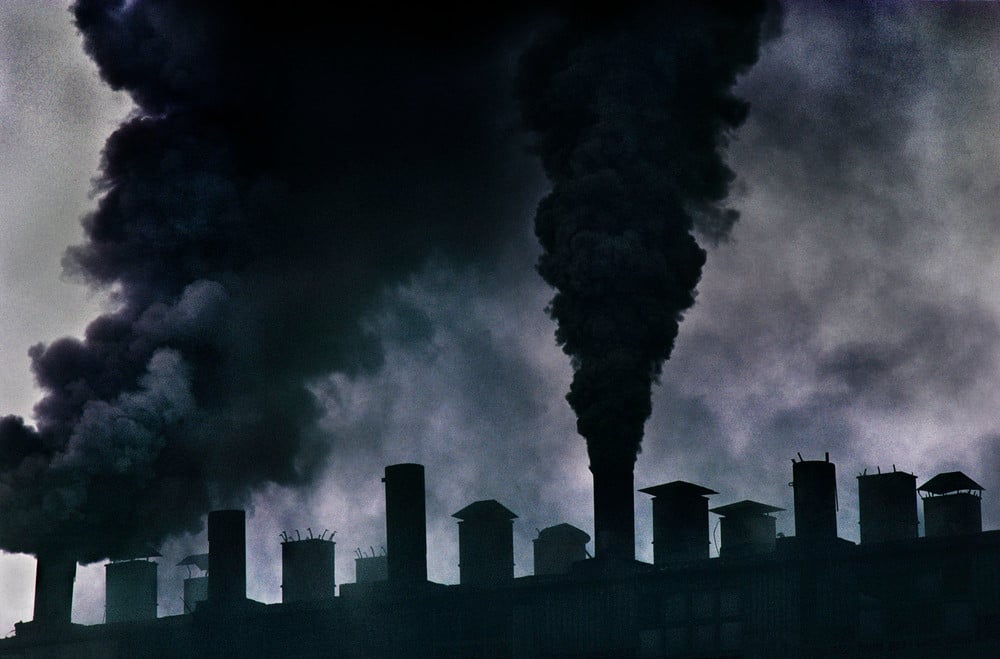
I first visited Romania in the autumn of 1989, working on a story for the Sunday Times Magazine documenting Ceausescu’s 1988 plan “systematizing” the rural areas. A few months later I watched the revolution unfold on the TV culminating in the death of Ceausescu and his wife on Christmas day, 1989. I was approached by Life Magazine to return and arrived in an ice-locked Bucharest on January 6th, to photograph and document the difficult birth of a new country. I returned to a small town in the Transylvanian countryside, called Copșa Mică, the most polluted place in Europe using the chaos left the secret police, had run away. Copșa Mică had factories, one smelted zinc and lead, the other made carbosin (carbon black) by burning kerosene. Soot from Carbosin encased Copșa Mică in a black covering, while the metals suffused the air, water and soil, leading to serious health effects on surrounding residents, vegetation and wildlife. From 1983 to 1993, some 2000 people were hospitalised due to lead-induced anaemia or severe lung and stomach pains. My essay won the Oscar Barnac medal in 1991 and as a result, through Life Magazine donations, raised €30,000 towards a slow recovery.
No categories selected
Photos (6)