The Ahuehuete was designated the National Tree of Mexico in 1921, the evergreen Ahuehuete tree has a complex linguistic background. Ahuehuete or Montezuma bald cypress, is called Ahuehetl in náhuatl. It also has numerous common names associated with the indigenous language of the particular area where it is growing; in Oaxaca it is known as Tnuyucu in Mixteca and in Zapotec as Yagaguichiciña. The Spaniards named the tree Sabino as it resembled a pine from their country.
The Ahuehuete has come to us in multiples, it is the container of hybrid identities that are contextually determined. Its roots might grow deep and its trunk thick but its identity remains fluid. It is the fluidity or instability of the post-colonial space where nothing is as simple as a single pronoun, rather forces and situations determine the ongoing exercise of naming; the constant performance of identity. On a symbolic level the Ahuehuete steps in to be one thing to the Aztecs, another to the Spaniards and yet something else to Mexico – its national symbol. And in one of its latest manifestations it has replaced the 100 year old palm at the Glorieta de la Palma in México City, where it has fallen into the difficult role of representing thousands of missing Mexicans.
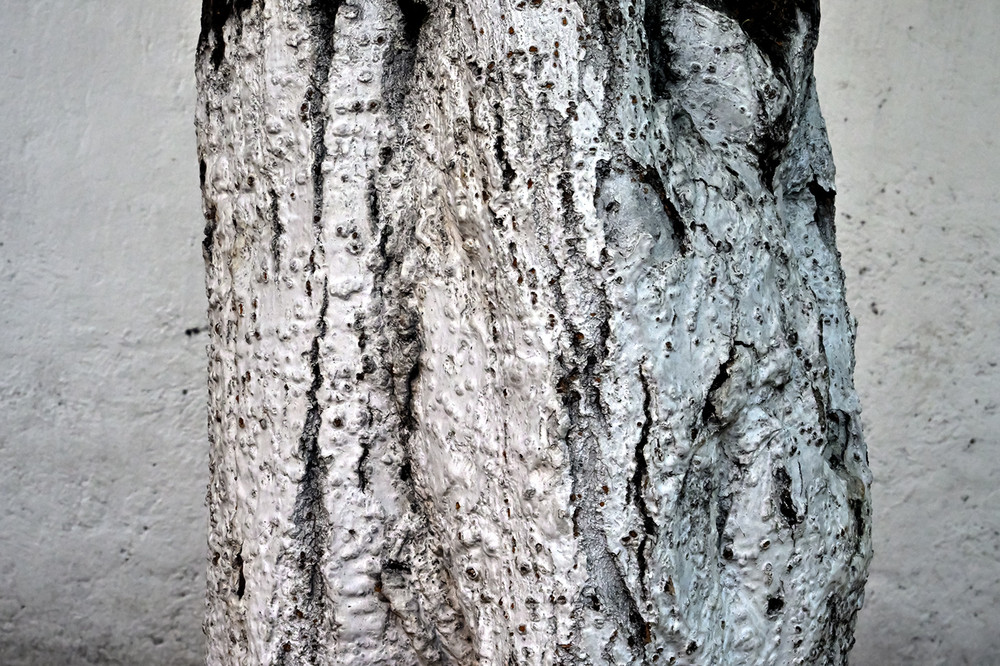
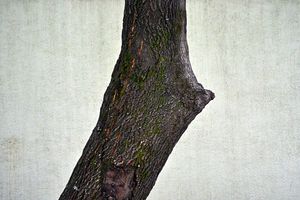
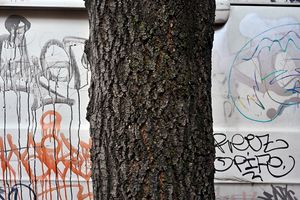
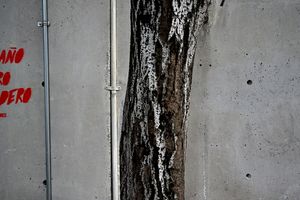
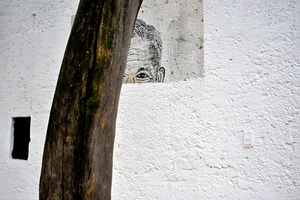
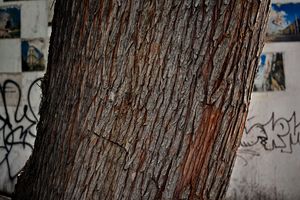
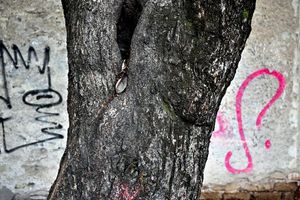
In search of an Ahuehuete, this photographer comes with a history of negotiating new names with new numbers in new passports. At one point I had none, illegal/undocumented; now I have three - documented. There is nothing linear nor stable about identity and these passports, as necessary as they are; they add up to only half-truths, helpful anchors. Like all trees the Ahuehuete stands there, rooted as witness while we humans wander about, some of us in search of answers that we hope photography will reveal, only to see that each photograph shows us everything there is to see but is mute regarding what it might evoke. It is us who must read each image determining its message/s. I documented these fragments of Mexico city tree trunks in relation to their specific backgrounds as possible “ahuehuetes,” symbols and witnesses to the transient life around them.