Adoptee Traces
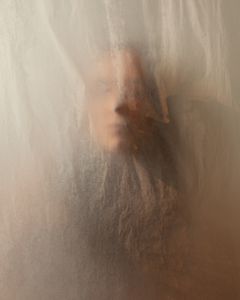
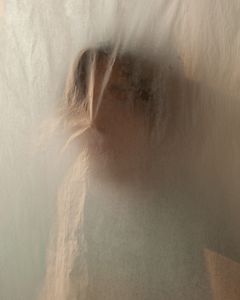
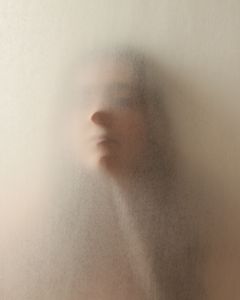
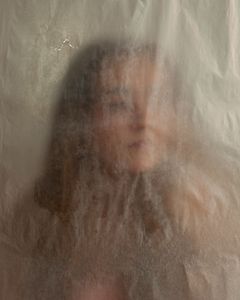
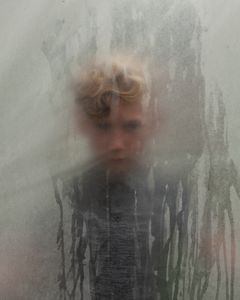
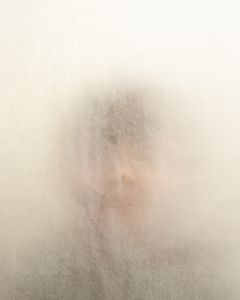
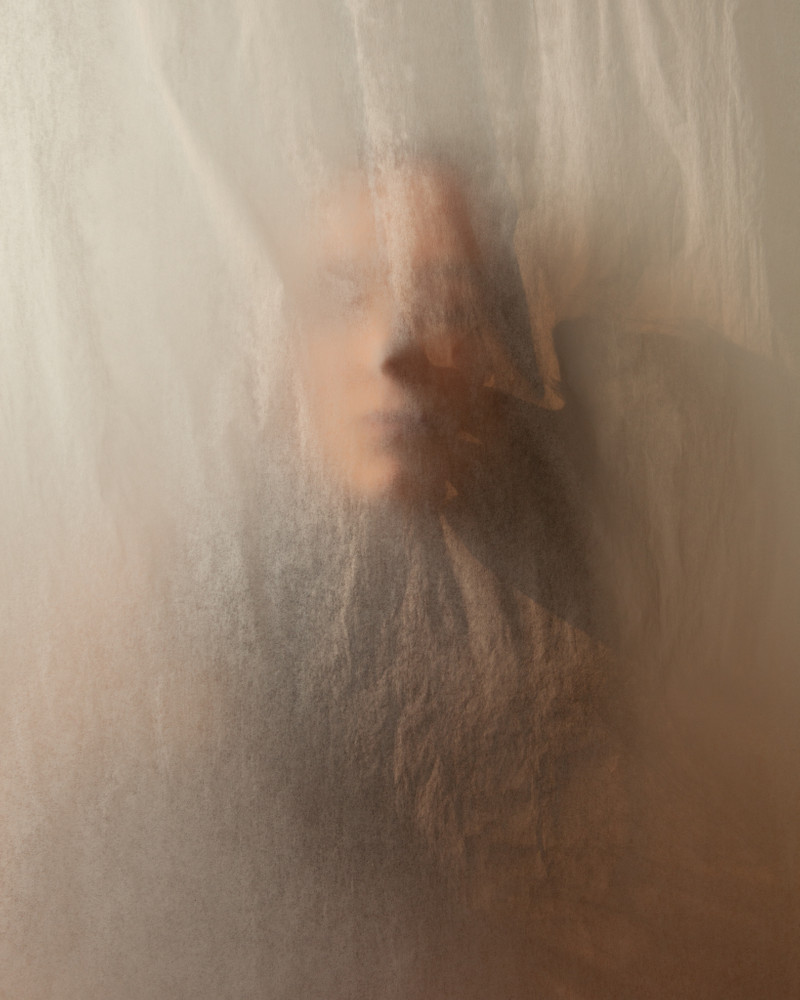
Artist Statement: "Adoptee Traces" "Adoptee Traces" delves into the profound personal journey of identity, belonging, and visual self-discovery through the lens of an adoptee. I was adopted just five days after birth, and I never questioned where I belonged. My adoptive parents were always my parents; they were my home. Yet, when I became a parent myself at forty-five, I encountered an unexpected and surreal moment: despite my intellectual understanding of the genetic connection, I couldn't mentally picture any physical resemblance between myself and my twins. Despite the undeniable fact they shared my DNA, I struggled to recognize any visual trace of myself in their features. This mental block was the catalyst for this project—an attempt to understand and communicate the feeling of searching for connection and identity. The focus of "Adoptee Traces" is on that very struggle—the challenge of seeing visual similarities between myself and my children. The emotional connection was never in question, but the mental inability to see these resemblances was a profound experience. I wanted to explore whether other adoptees have experienced a similar mental block when encountering their own biological children or biological relatives after years of not having such visual connections in their lives. So far, I’ve photographed myself, my twins, and three other adoptees with their children. Each adoptee’s story is unique—one had a difficult childhood shaped by alcoholism, which drove her to search for her birth mother and briefly forming a connection; another found her birth mother, only to discover that the hoped-for bond was not there. These stories reflect the emotional nuances of adoption and the complex ways our histories, bodies, and identities intersect. "Adoptee Traces" is also a reflection on broader social and political issues, particularly the implications of reproductive rights, and the US Supreme Court's 2022 landmark ruling in Dobbs v. Jackson which overturned a woman's right to abortion established by Roe v. Wade in 1973. As an adoptee born before 1973, I find myself contemplating not just my personal experience of identity and autonomy, but also the larger discussion about the right to choose. Through conversations with other adoptees, many born around the same time, I’ve noticed that our discussions about adoption often intertwine with thoughts on personal autonomy, reproductive rights, and the complexities of how our histories, bodies, and rights intersect with political movements. While I may not be alive to see the long-term effects of Dobbs, I still firmly believe in the right to make decisions about one’s own healthcare and body. Many of the adoptees I’ve spoken to share this belief, reinforcing the importance of bodily autonomy and the complexities of choice. "Adoptee Traces" also serves as a meditation on the intersection of nature and nurture. The work grapples with how we form our sense of self—not only through the care we receive from the families who raise us, but also through the genetic lineage we inherit. The project raises questions about what it means to truly “see” ourselves in others, and whether the search for that recognition ever feels truly settled. When you finally see your own DNA reflected in your children, is that the moment when identity feels complete? Or does it, instead, open up new questions about what identity is and where it originates? In the images of "Adoptee Traces," I deliberately make it difficult to immediately recognize the similarities between myself and my children, mirroring the mental struggle I faced in trying to identify those visual connections. In some of my past work, I’ve explored how the mind processes and stores memories, visually and without liner coherence. Though in “Adoptee Taces” the use of the material is the similar, time of day, inside outside, wet or dry creates another layer to each subject, a membrane that allows one to see what they want to image and feel real. Ultimately, "Adoptee Traces" is an exploration of how adoptees and those with complex family histories experience identity. It’s a personal journey, but one that I hope resonates with others who may also struggle to see themselves reflected in the people around them. This work invites others to reflect on the ways we search for connection, and on the traces—both visible and invisible—that shape who we are.
No categories selected
Photos (6)