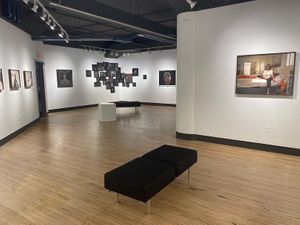
Family. Matter. 2022
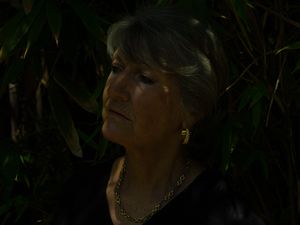
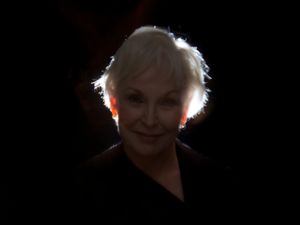
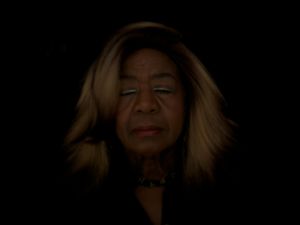
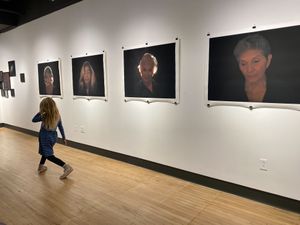
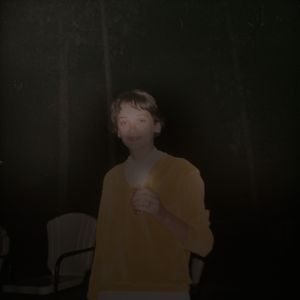
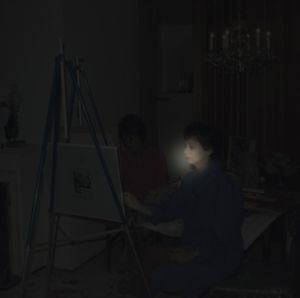
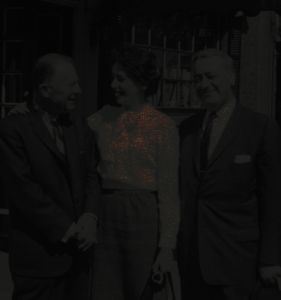
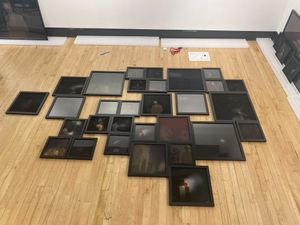
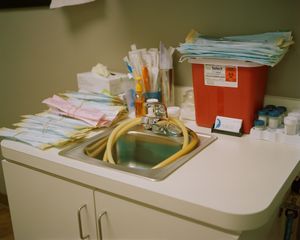
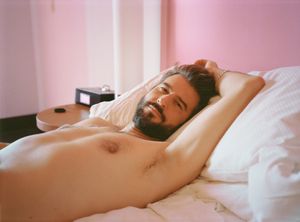
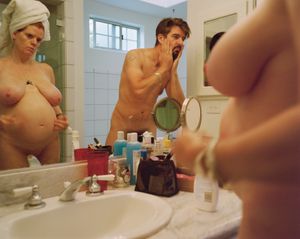
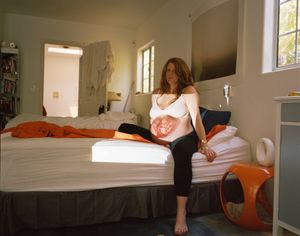
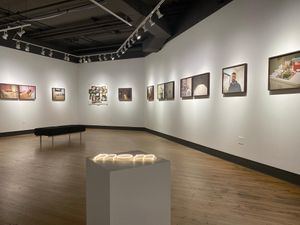
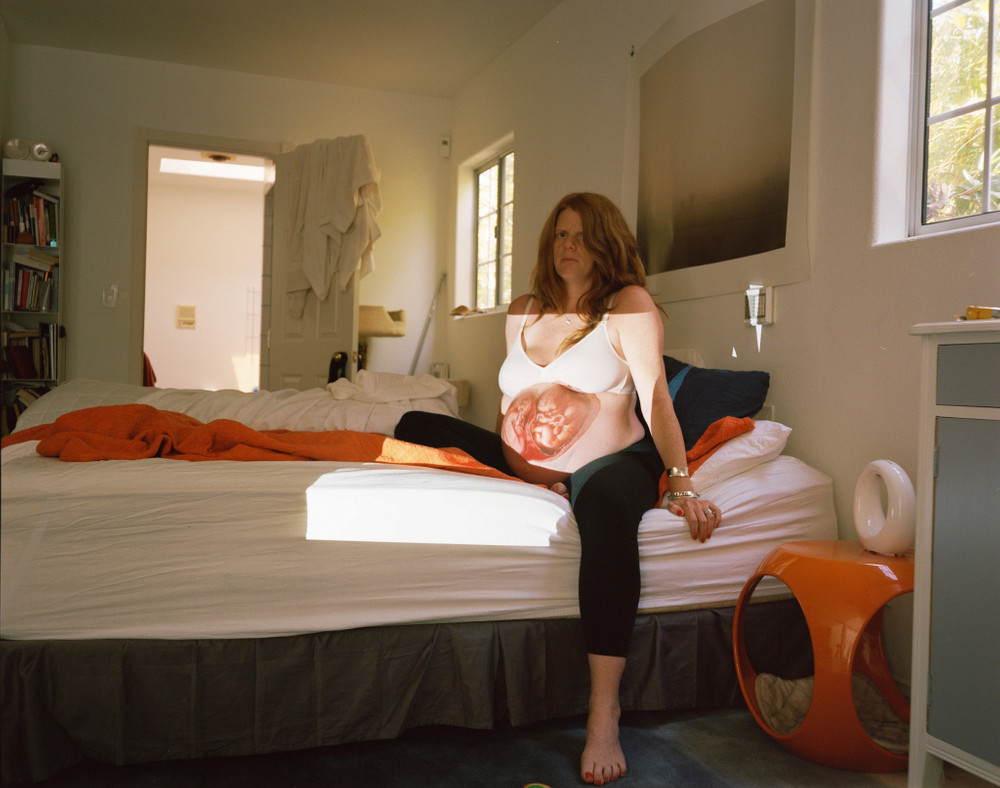
Family. Matter. Three Cycles/Chapters Darkened Snapshots- Obscured images by me with Photoshop of my parents before they became Mom and Dad, illustrating my perception of my parent's identities through their stories (in my visual head). Does everybody do this? A Work In Progress- Meditative images that document the work it took get pregnant in 2011, starting with a miscarriage-abortion that at the time was legal in all states. The Mother’s- Portraits of women aged 70-80 who continue to discover and redefine themselves through their work and craft. Darken Snapshots The day before my mother’s funeral I was looking for photographs to copy for her service. As I looked in the back of a closet, I stumbled across old snapshots of images I had never seen. These images ignited another narrative about my family that was light and airy during a time of sorrow. These were the rejects from our family album, images my parents kept private from me, from a time before I was brought into their lives. Finding these little nuggets gave us levity during a time of pain. My father, in a jock strap, my mother naked in the tub or only in a bra on the toilet: memories never shared with me. There’s something about finding intimate images of your parents that turns them into strangers. Who is that woman who looks like she had too many cocktails in the woods? They reveal an everyday history, a new identity of them before they were Mom and Dad. In light of this discovery, I began creating new images, Darken Snapshots, derived from these photos, based on my childhood perception of my parents and how I would place these visual stories in my mental cortex. The act of darkening the images creates a clouded effect on the reality of the whimsical moments presented. Some moments are then manipulated to bring attention to idiosyncratic details; whether a smile was genuine or forced questions the nature of photography’s indexical relationship to reality. How does the viewer decipher the image through the artist’s bag of tricks, distractions, and revelations? Nostalgic identification with these images brings to light the viewer’s own history. Smoke & Mirrors, a mechanism of photography itself, is integral to this project in its use of family narrative to interrogate narrative as a device. A Work In Progress When I was going in for an abortion (D&C) in 2012, I brought my camera to calm myself and distract myself from the procedure. My husband and I had been pregnant, and the fetus had died. We were at the age where we need help to get pregnant. Like many couples in todays world, we had focused on our careers until suddenly, we were on the edge of not being able to conceive. A Work in Progress is a documentation of the continuous struggle of a couple trying to create a child. The stage is not only in the doctor’s office but also in the liminal spaces of pause along the way before and After, in garages, lobbies, bedrooms, and outdoor spaces. A Work in Progress is a meditation and a calming reprieve from medical procedures and visits that create a rhythmic presence in a patient's life. This project is taken from my visual scope of myself as the patient. The camera becomes a therapeutic element, documenting instances of order that quietly verge on chaos. The oscillation between order and chaos, loneliness and partnership, and inner and outer space speaks to human experience and time. The concrete engine that instigates this body of work is the ongoing visits to medical facilities that become rituals, creating intimate waiting spaces. Although the images were taken in 2012, they found new significance when edited and exhibited at the University of Dayton in 2022. In the decade between capture and display, the landscape of reproductive rights in the United States changed dramatically. This time gap gives the work an unexpected poignancy, highlighting how quickly hard-won rights can be eroded. A Work in Progress now stands not only as a personal narrative but also as a testament to a not-so-distant past when reproductive healthcare was more accessible. It serves as a reminder of what we once had and what we stand to lose: the fundamental right to make decisions about our own bodies with the support of the medical community. The Mothers The Mothers chapter, created in 2010, comprises photos and video of six women, aged 70-80, found through a casting call posted in a free Los Angeles actors listing: “Looking to photograph women born in 1932 (78 years of age), and women born in 1938 (72 years of age). Ideally, the photographer would like to photograph the women in or around their environment. However, if the “subject” is not comfortable with this, other arrangements can be made.” Seeking to capture women who were the age my mother died and the age when I thought of this concept, I asked each woman about her history and what drew her to this casting and into acting. I was 39 years old, and honestly happy to meet these women who were still out there gpursuing their dreams. Even in 2011, women over a certain age were often cast aside (Betty White being a notable exception during this time). One request I made of each woman was to emulate my mother’s proud smile from a photograph taken at my Bat Mitzvah. In creating these images, I merged my commercial photography experience with my alternative process mindset. Using two types of lenses, film and digital cameras, and studio lighting, I created darkened images with light only hitting only certain parts of the portrait to emulate the Darkened Snapshots. I also captured video or stills of ritual-like activities such as swimming, bike riding, Tai Chi, backstage In the dressing room, and pruning lemons. The Mothers is an abstracted narrative on loss that develops a dialogue regarding motherhood, sexuality, and femininity. The project explores the collaboration between a photographer and her subject – both creative producers in this case. The collaboration allowed each woman to create alongside the photographer, while the initial direction to emulate my mother placed a protective mask over her vulnerability. The intimate relationship established in conversation between parties causes that mask to hold, lift, and shift in momentary lapses that have a relationship to light and movement, creating a performance between both photographer and subject to rekindle my relationship with my mother through women of my mother’s generation. I was exploring what documentary means.
No categories selected
Photos (15)