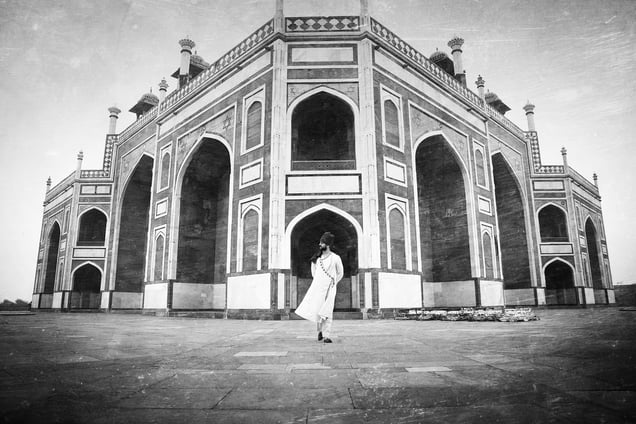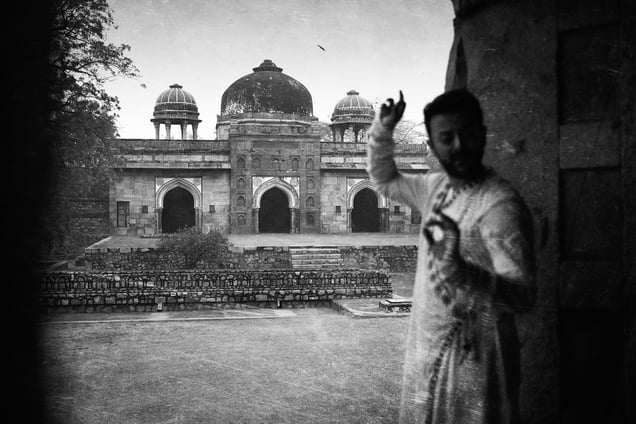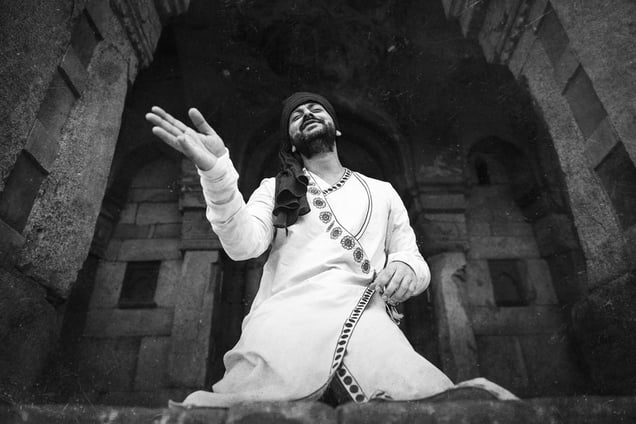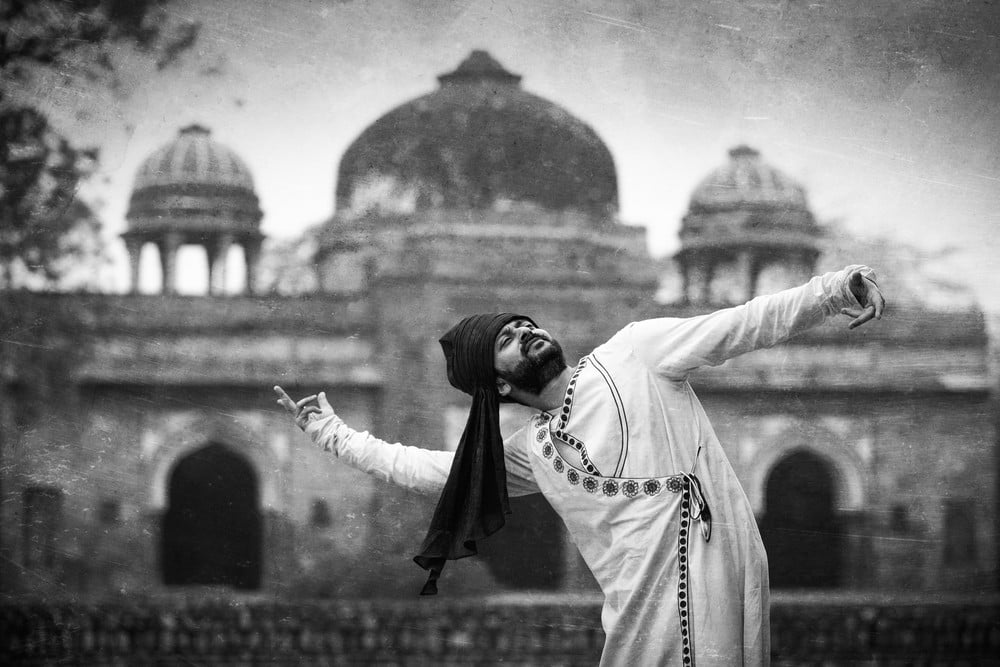

Dastan-e-Khusrau (A heart overflowing with love)

Photos (10)

Cover
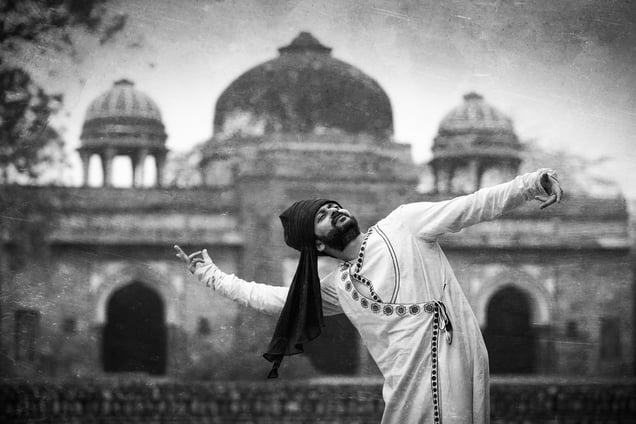
Ameer Khusrau was a revered poet who wrote in several languages including Persian, Arabic, Turkish, Hindavi, Braj Bhasha, Rekhta and Khadi Boli. He is believed to have written over 500,000 verses and was immensely influential in enriching Indo-Persian literature
File: 01 8V7A0633.jpg
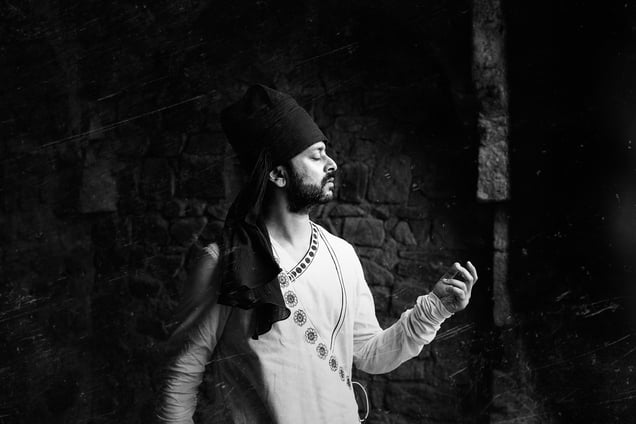
Even as a child Khusrau was known to craft beautiful poems out of thin air. If someone gave him a few random words he would weave them into a lyrical poem in a heartbeat
File: 02 8V7A0887.jpg
Proud of having such a talented son, Khusrau's father had promised to take him to Delhi to learn poetry. However, Khusrau's dream was crushed when his father was killed in battle when he was 10 years old. Some time later though, his mother brought him to Delhi to stay with his maternal grandfather and fulfil his dream. Slowly but surely his fame grew and ultimately he served in the courts of as many as seven different rulers
File: 03 8V7A1249.jpg
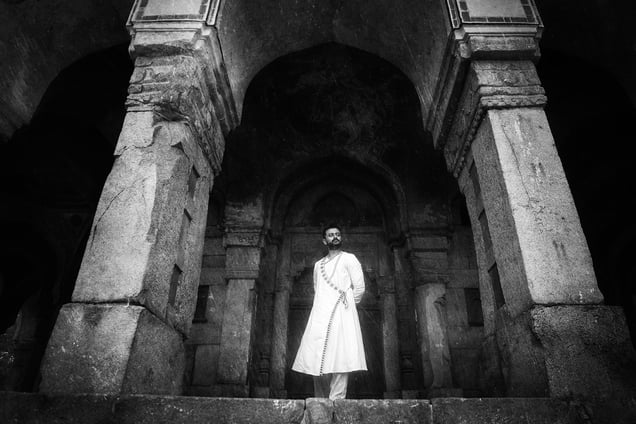
While Khusrau was one of the crown jewels of the court of Sultan of Delhi, his heart was rooted with the masses which earned him their love and affection
File: 04 8V7A0317.jpg
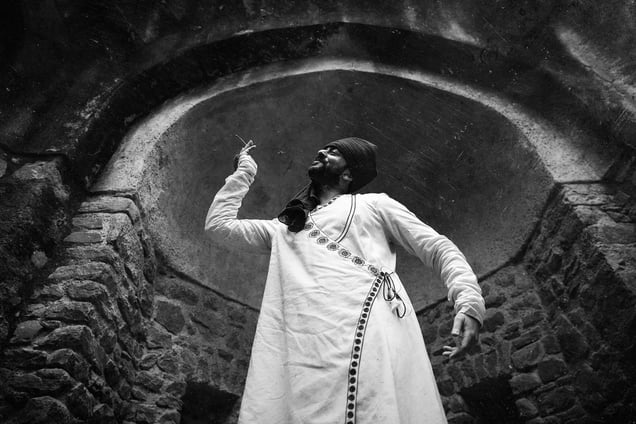
Beyond the realm of literature, Khusrau was an incredibly talented musician. He is widely credited for introducing Arabic and Persian dimensions to Indian classical music and creating the Khayal and Tarana genres of music
File: 05 8V7A1117.jpg
While Khusrau's poetry had tasted fame at a young age, it was later when he began writing with immense simplicity that he made a home in the hearts of a wide array of people
File: 06 8V7A1584.jpg
Khusrau's poetry explored a wide variety of themes including love, natural beauty, folk life and spirituality.
File: 07 8V7A0413.jpg
One of Khusrau's greatest contributions to the world of music is the invention of Qawwali, a devotional music style which is pure ecstasy. These surreal qawwali compositions are performed even today throughout South Asia, a testimony to his unwavering legacy
File: 08 8V7A0718.jpg
Often kings from neighbouring states used to make offers to transfer Khusrau to their court but the sole reason he never agreed to go was because he could not live far away from his spiritual master Hazrat Nizamuddin Auliya, who he revered the most
File: 09 8V7A2289.jpg
The love and magic of Khusrau's poetry and music has endured for over 700 years and continues to gladden all hearts it touches
File: 10 8V7A1961.jpg