One day in mid September 2014, I walked for hours through the streets of Nagasaki. The
midday sun was high in the sky and I sat on a bench in the shade to take a rest from the heat. It was a lovely garden and the gentle breeze nurtured me. I sat there for some time before realising that the atomic bomb hypocenter was right there, just a few metres in front of me. I could not believe how a peaceful place like that could be the origin of such a catastrophe and death.
After Nagasaki aims to visualise and overcome that unique limitation in the act of witnessing. In fact, Nagasaki and Hiroshima’s bombings meant the sudden obliteration of two cities with all that they contained, from human lives to tradition. It was an event that for the first time could not be witnessed neither from the outside, since the only image we have are those of the two mushrooms clouds, nor from the inside because it left those who experienced it disoriented.
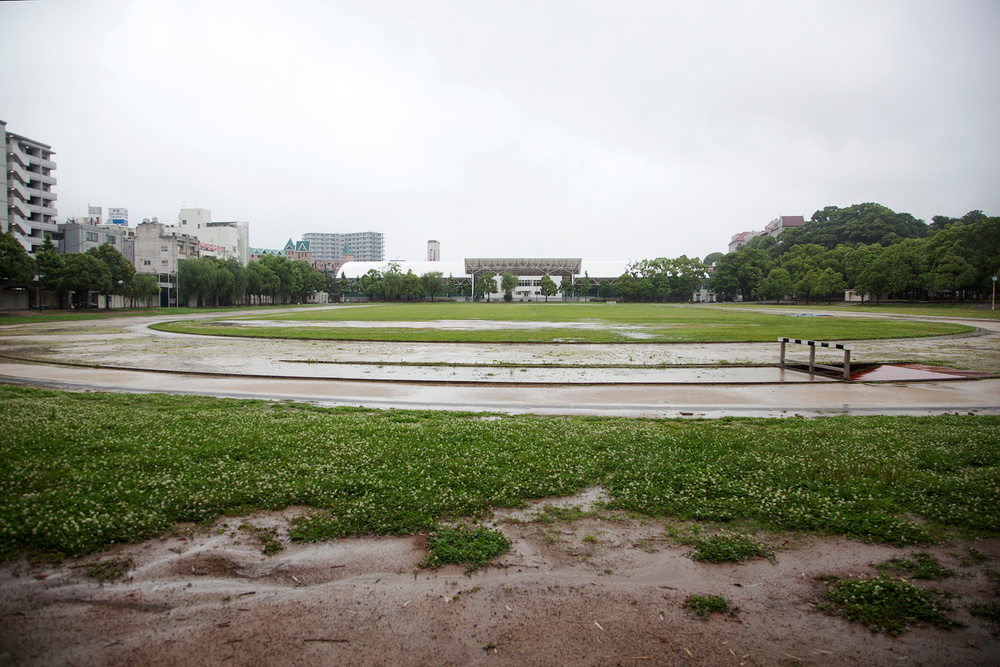
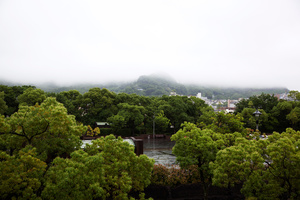
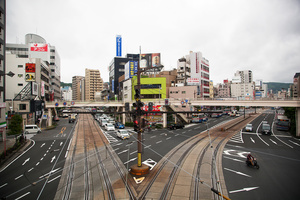
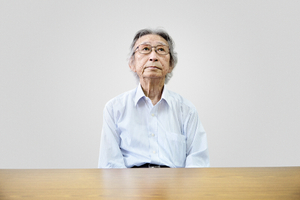
The project mixes landscape and portraiture imagery, developing a tension between presence and absence, where the city landscape becomes the setting for the unfolding of private and collective memories.