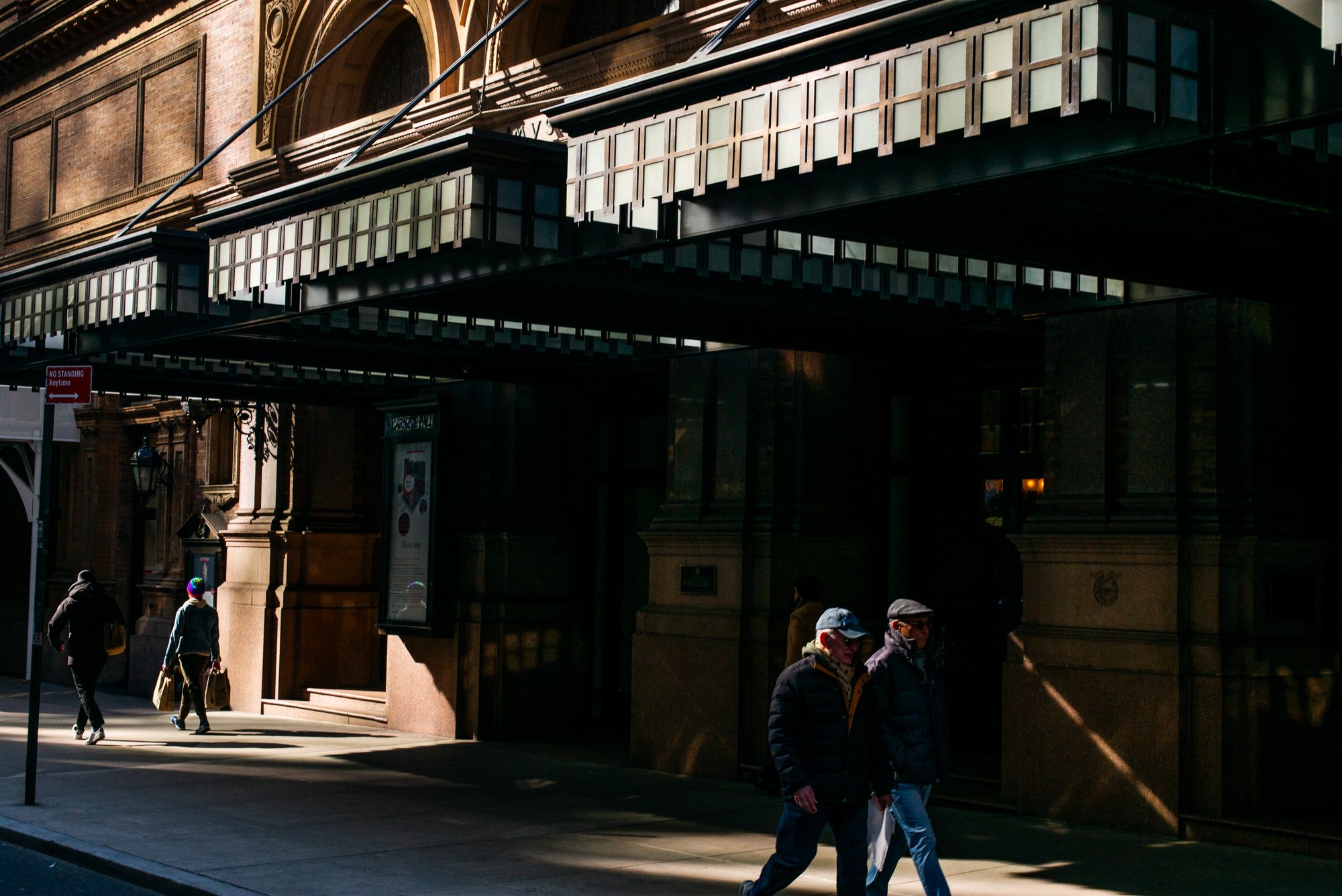

Twilight II (2019-present)
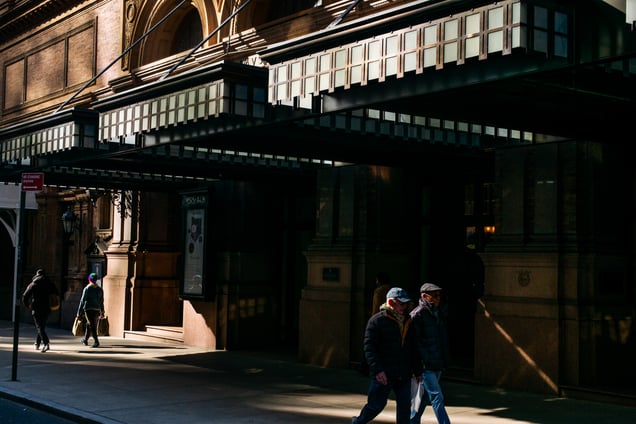
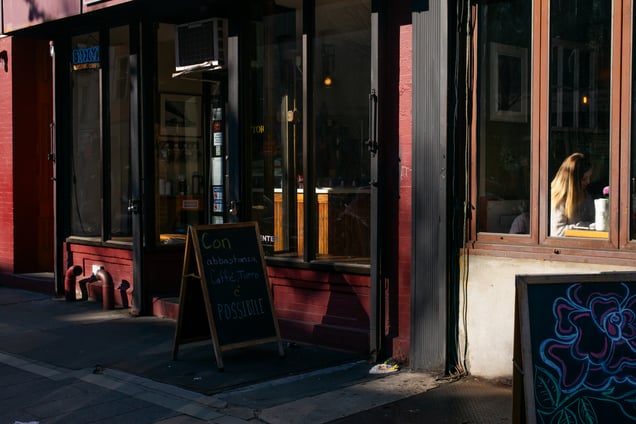
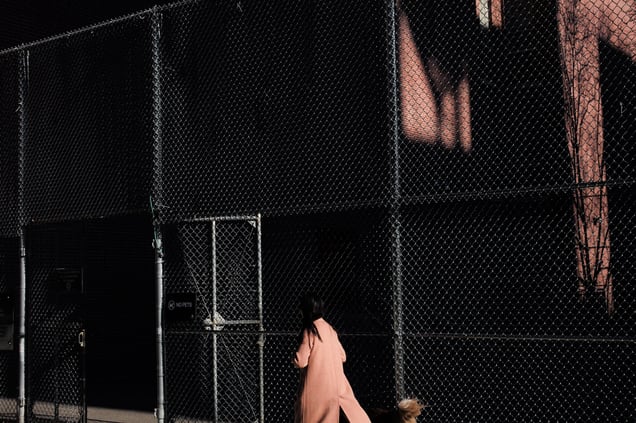
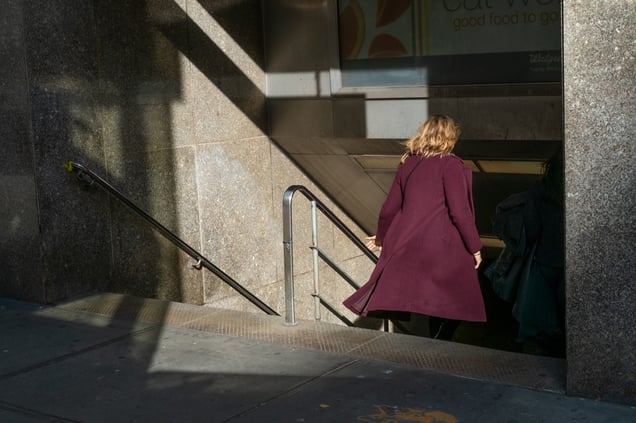
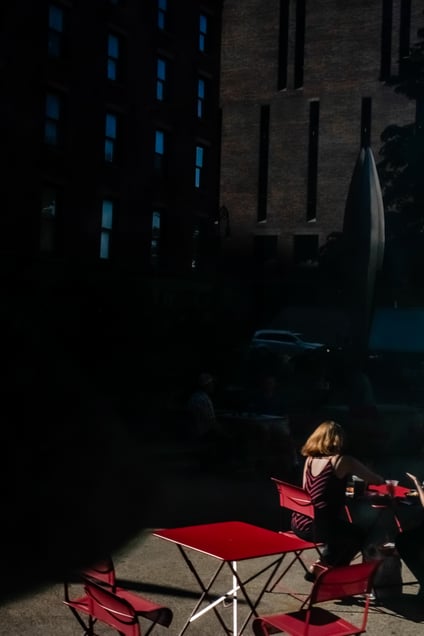
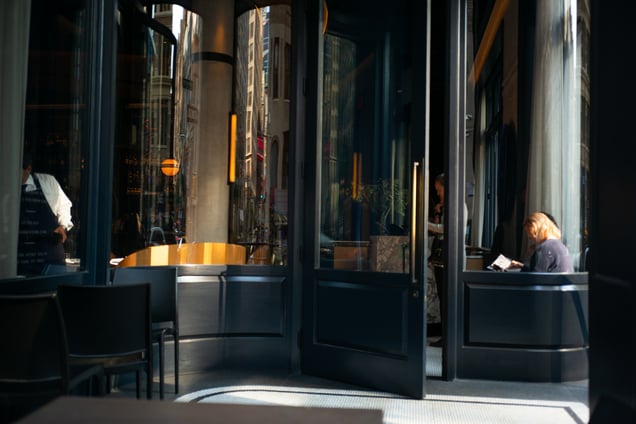
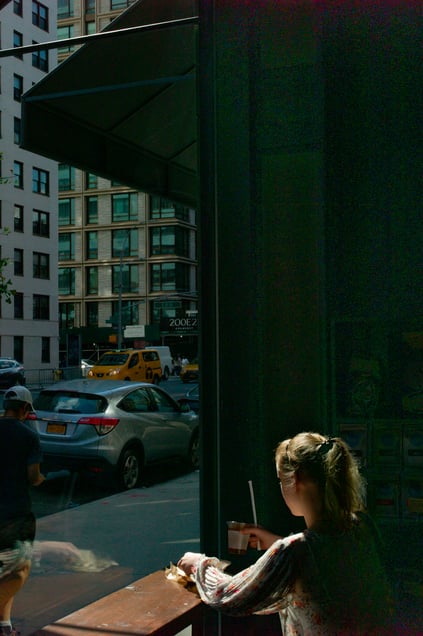
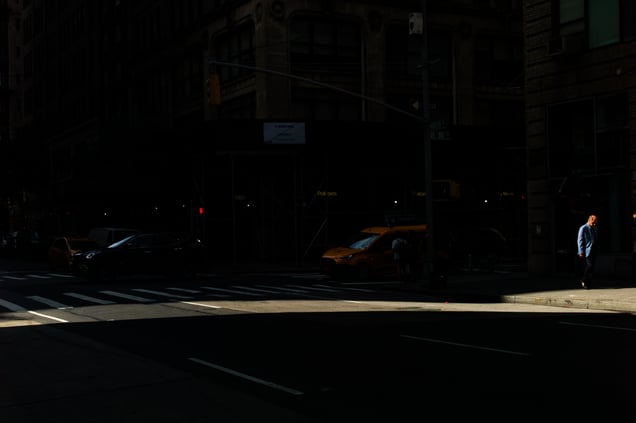
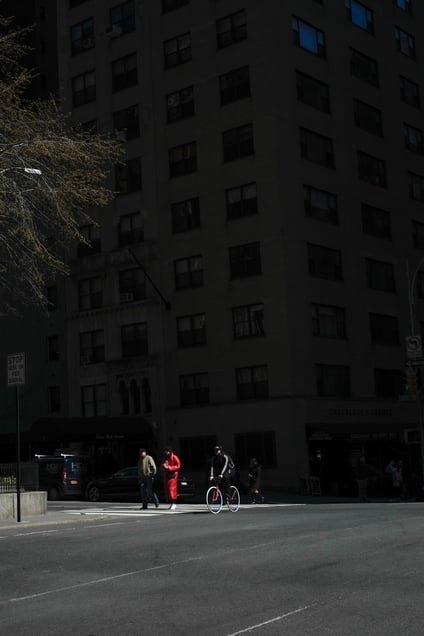
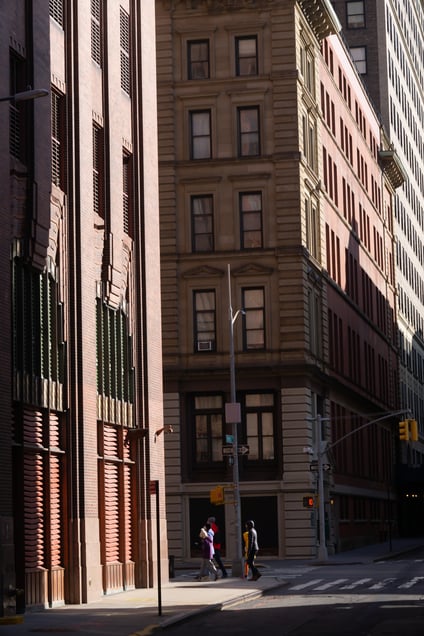
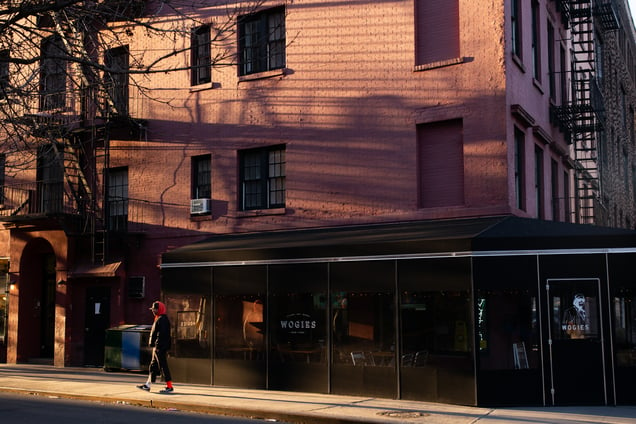
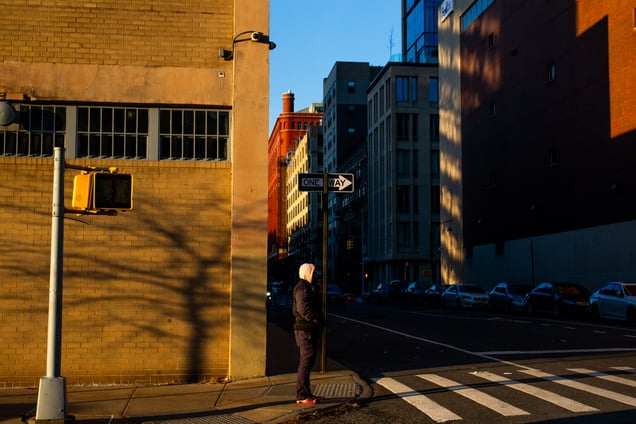
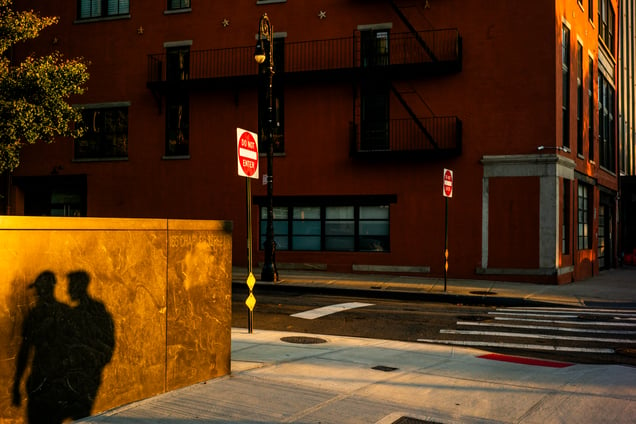
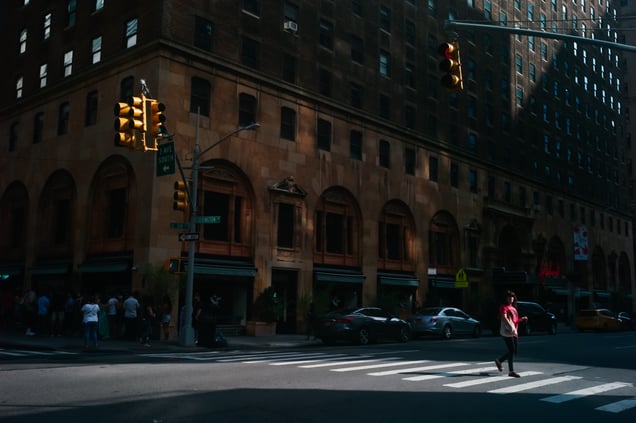
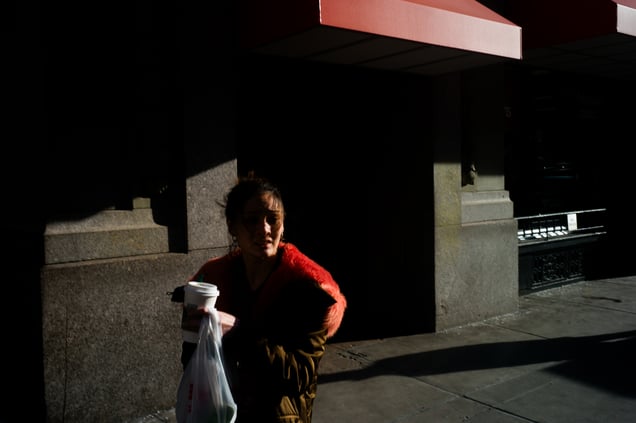
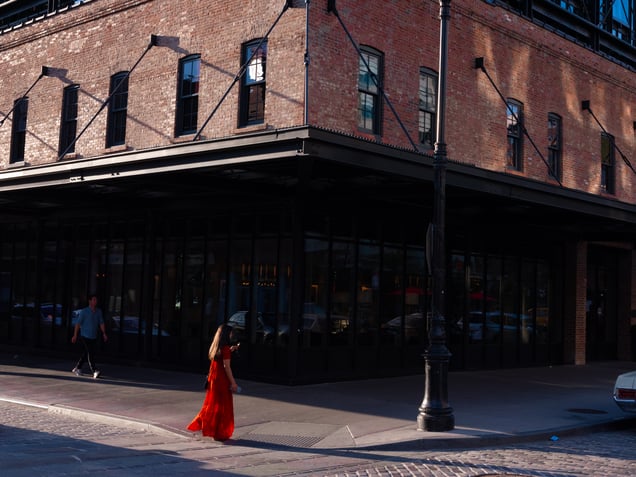
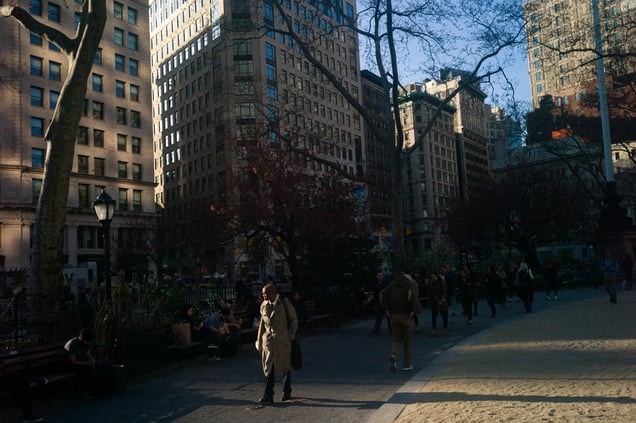
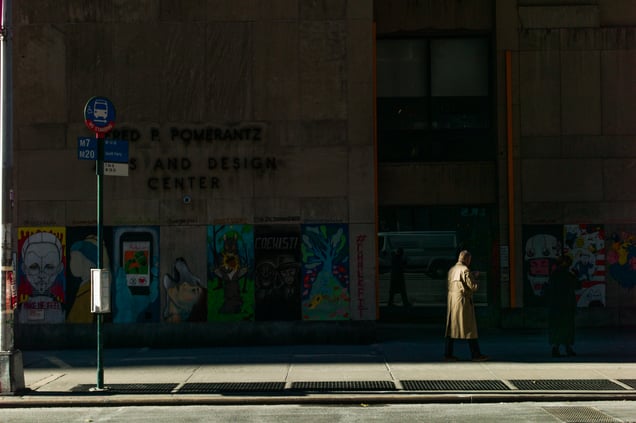
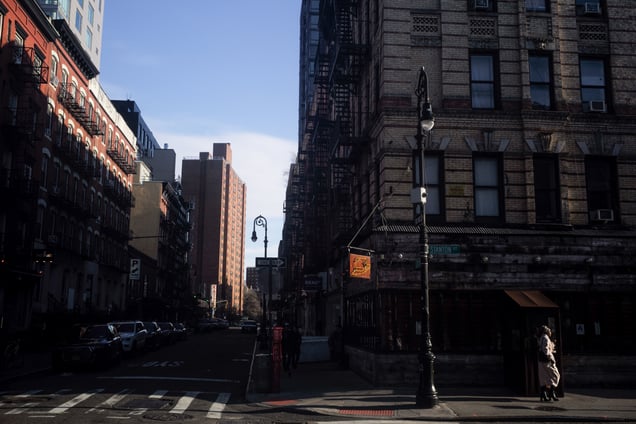
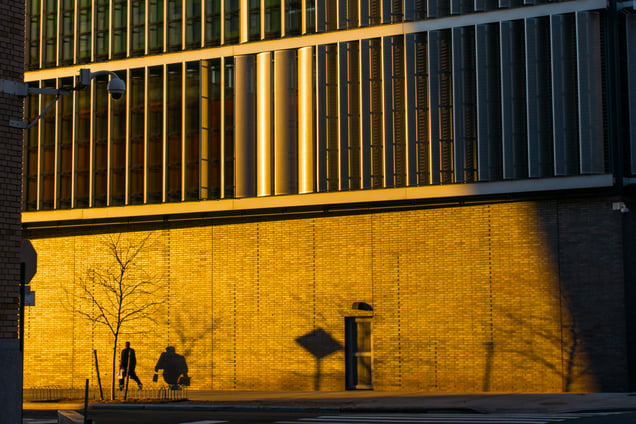
This later body of work extends the same sensibility, silence, fragility, spectral atmospheres, as Twilight I, but develops it further. Where Twilight I focused on the play of light at the margins of the day, Twilight II deepens the exploration of shadow and reflection. It emphasizes the duality of presence and disappearance: skyscrapers turning into walls of light, facades that simultaneously reveal and conceal, crowds dissolving into a collective solitude. If Twilight I can be read as a theater of fleeting urban gestures, Twilight II becomes more introspective, amplifying the spectral quality of a megapolis — a city at once real and dreamlike, where every figure is a ghost passing through borrowed time. It advances Chervine’s pursuit of the “suspended moment”: the fragile interval where nothing has happened yet, but anything could happen .
No categories selected
Photos (20)