
Buzkashi
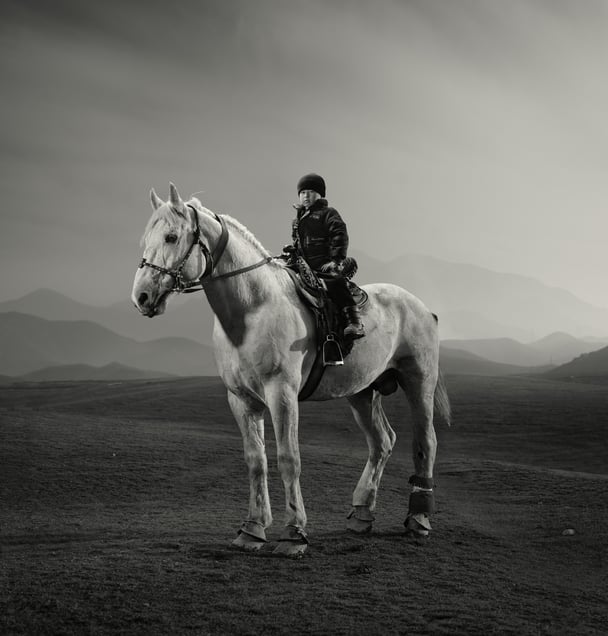
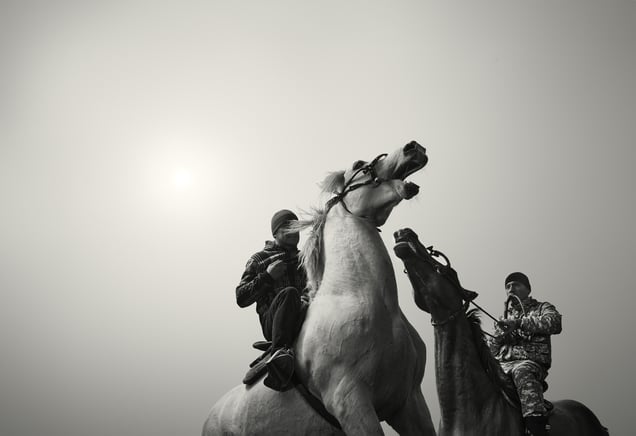
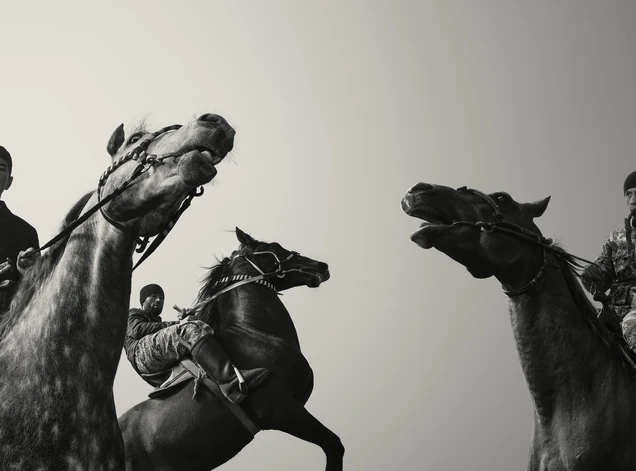
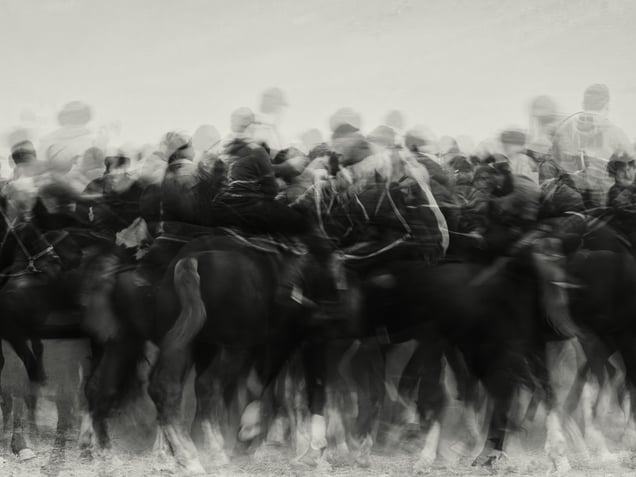
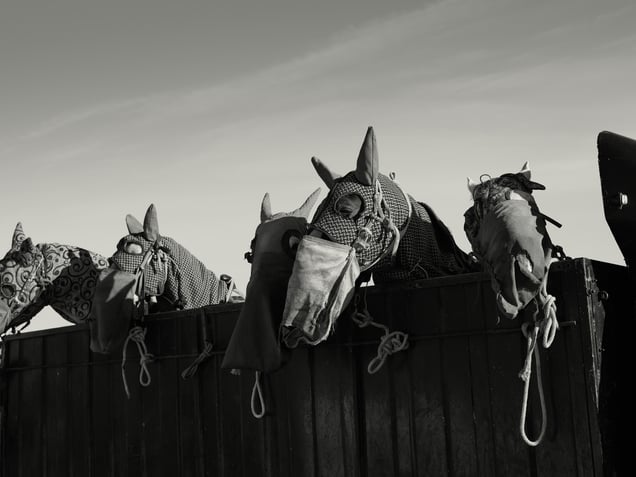
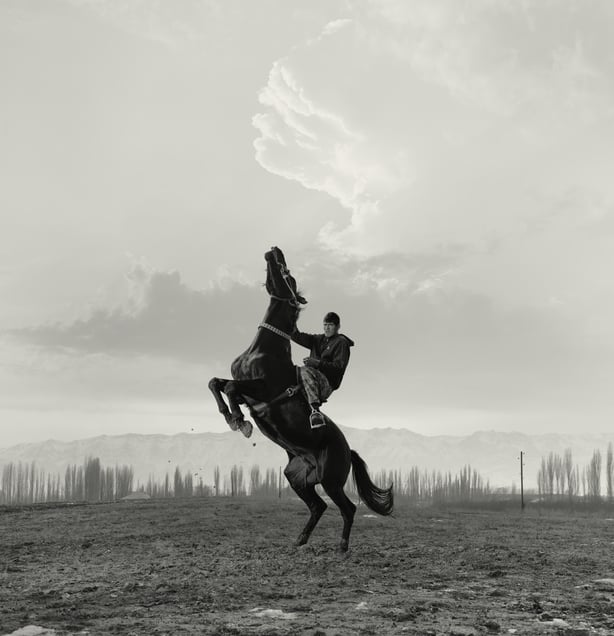
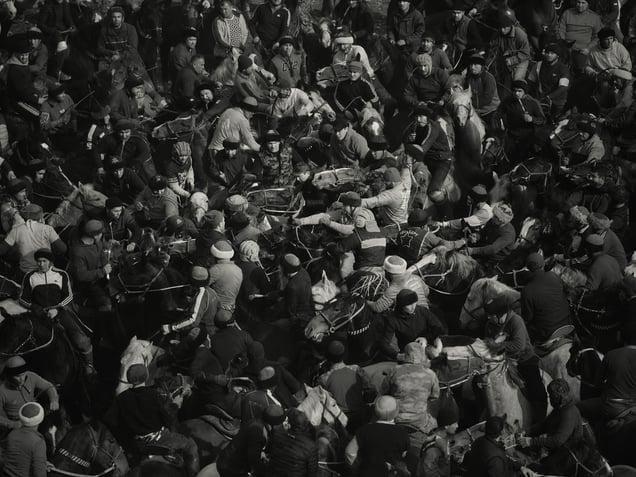
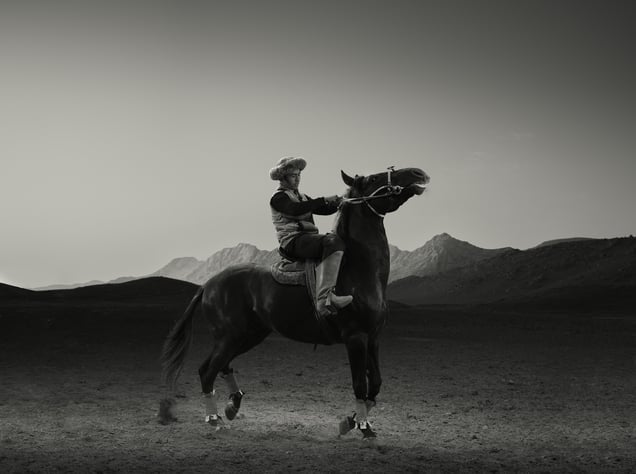
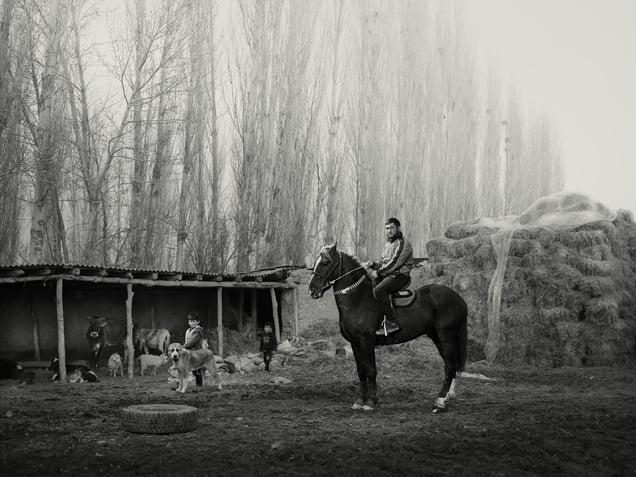
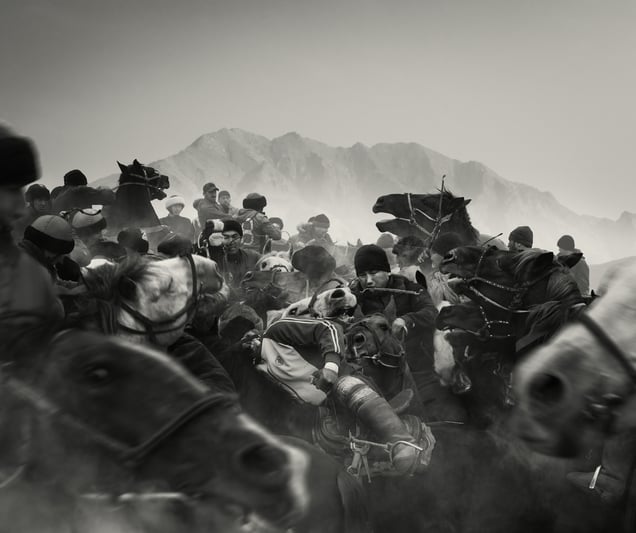
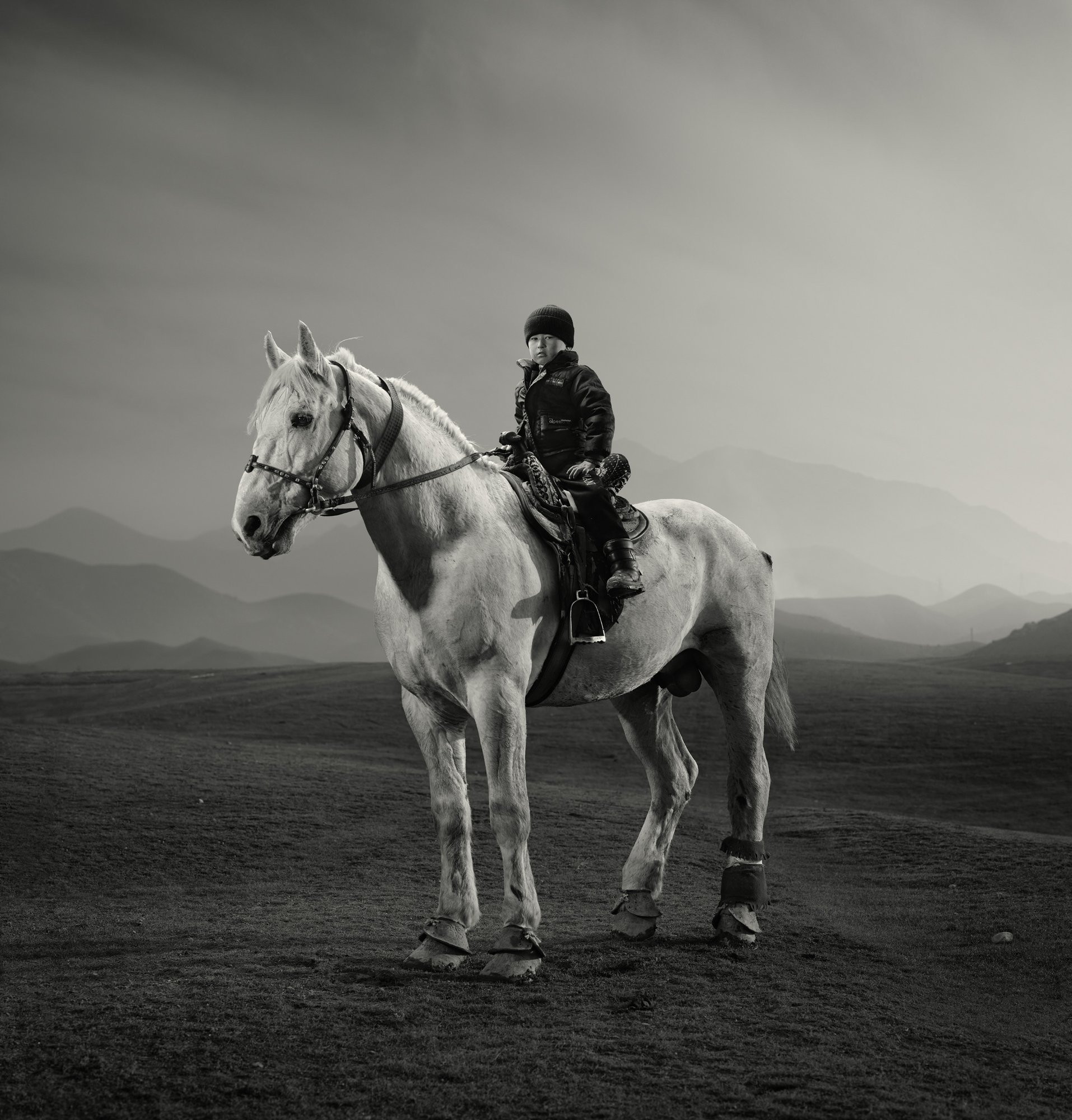
Buzkashi - literally “goat pulling” in Persian - is the fierce, ancient sport of Tajikistan. Imagine polo, but multiplied by hundreds. No teams, no boundaries, no referees in sight. The ball is the eviscerated, headless carcass of a goat. The aim is brutally simple - seize it, hold it, break free. The game was born among the nomadic horse cultures of Central Asia, where strength and horsemanship were measures of identity and tools of politics. For centuries, chapandaz (riders of extraordinary skill and endurance) have hurled themselves into this churning mass of hooves and bodies, fighting for honour, memory, and a moment of clear sky in the dust. In the chaos, the scene feels almost mythic. A cavalry charge untethered from time, echoing the charge of empires and stories older than the borders drawn on maps. There are rules, but only barely. The match ebbs and flows, spilling into the scattering crowd before settling back into the loosely defined field, driven by instinct as much as strategy. Victory comes only when one rider, somehow, manages to wrench free of the pack and drag the ‘buz’ (the goat) across a line marked by scattered straw on open ground. That moment can sometimes arrive only after hours of relentless contest. Once played widely across the steppes and the neighbouring ’Stans, Buzkashi remains central to the great gatherings of the Tajik valleys. Weddings, seasonal festivals, rites of passage. It is not a sport preserved purely as heritage, nor performed soley for spectators. It is lived. As raw, as alive, and as enduring as the land that cradles it.
Photos (10)