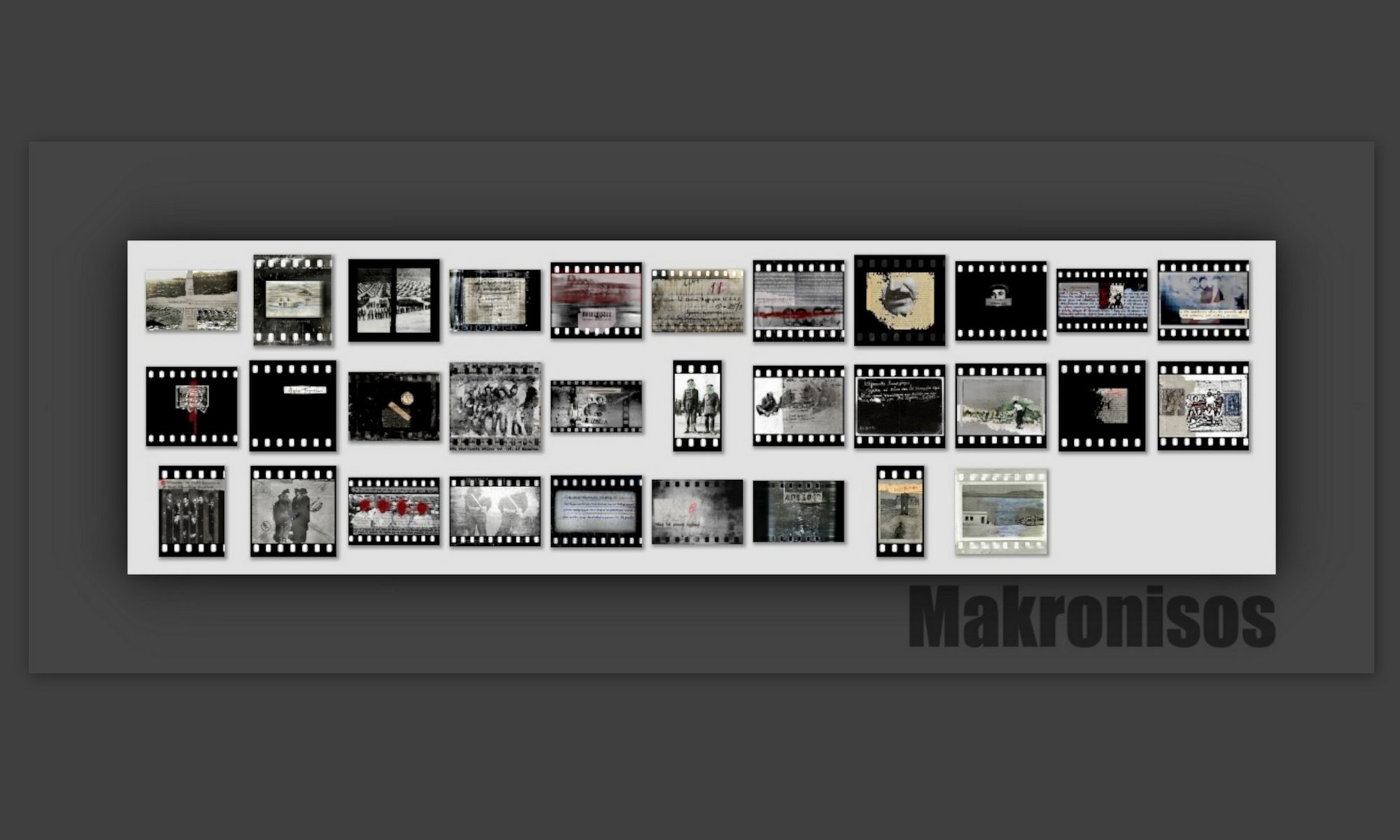

Fragments from Makronissos: Bodies, Letters, and Silent Resistance
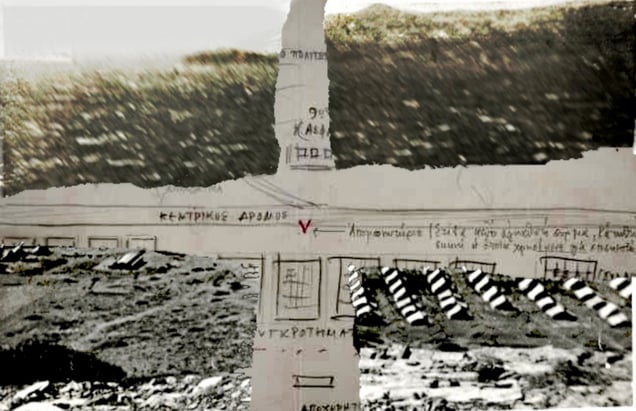
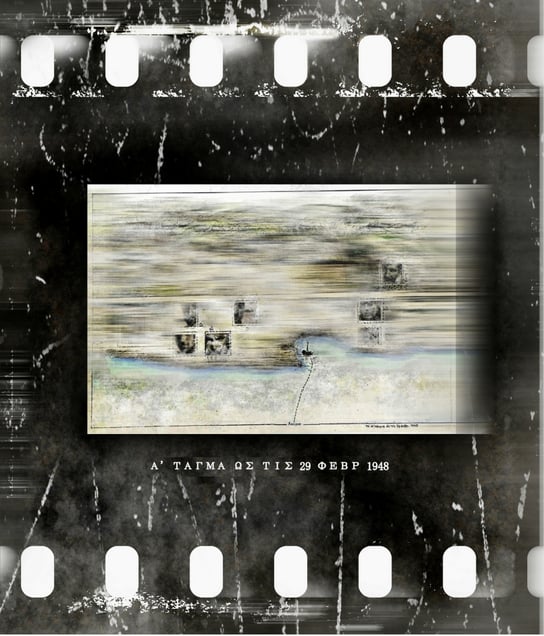
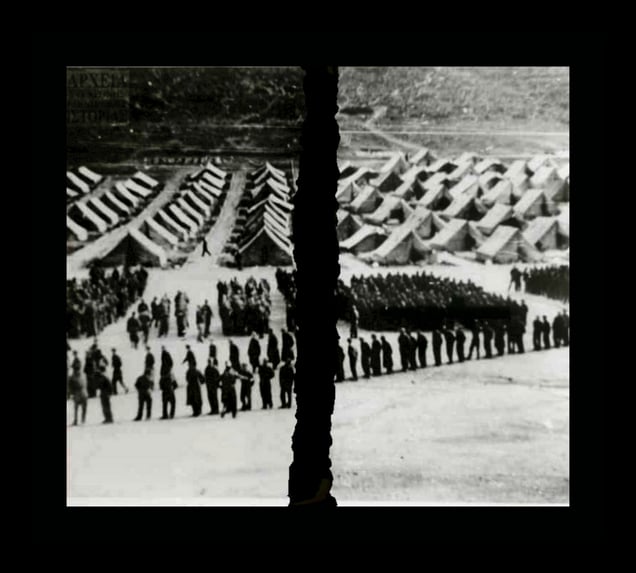
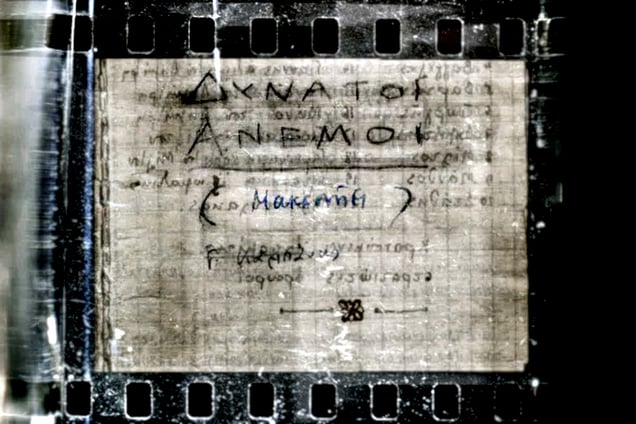
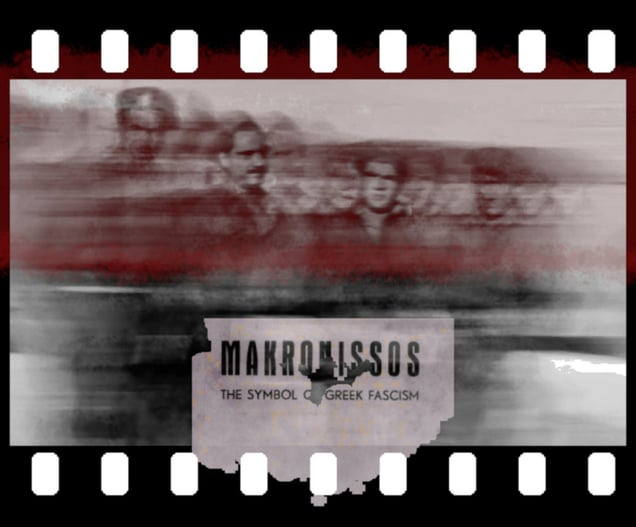
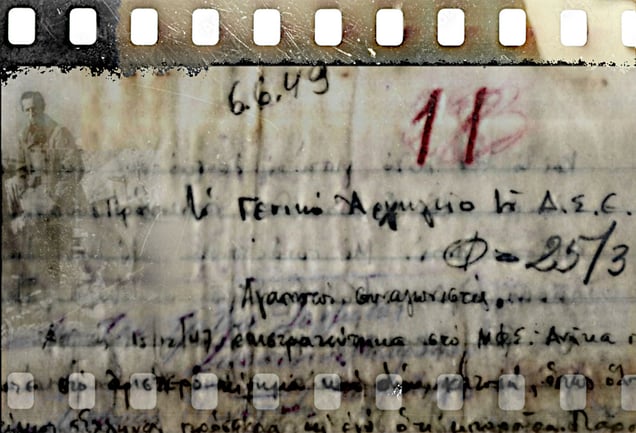
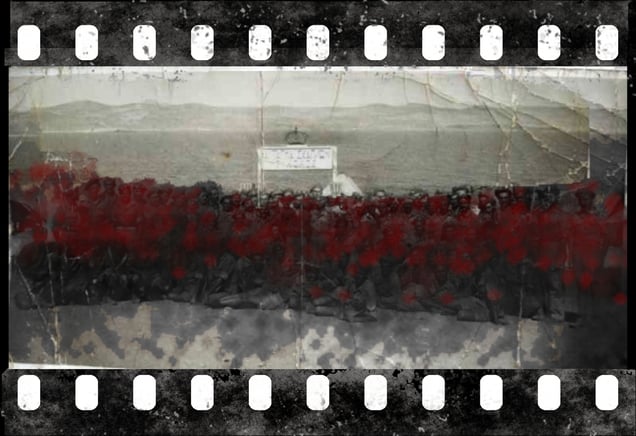
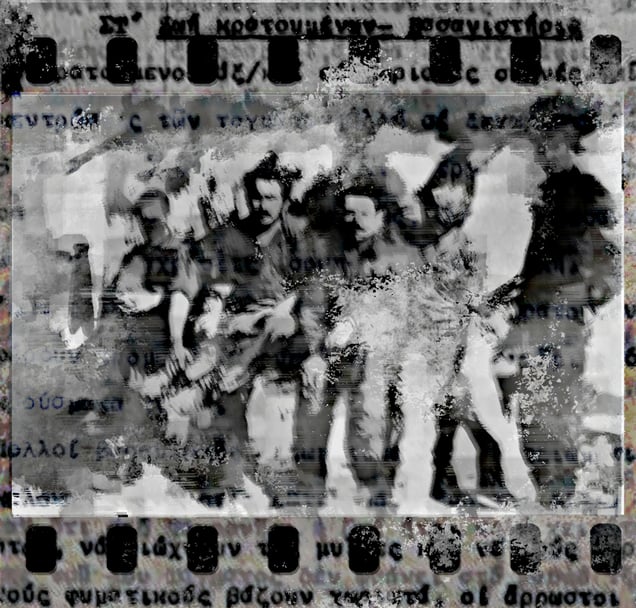
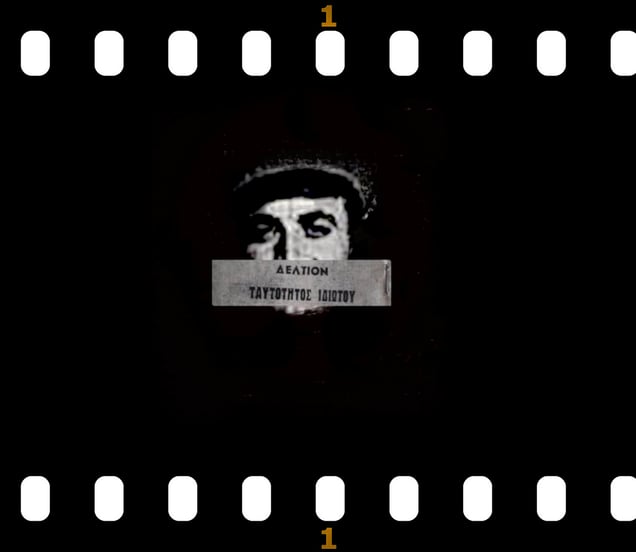
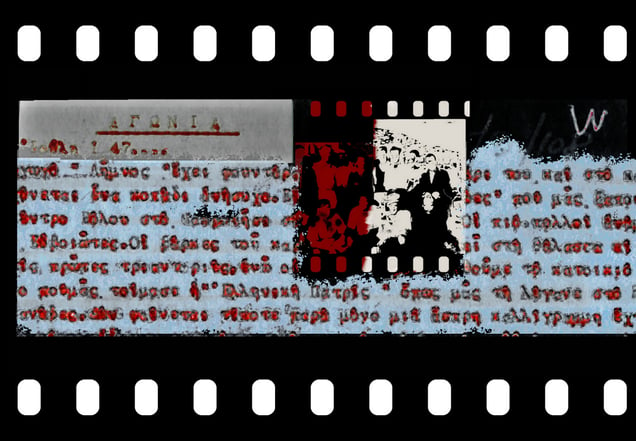
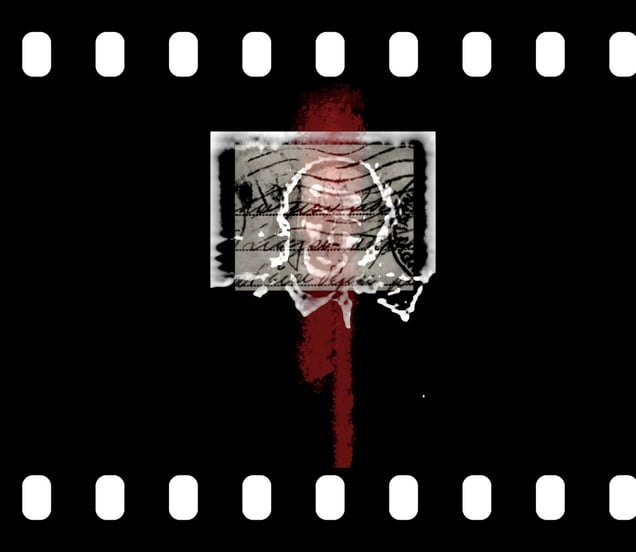
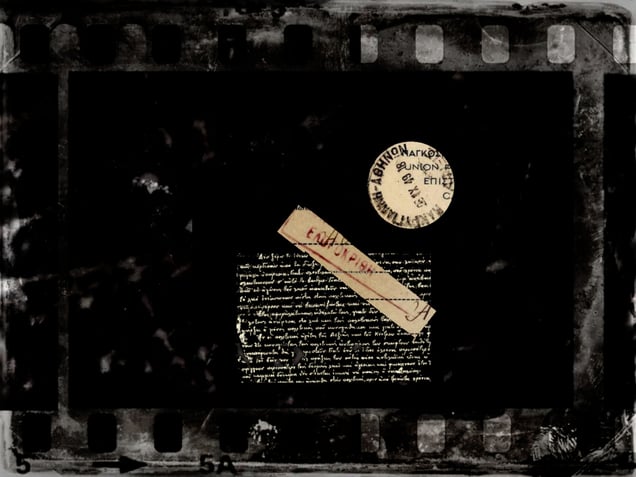
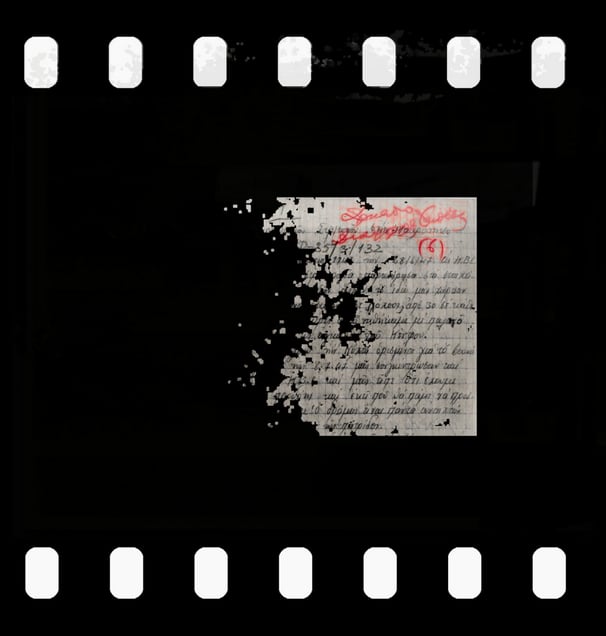
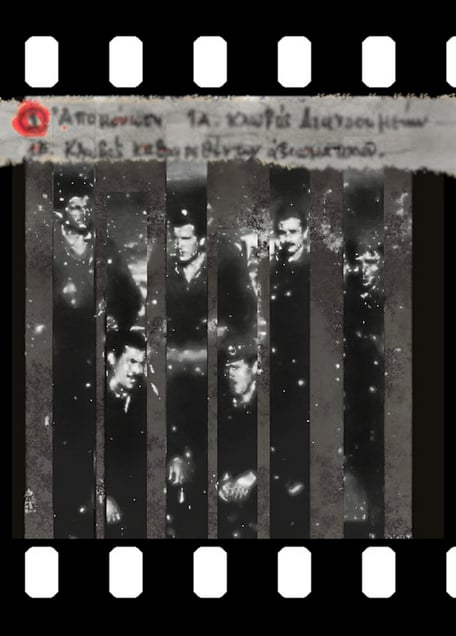
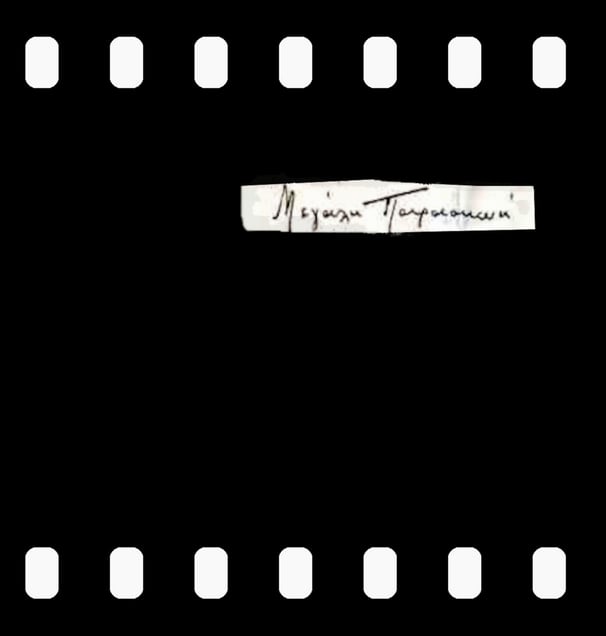
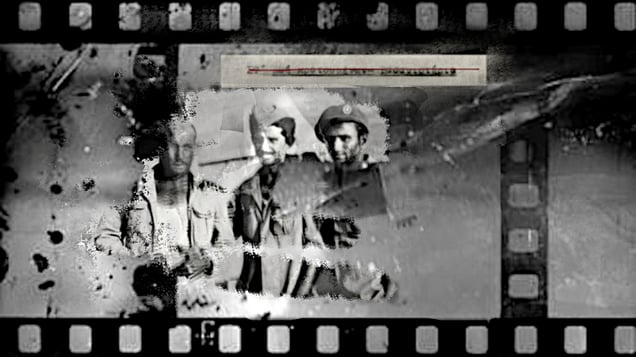
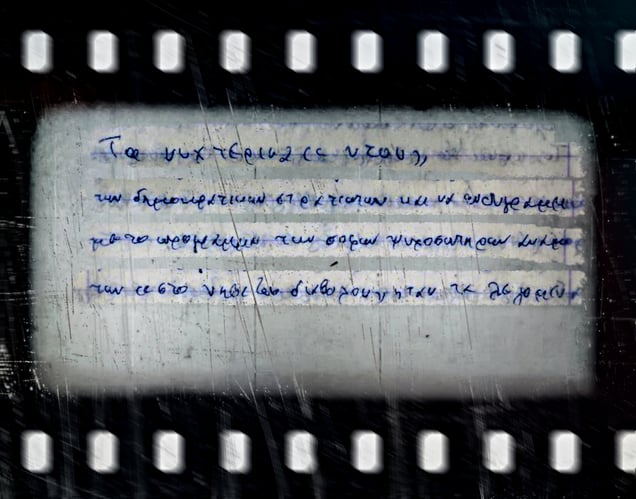
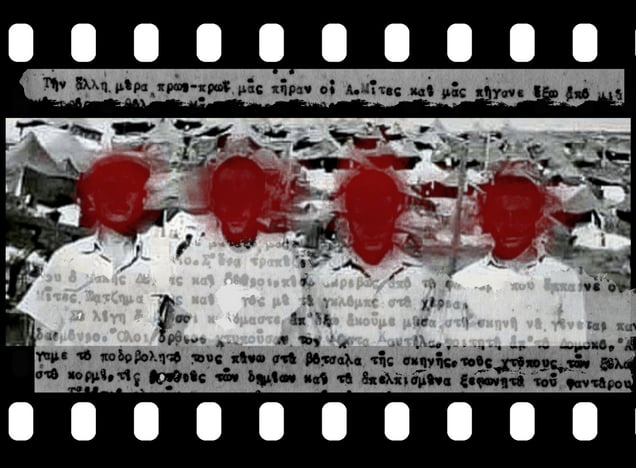
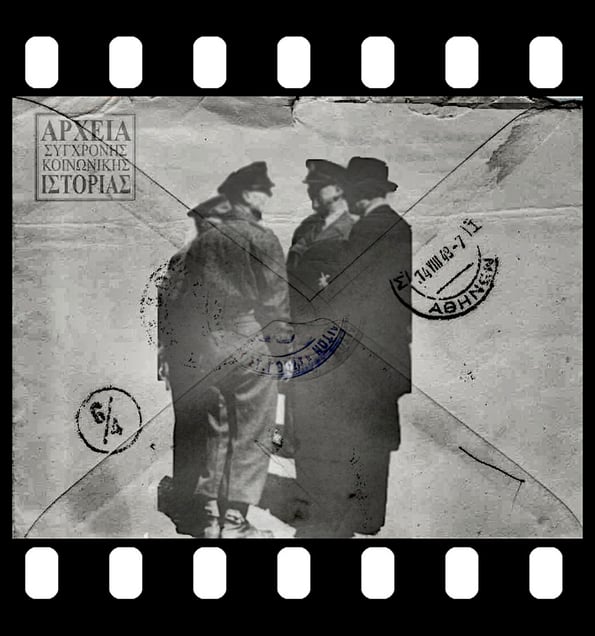
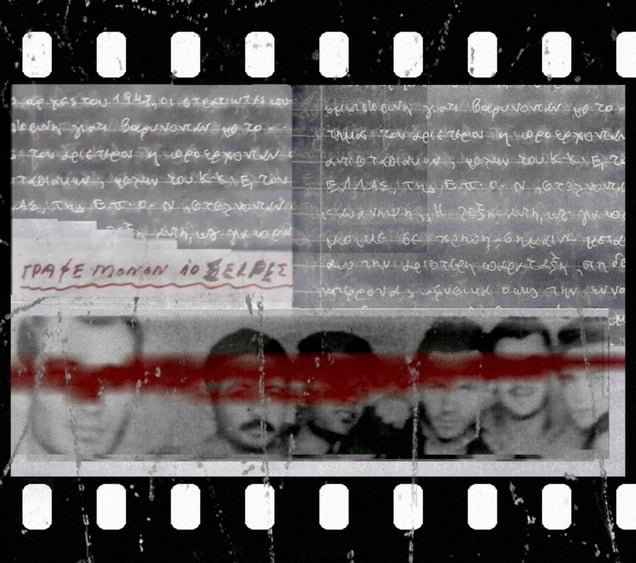
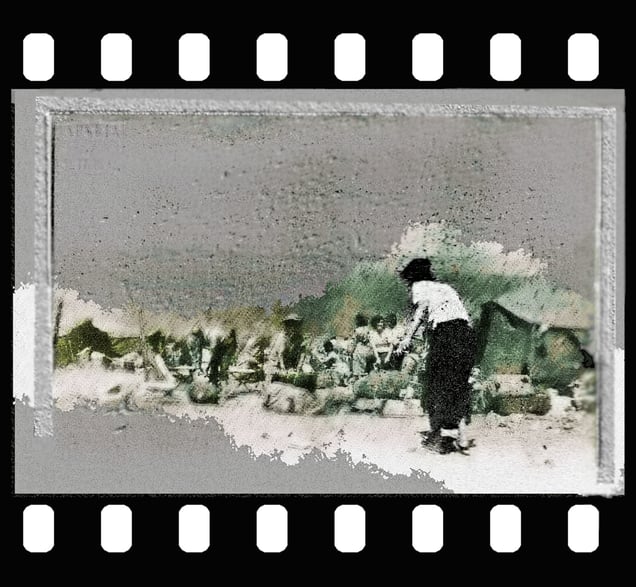
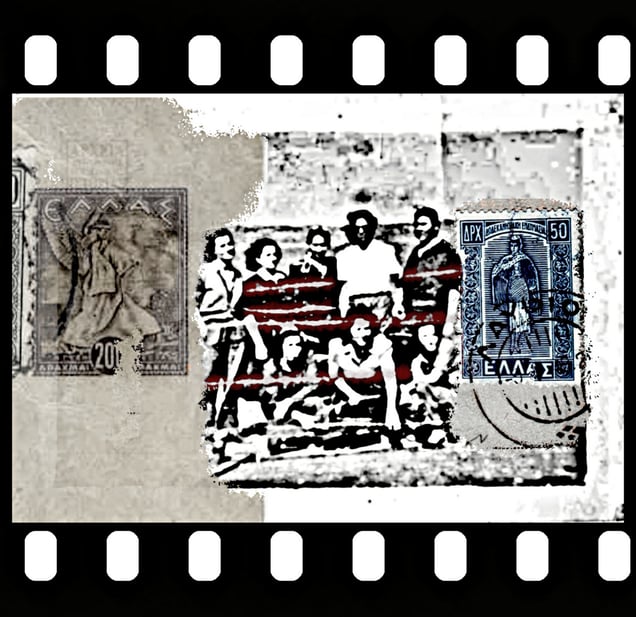
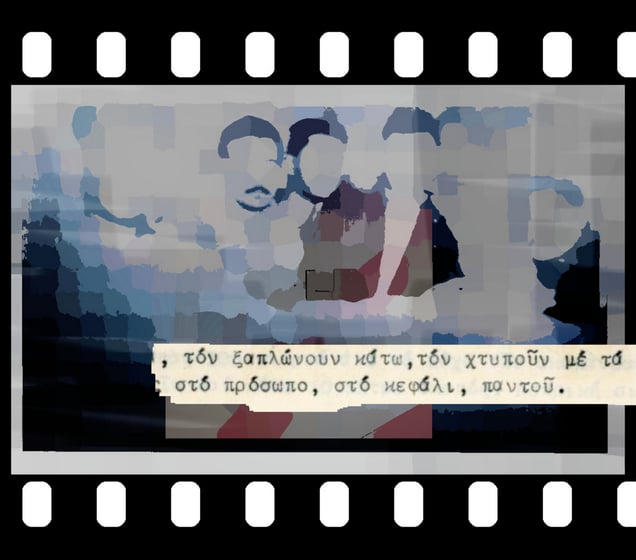
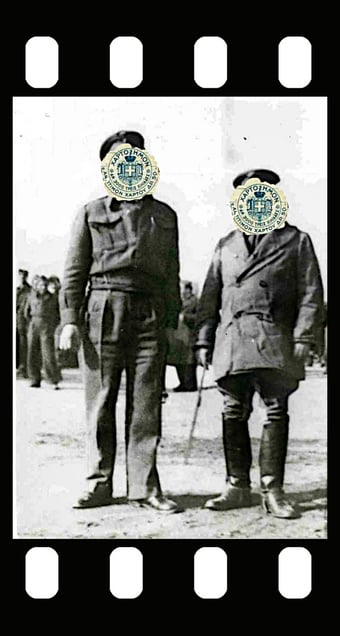
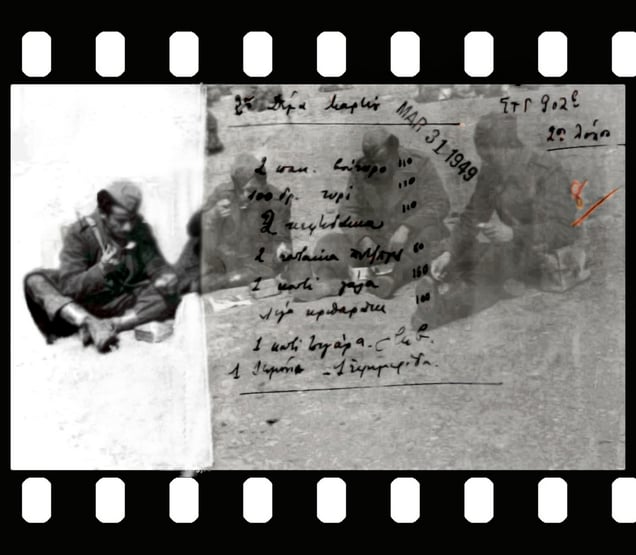
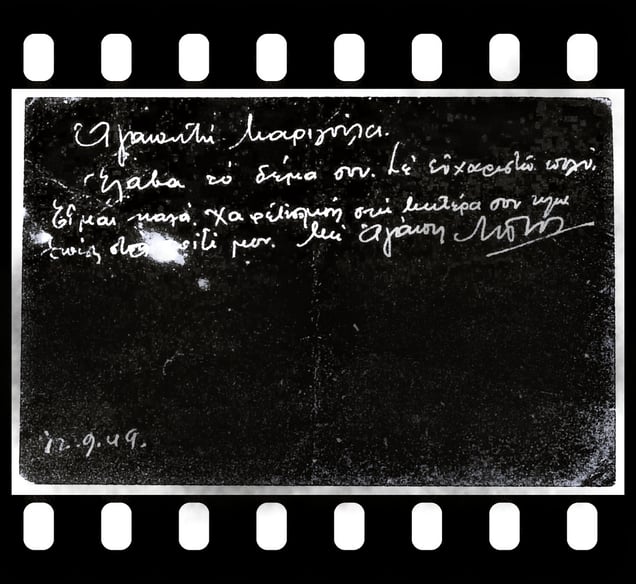
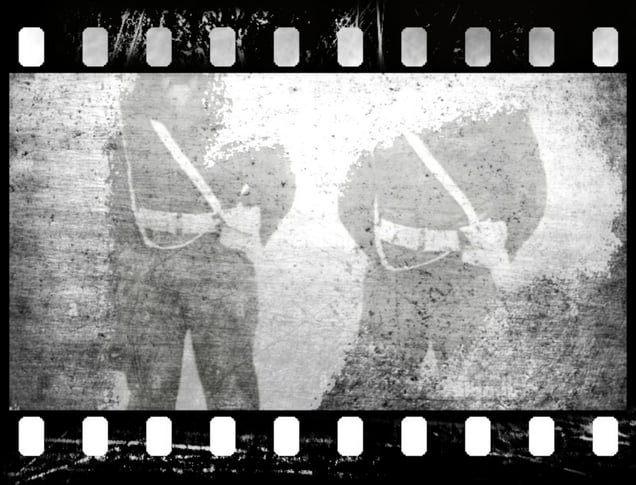
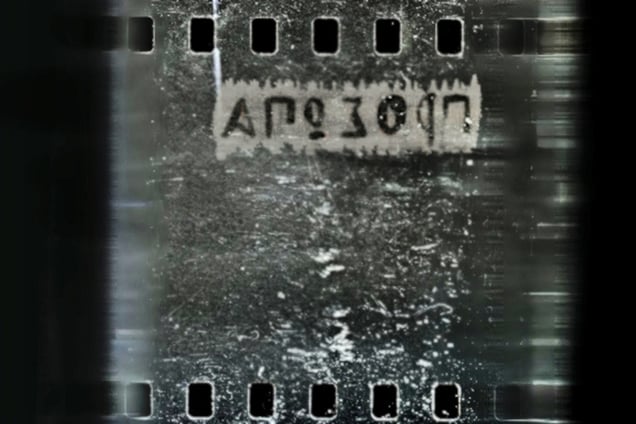
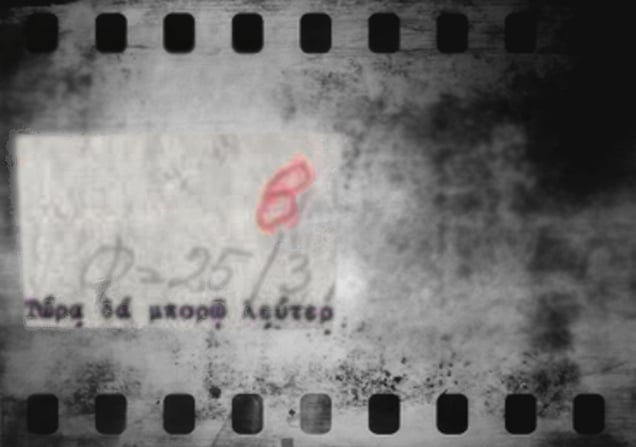
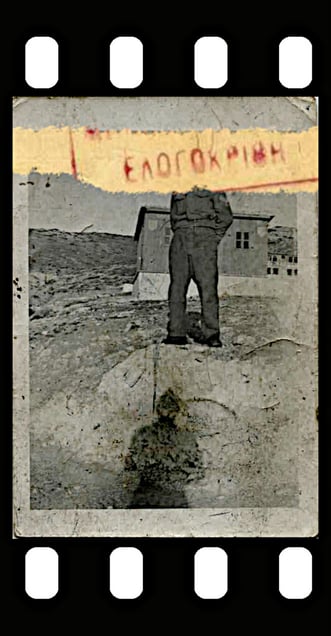
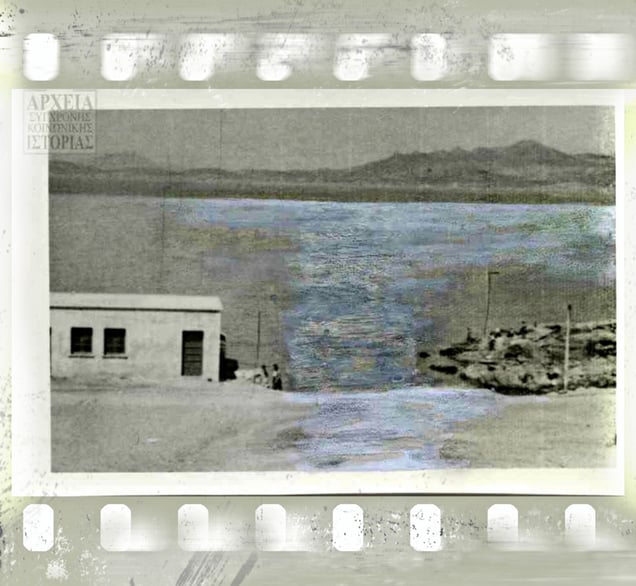
A performative act of memory through archival fragments and visual reconstruction . As a public historian and visual artist, I use photography not as a tool of representation, but as a performative gesture of memory. This body of work – composed of 30 visual compositions – emerges from long-term research into the repressive apparatus of post–Civil War Greece (1947–1950), with a specific focus on the island of Makronissos, a military exile camp designed to "re-educate" political prisoners through forced discipline and ideological violence. All visual material derives from authentic archival sources, including documents from the Contemporary Social History Archives (ASKI) and the Digital Museum of Makronissos. Letters, official stamps, censored phrases, identity records, bureaucratic seals, and personal images form the raw materials of this project. Through image layering, digital filmic framing, and minimal aesthetic intervention, these fragments are reconfigured into a poetic and politically charged visual essay. This is not a nostalgic recollection of the past. Rather, it is a living, pulsing act of counter-memory — one that resists silence and speaks through absence. The images do not reconstruct a clear historical timeline; instead, they perform the afterlife of censorship, displacement, and survival through texture, trace, and erasure. At the center of this work are the bodies and voices of the exiled — fragmented, often redacted, but insistently present. Letters become testimonies. Bureaucratic violence turns into aesthetic form. The suppressed becomes visible. Each image asks: What survives through silence? Who decides what is remembered?
Photos (32)