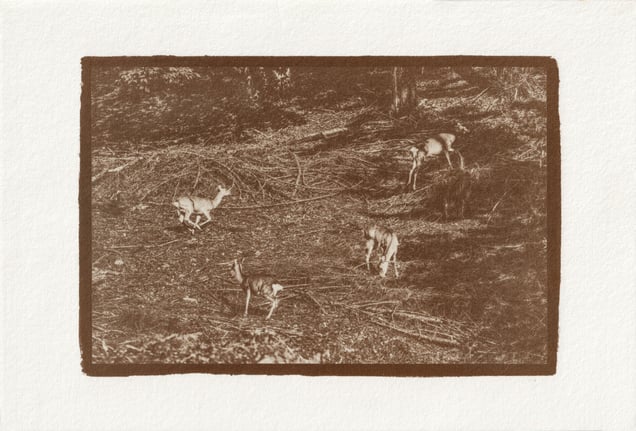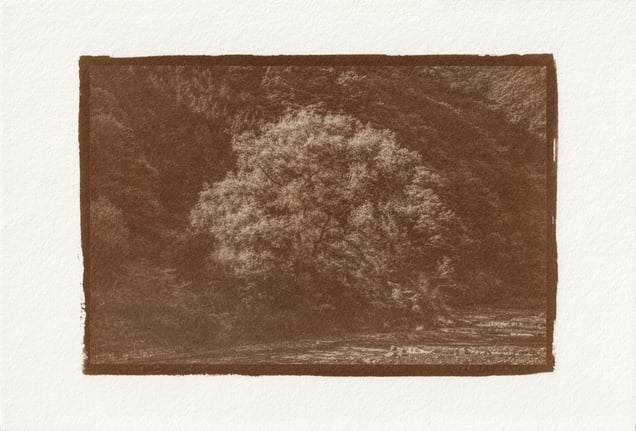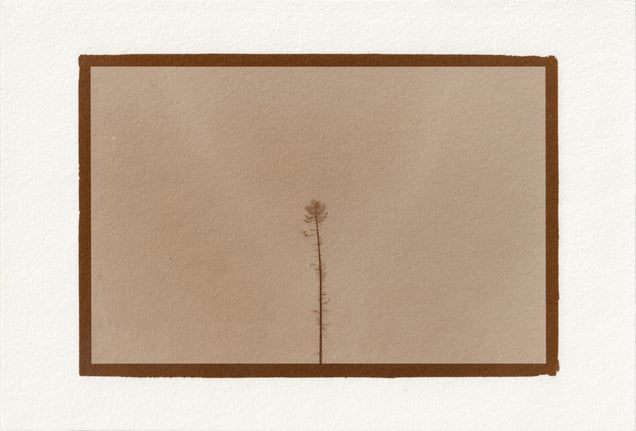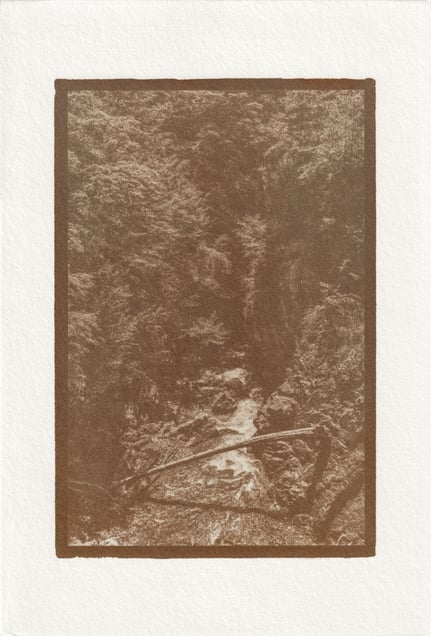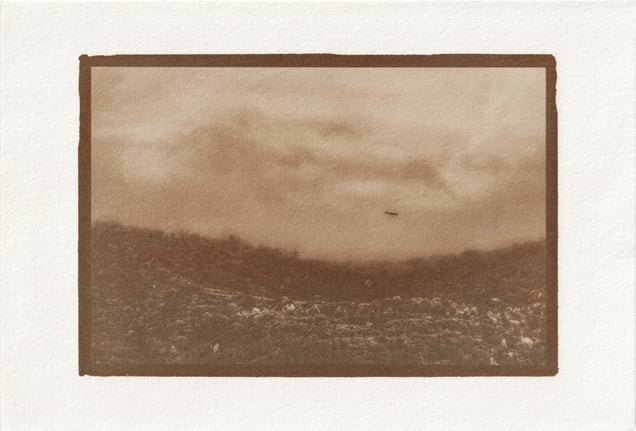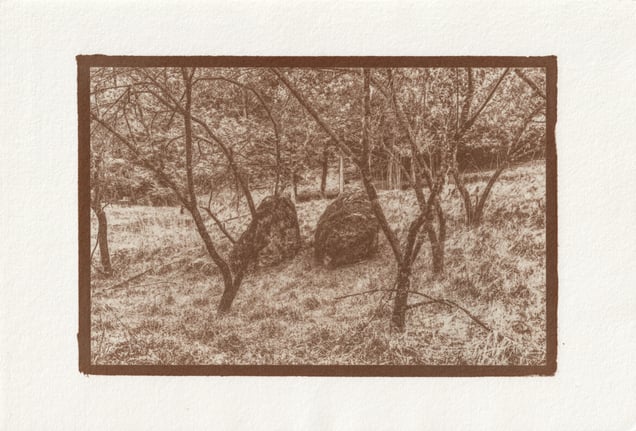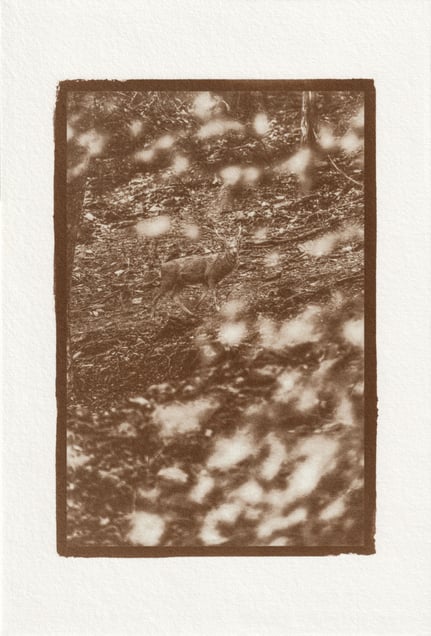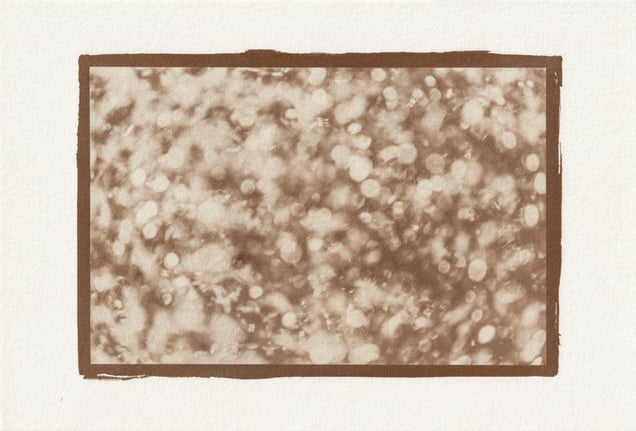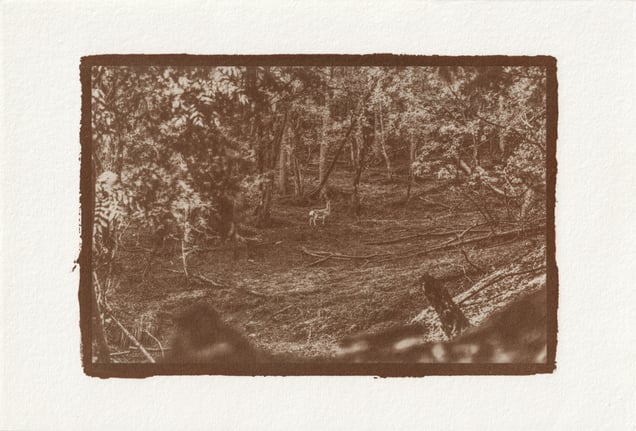
流転する子鹿は弧を描く
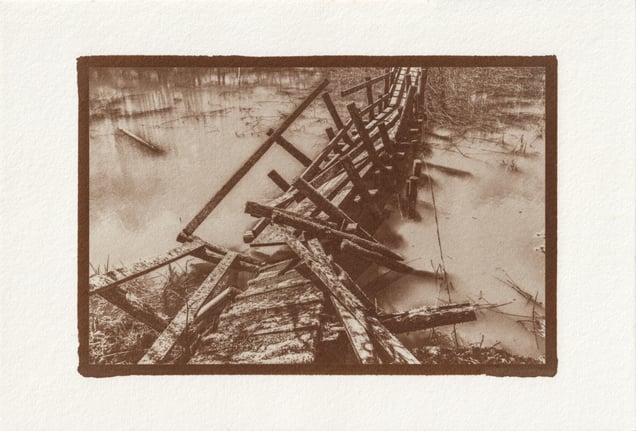
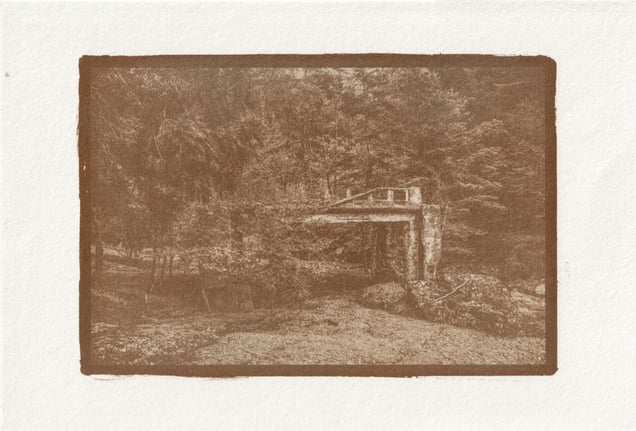
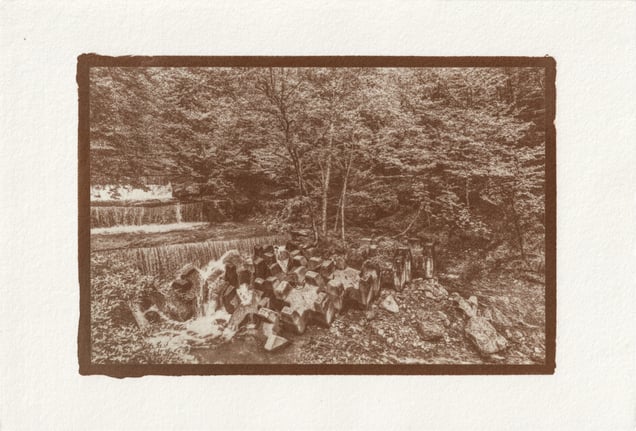
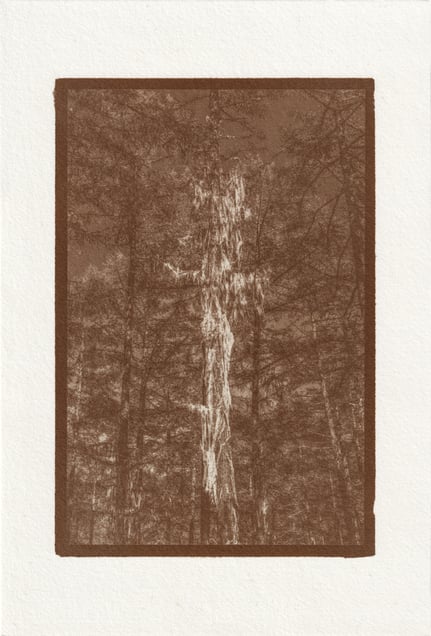
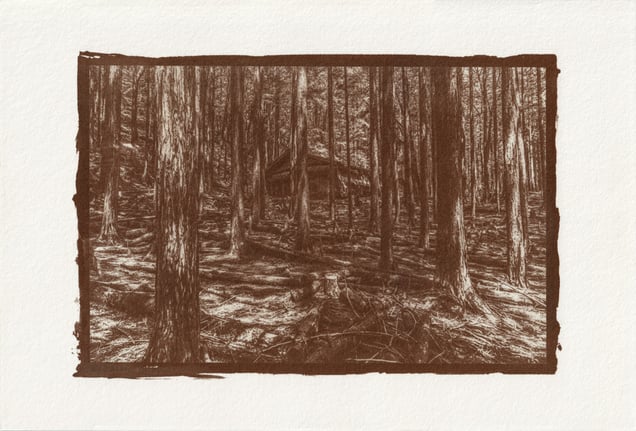
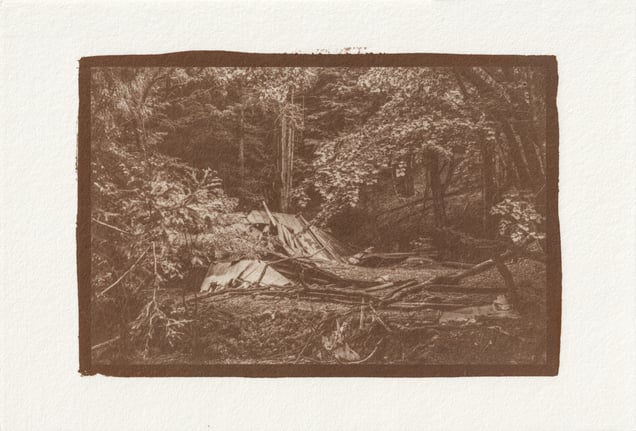
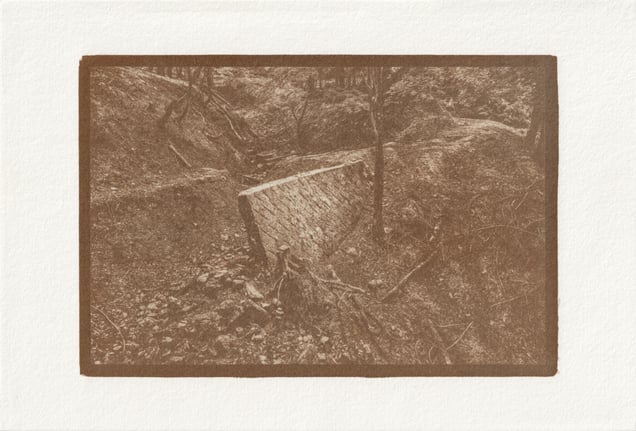
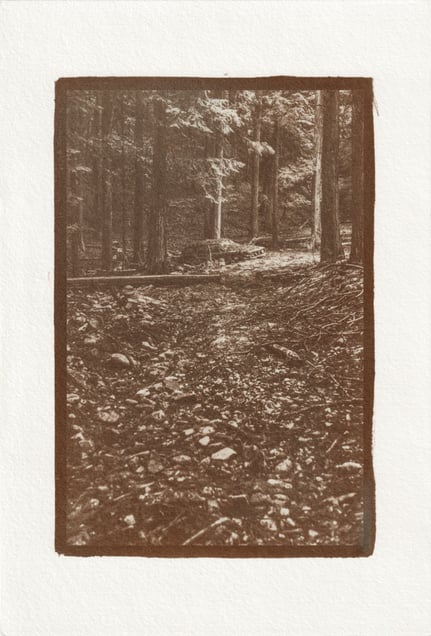
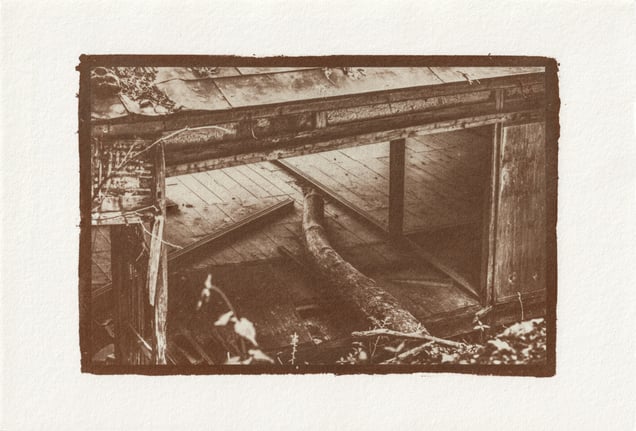
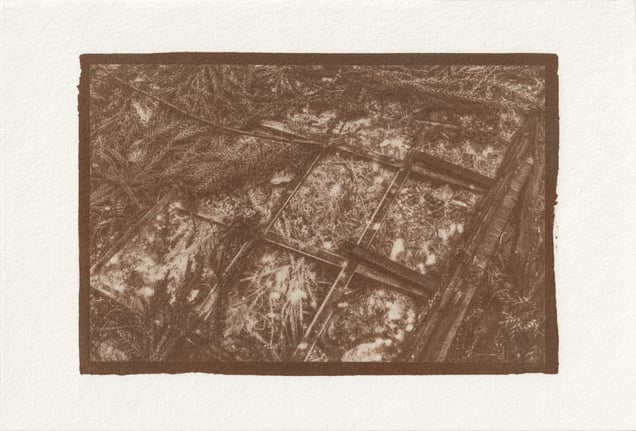
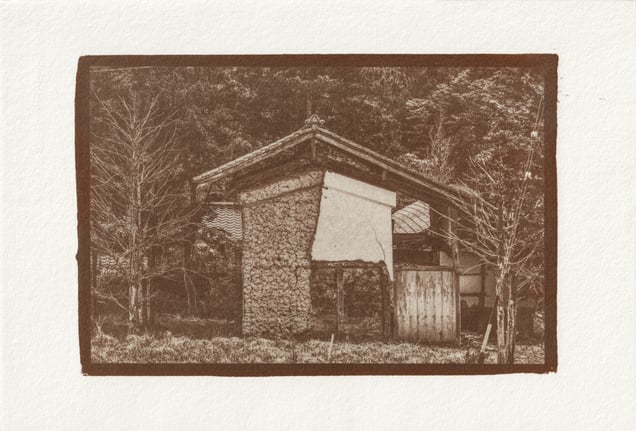
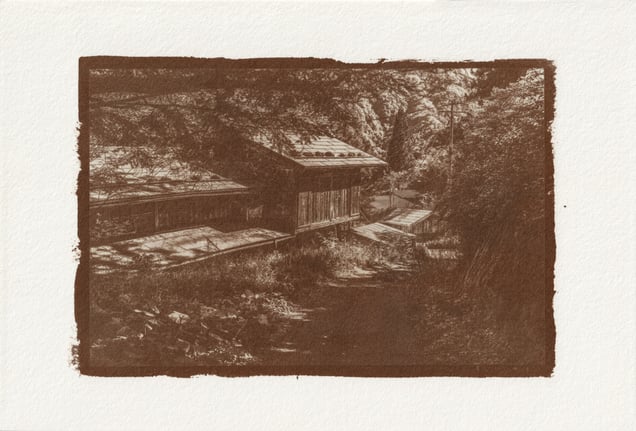
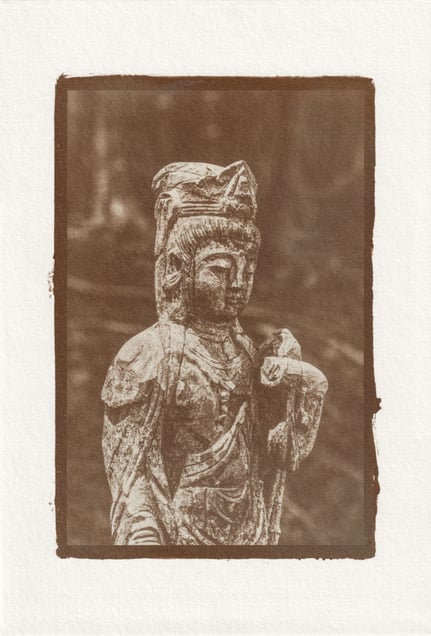
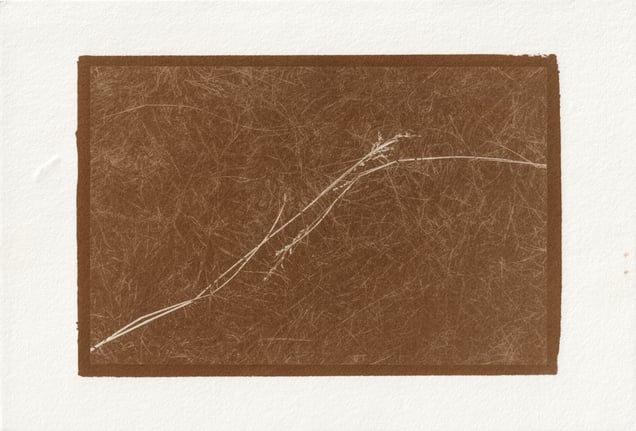
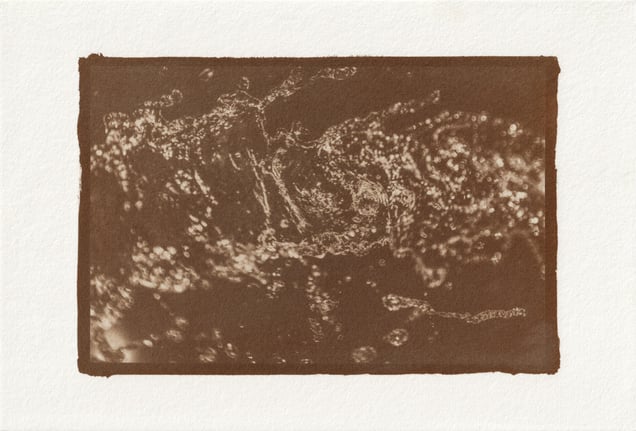
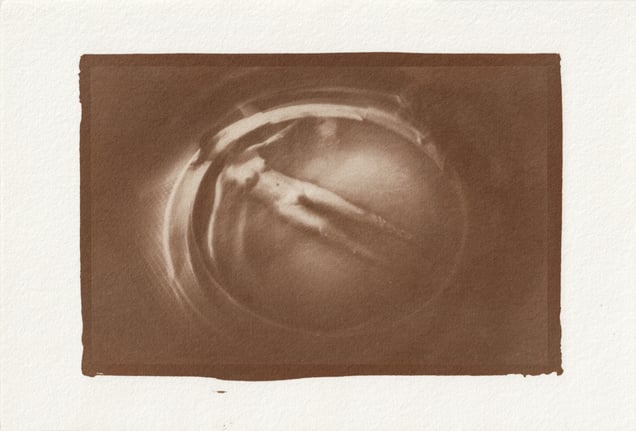
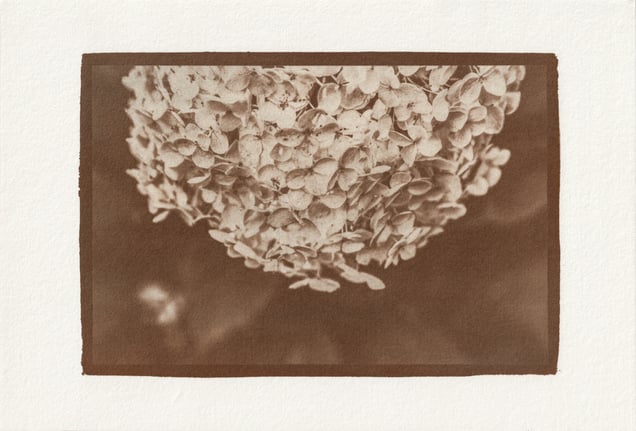
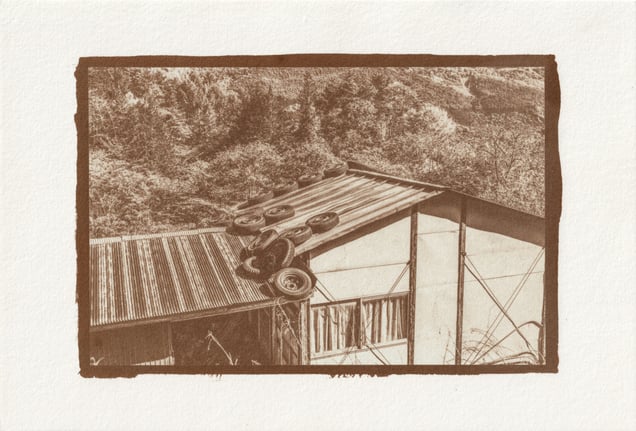
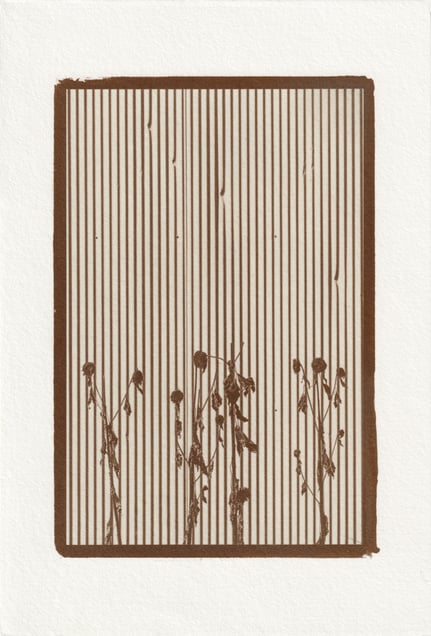
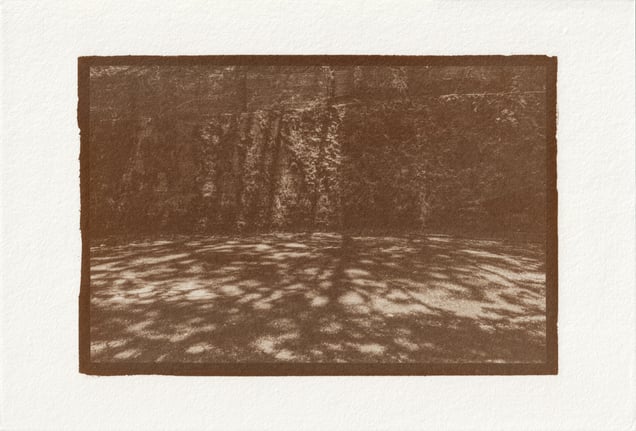
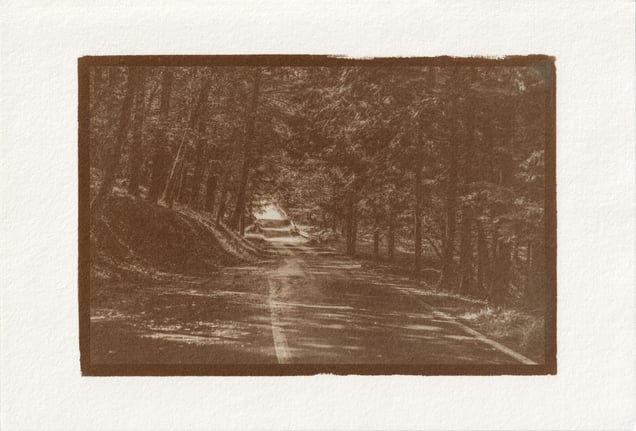
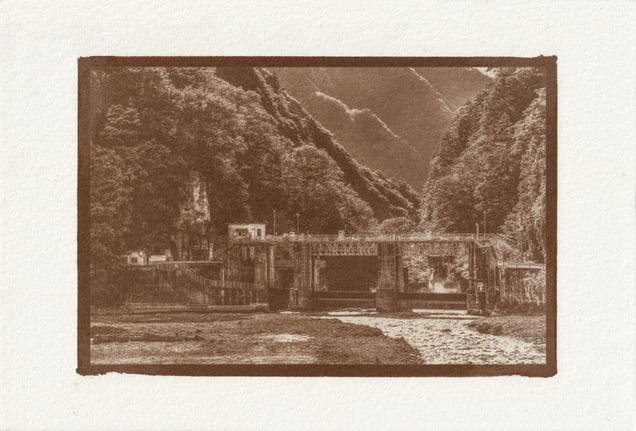
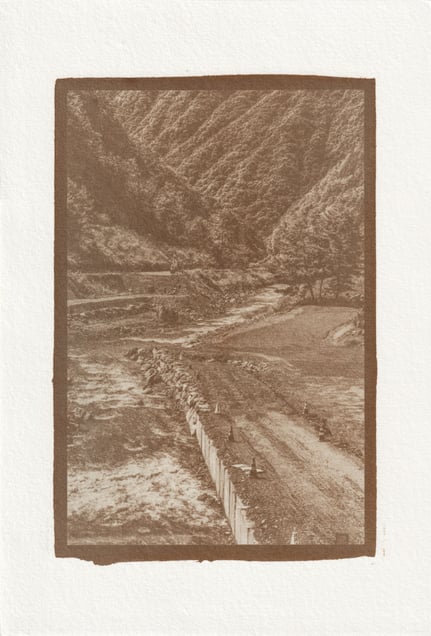
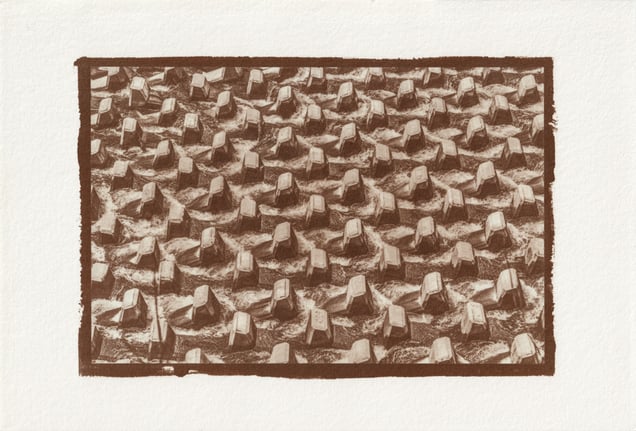
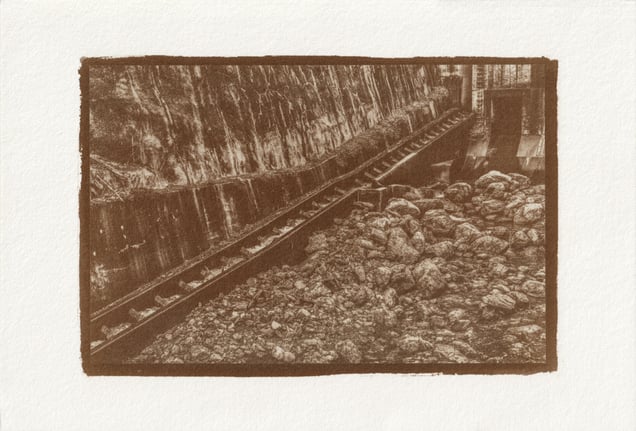
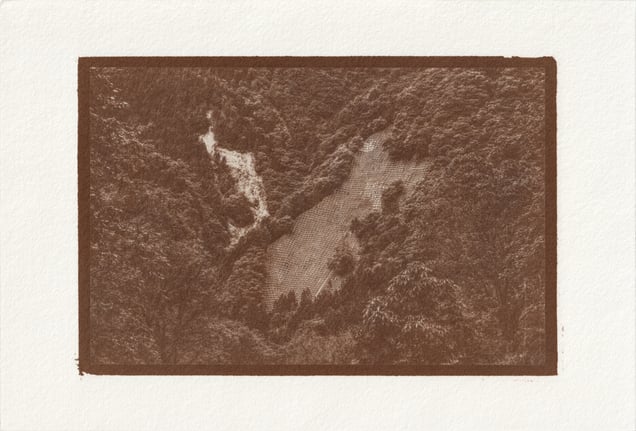
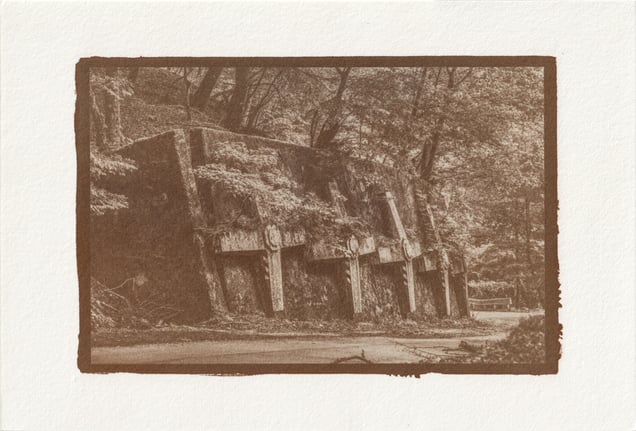
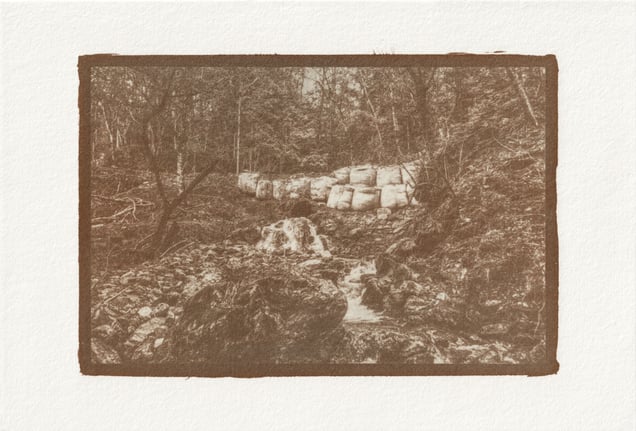
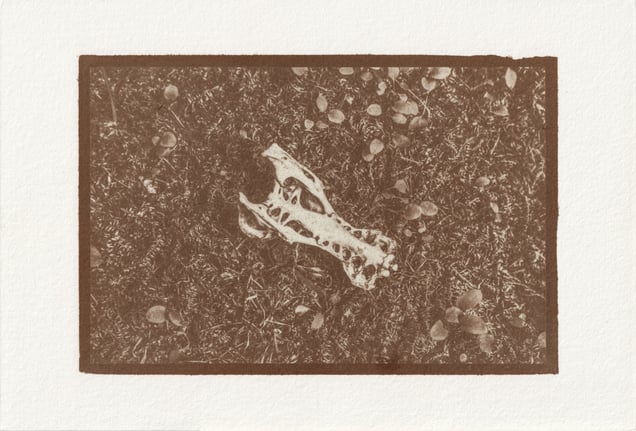
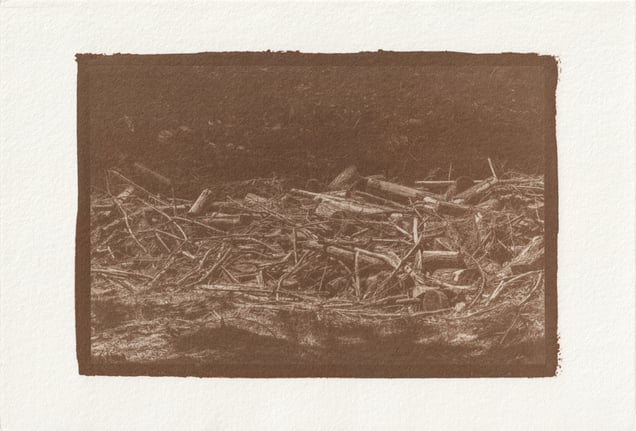
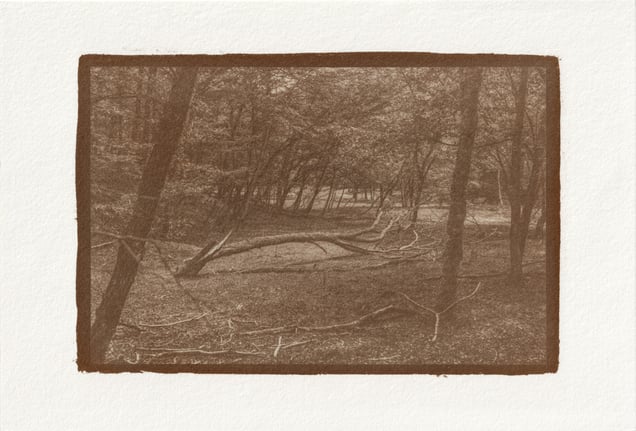
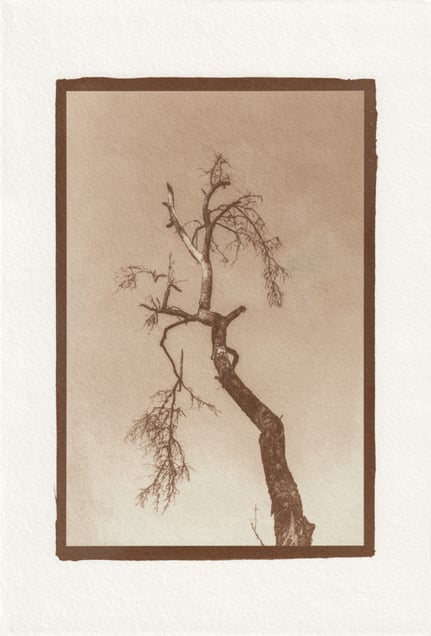
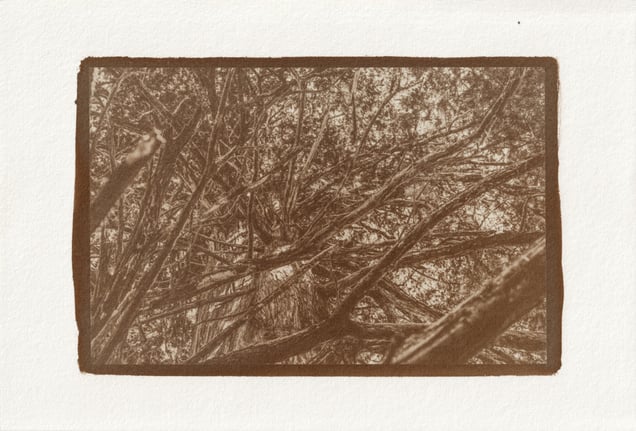
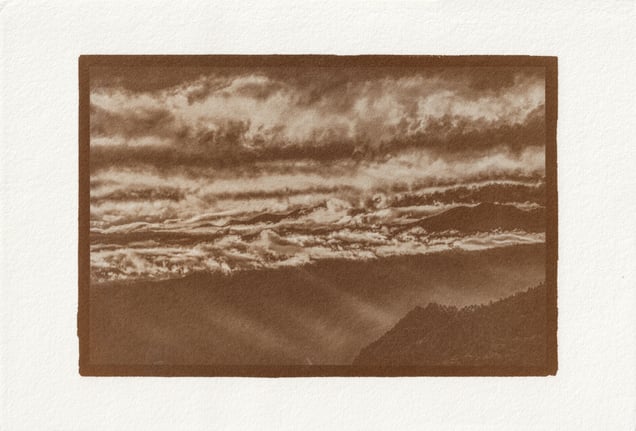
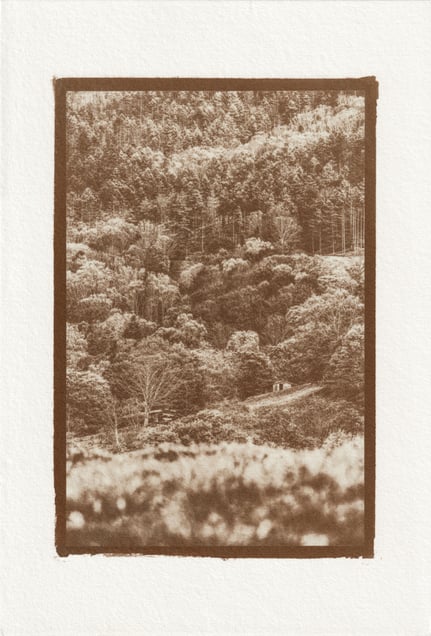
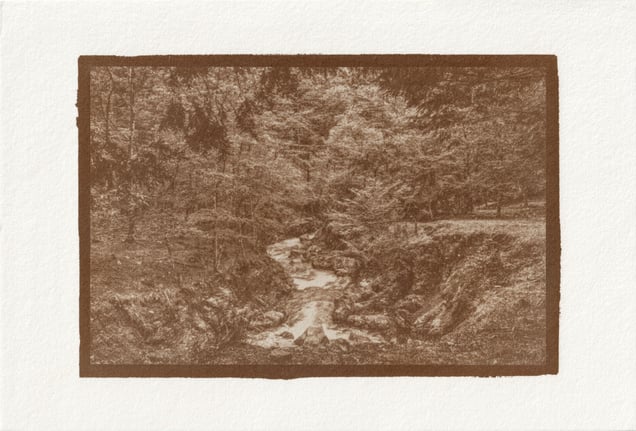
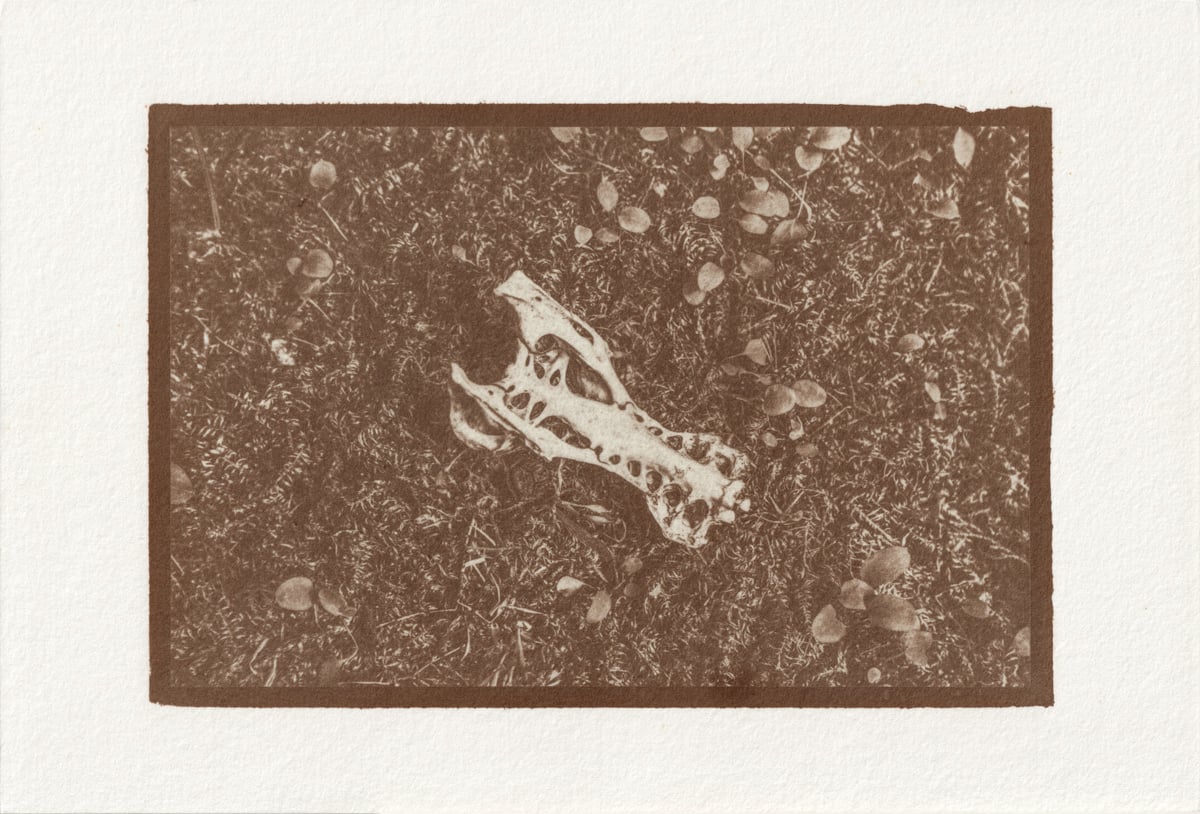
A remote, mountainous land where torrential streams carve deep valleys. That which collapses and that which is born are ceaselessly intermingled, shifting and transforming. Kashio, Nagano Prefecture. Despite being deep in the mountains, this place holds salt-rich springs. Drawn by this singular water system, I came here—and in time, I was pulled into the flow of this land’s temporality. A decayed bridge, buried structures, deer roaming freely along the riverbanks. Landslides and floods reshape the terrain, and in resistance to these forces, human hands continue to intervene. New erosion-control structures are built; pristine tetrapods line the river’s edge. Yet they too gradually merge with nature, eventually collapsing, decaying, and being removed. The boundary between the artificial and the natural quickly becomes ambiguous, and resisting and assimilating are revealed as parts of a single, continuous act. This circulation is not mere repetition. Time feels less like a closed loop and more like a spiral—circling while subtly shifting forward. It seems to return to the same place, yet transforms into a slightly different form each time. It evolves and deteriorates, expands and contracts. The cycle of destruction and regeneration in nature is not an opposition, but two sides of a single current. There, I perceived a rhythm of time that returns yet never reverts to what it once was. To hold onto this memory, I chose the salt print process. The salt spring water of Kashio has a salinity close to that of seawater and can be used without adjustment. By soaking paper with this water and allowing it to react with silver, an image is formed. When water born of the land is inscribed into the work, the landscape and the print become inseparable. And yet, the image begins to change the moment it is completed. In time, it may fade; its contrast may soften; its form as a record may transform. This transience is a visualization of time’s passage—a residual image that appears between memory and forgetting. The flow I witnessed in this place overlaps with the very condition of the work itself. Existence continues by changing form. The land, the people, and this work are all within a spiraling current of continual transformation.
Photos (45)