Imong
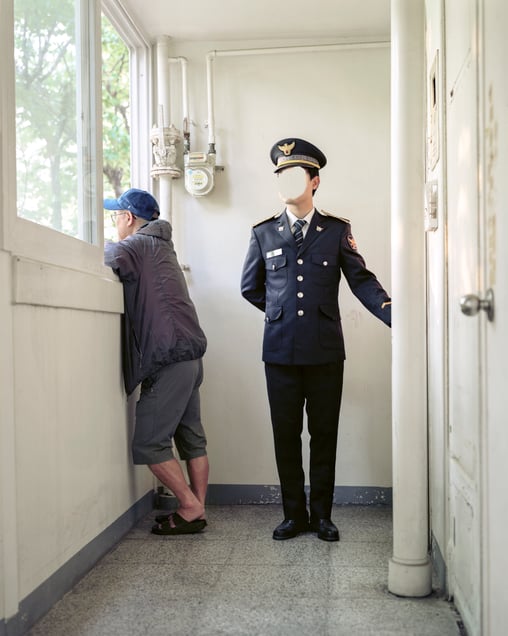
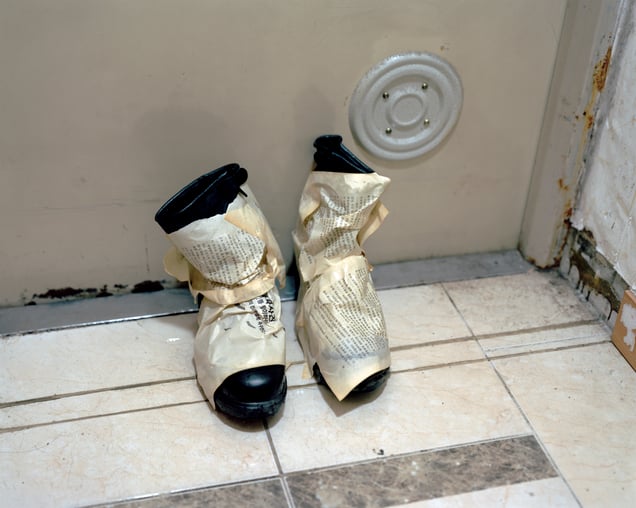
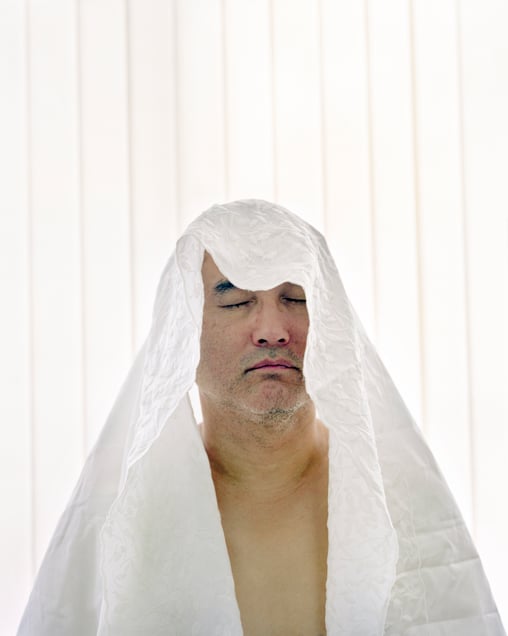
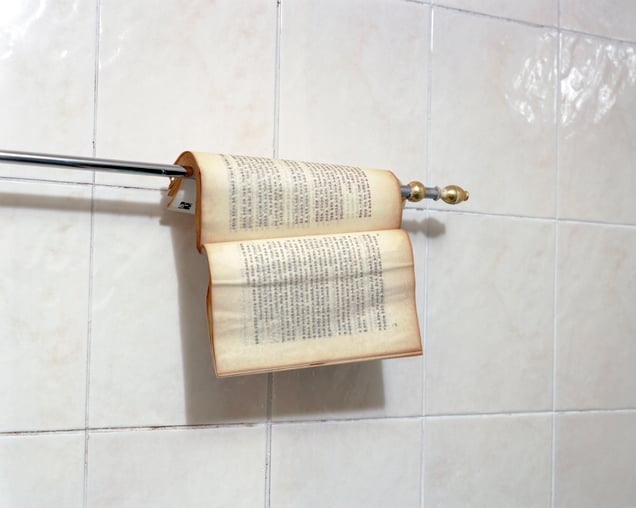
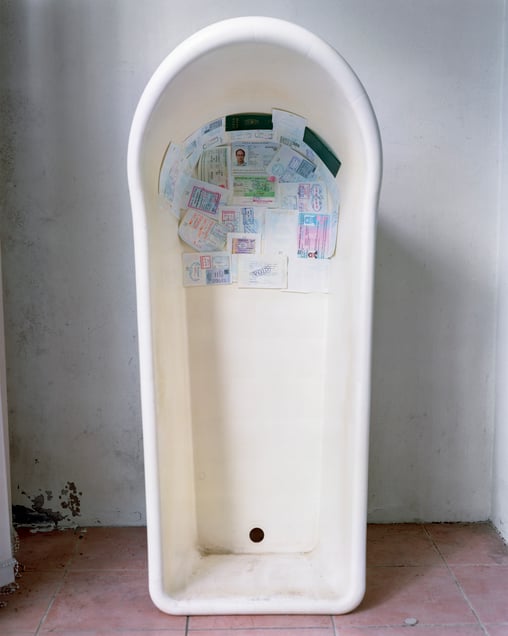
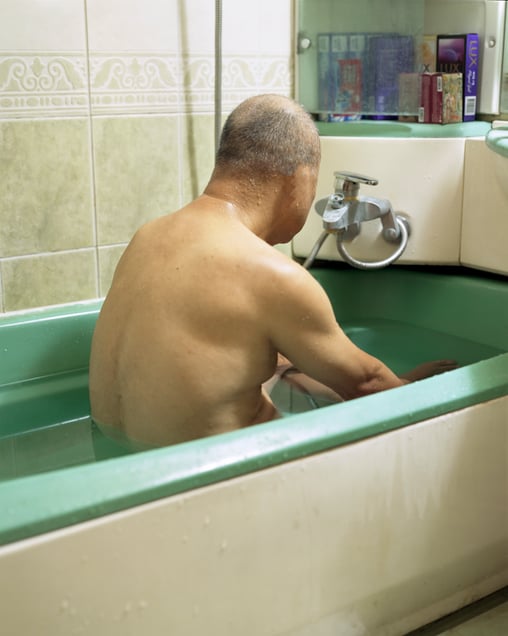
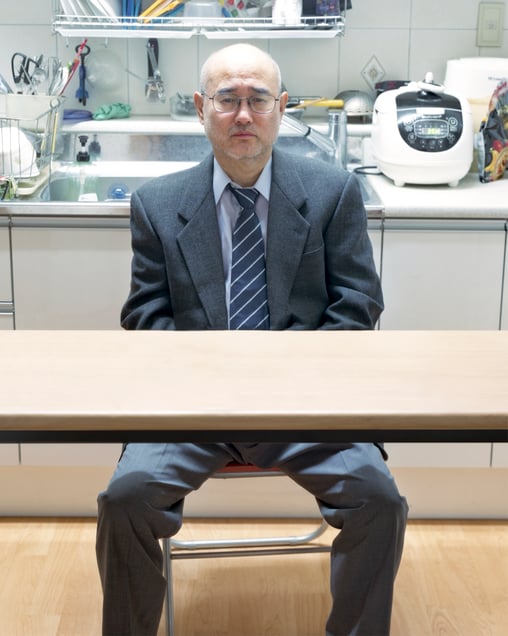
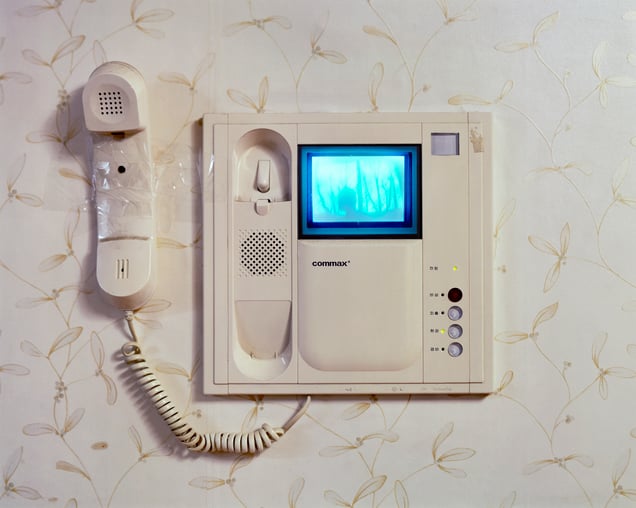
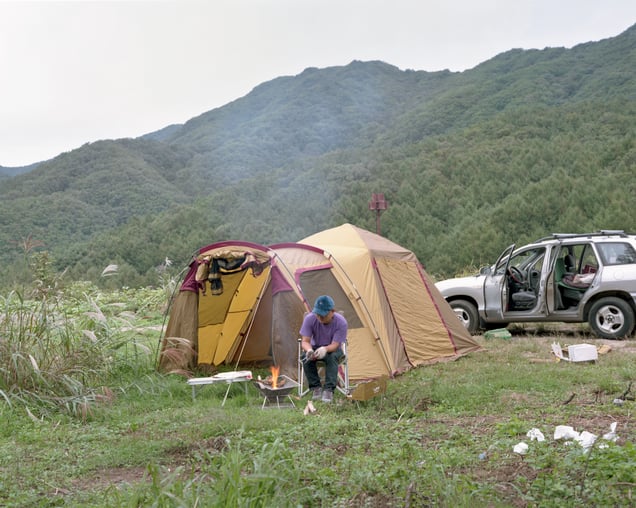
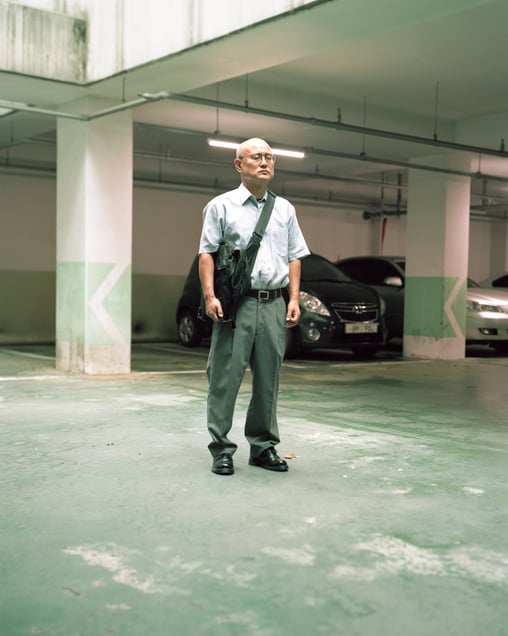
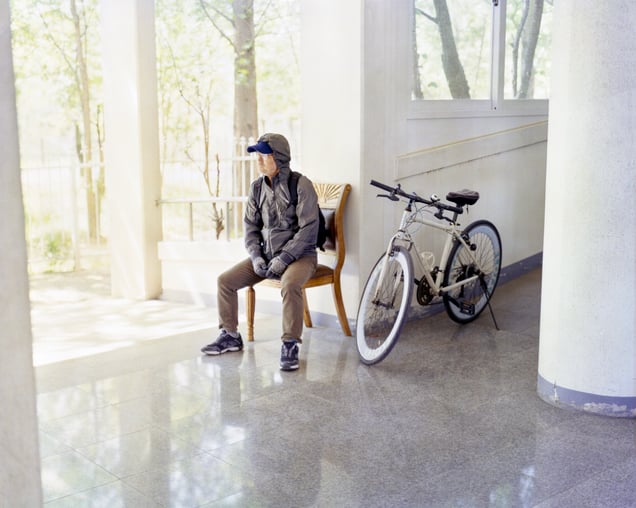
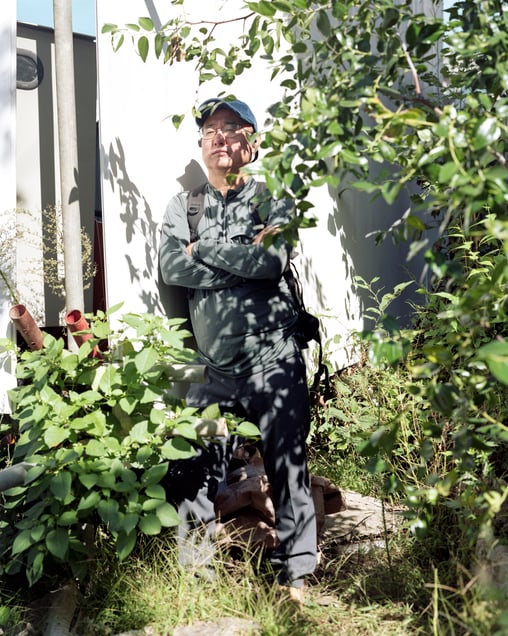
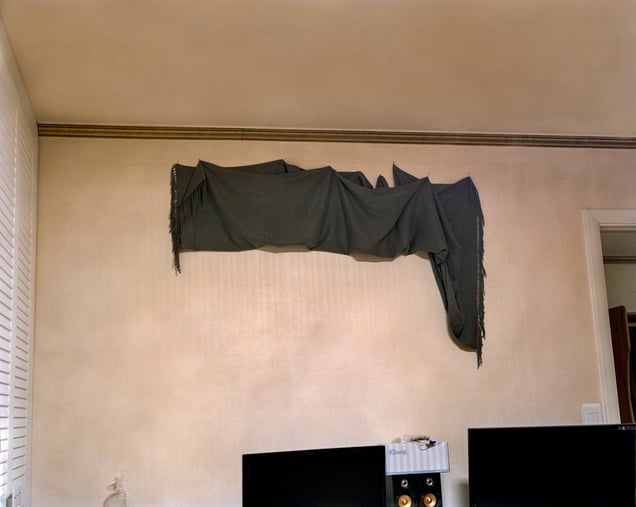
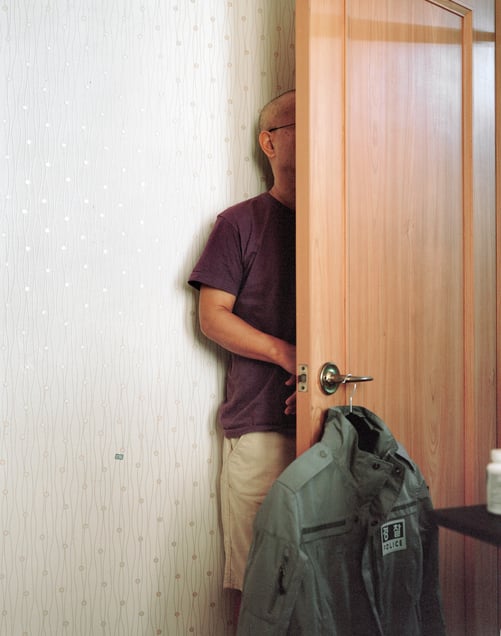
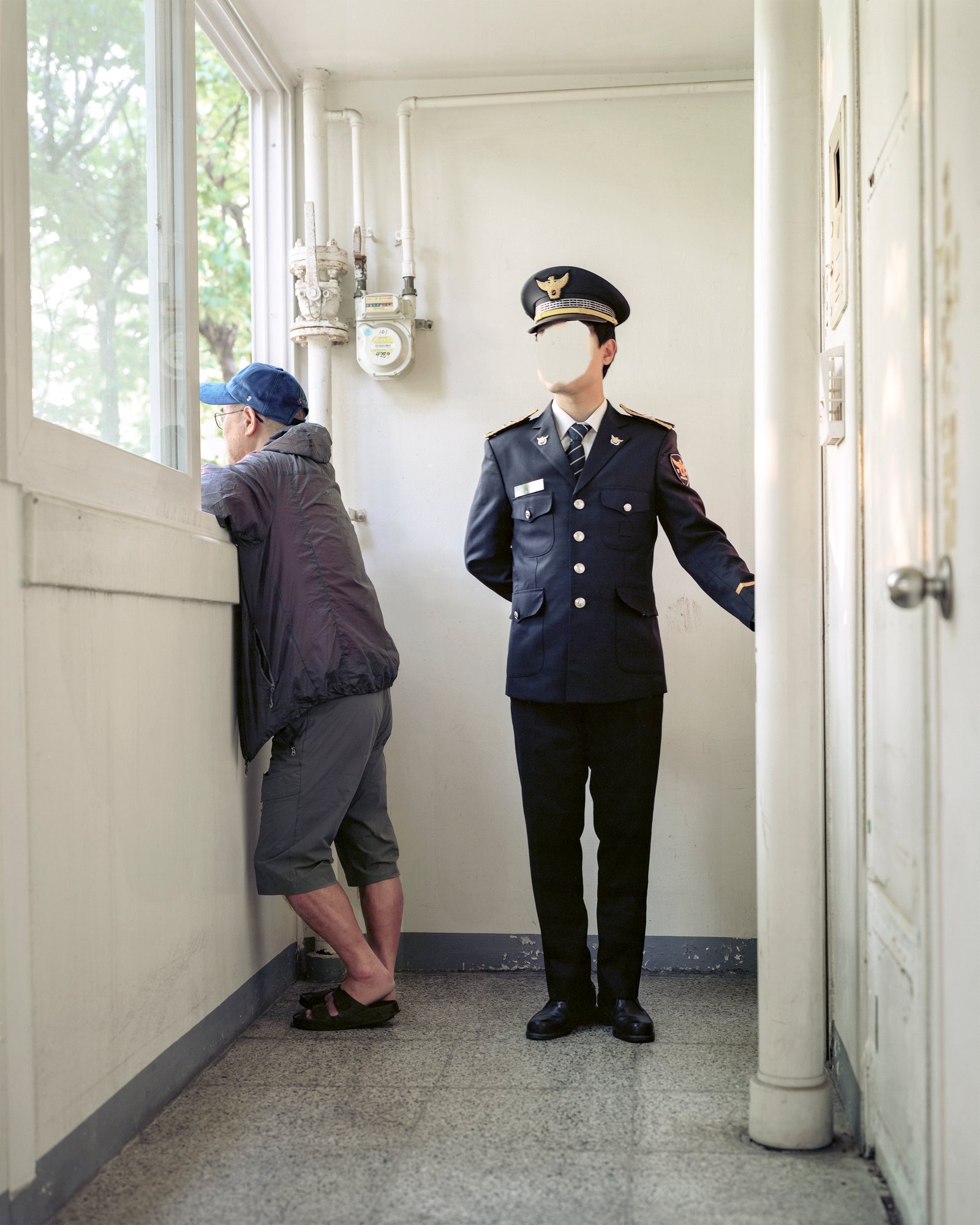
During the 1980s military regime in South Korea, Yeon-In Kim, born in South Chungcheong Province, was expelled from university for participating in the democracy movement. He later founded a publishing house called “Him.” He continued his activism, serving a total of fifty-two months in prison under the Public Order Act and the National Security Act between 1983 and 1994. In 2003, a document recognising his contribution to democratisation was delivered to his home. In 2019, his son became a policeman–a subtly disorienting twist in their family history. This work explores a society that failed to protect the individual, and a man who lived through what could only be described as a surreal dream. Imong (이몽), which means “different dream”. Through the perspective of his daughter, the photo series examines how the violence and oppression of the state continue to linger, and attempts to understand what defines him at present. I was eight when the document arrived. I remember asking my mother what “Minjue” (democratisation in Korean) meant while staring at the compensation written with seven zeros. I later discovered irony in my brother's story, who became a policeman long after the country had become democratic. This speaks both to a history of dictatorship that my generation could never imagine and to his emotional conflict when confronting his son in uniform. In these photographs, he appears as the protagonist in an almost fantastical scenario, returning to the very places where he was once arrested and tortured, but now standing tall, quiet, composed, and dignified. This photographic space recreates an era that once felt like a surreal fantasy, materialising intangible memories and emotions into a tangible form.
Photos (15)