
The Grace of Letting Go
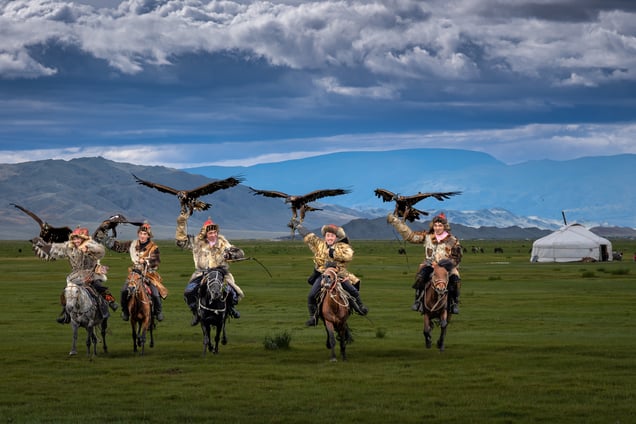
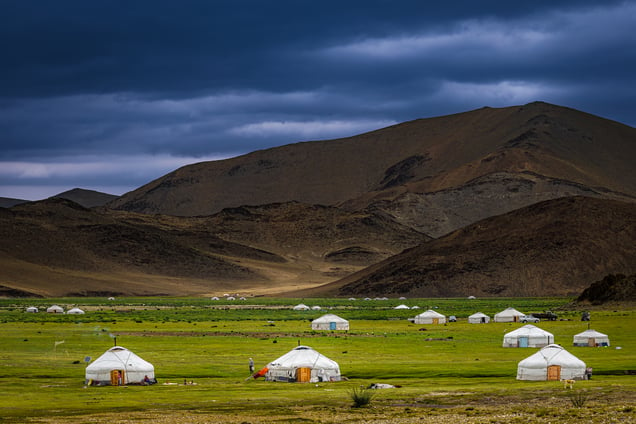
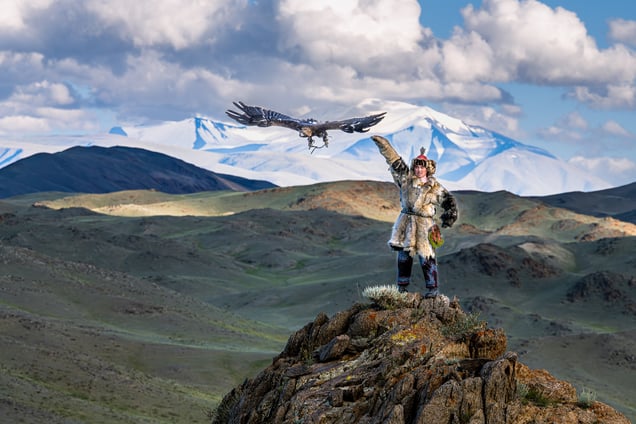
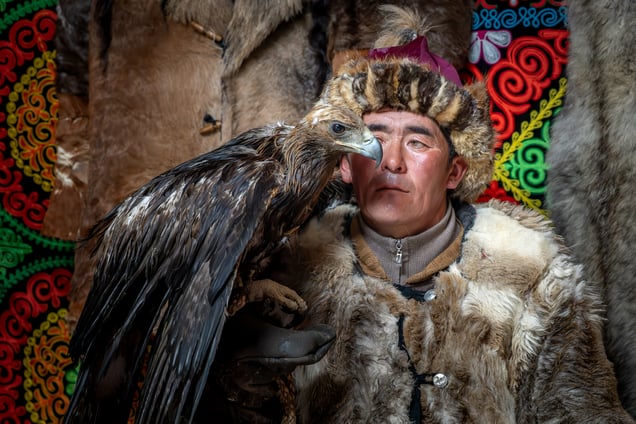
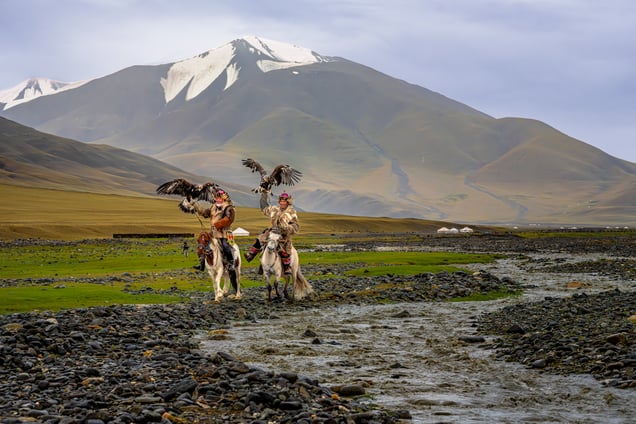
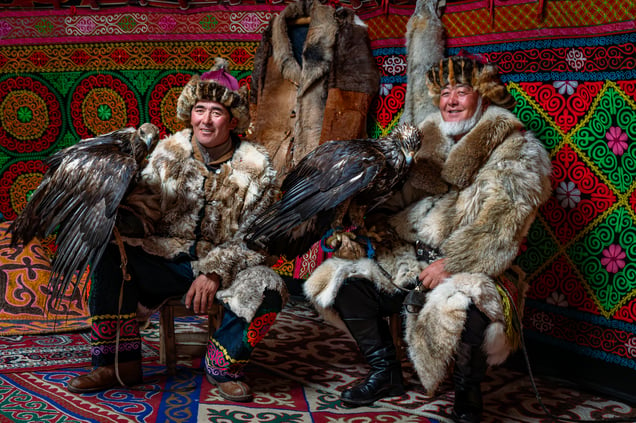
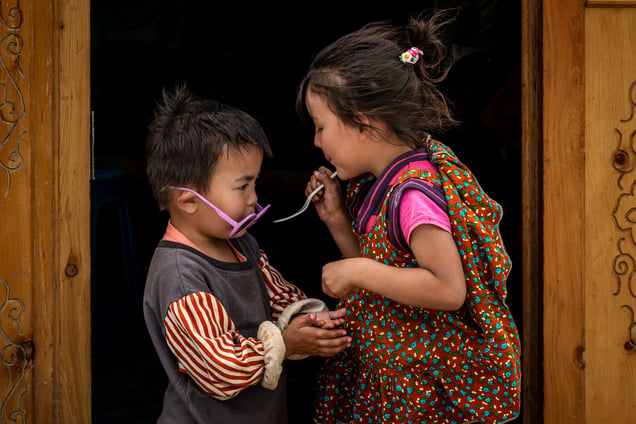
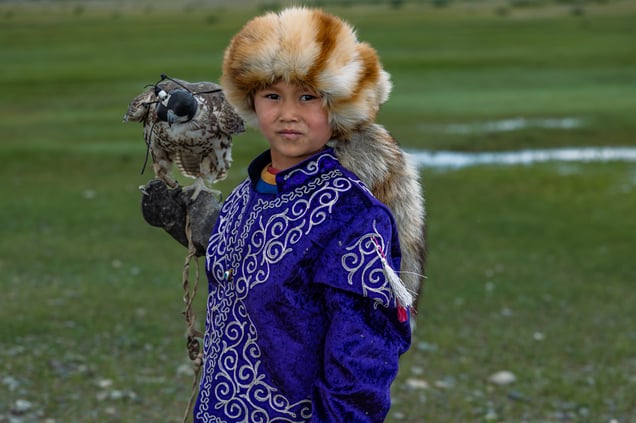
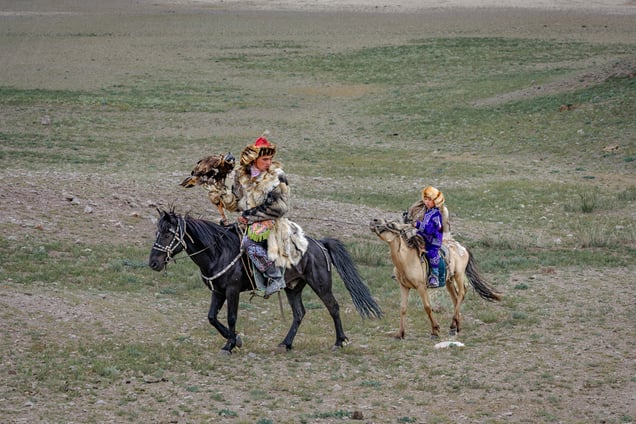
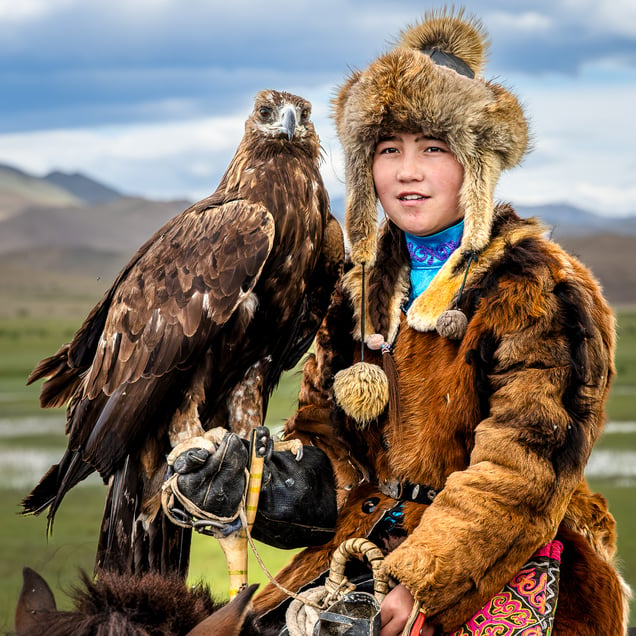
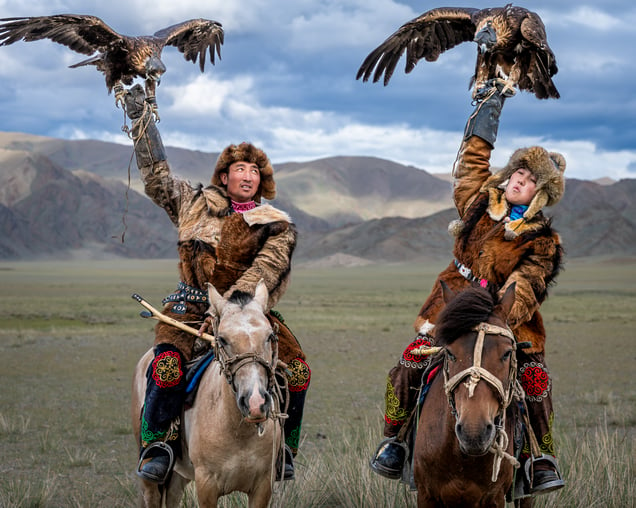
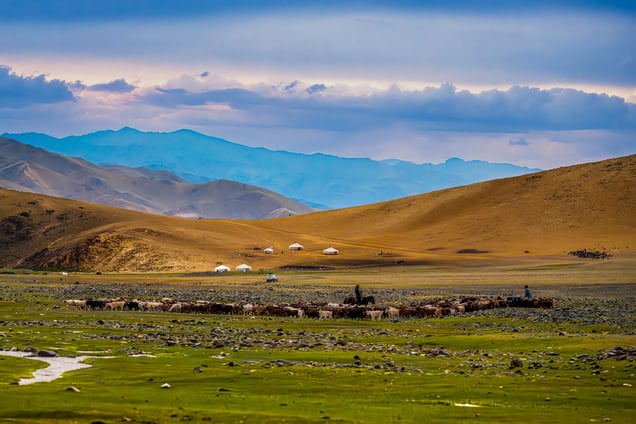
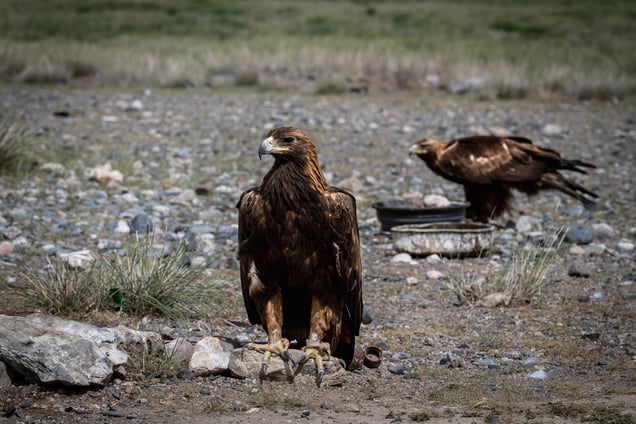
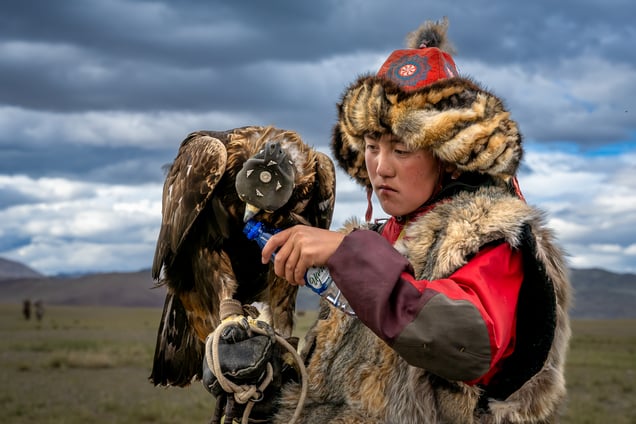
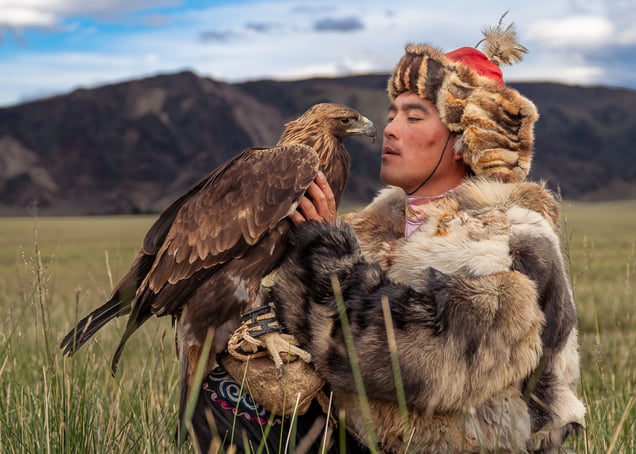
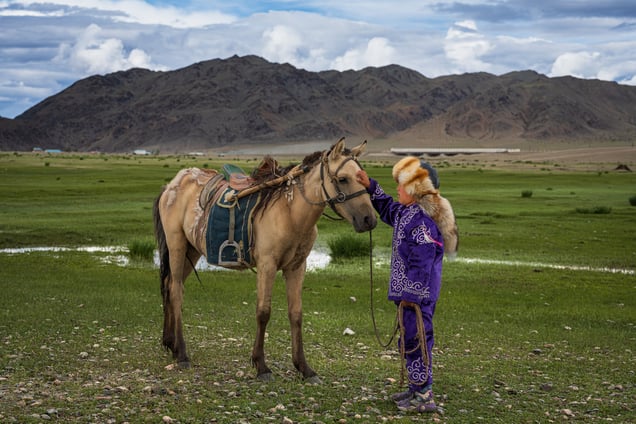
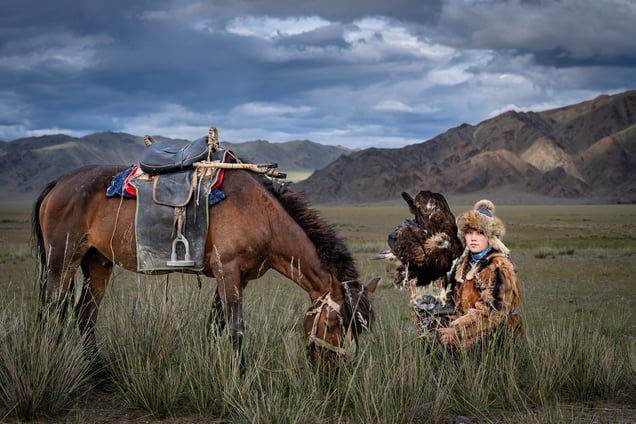
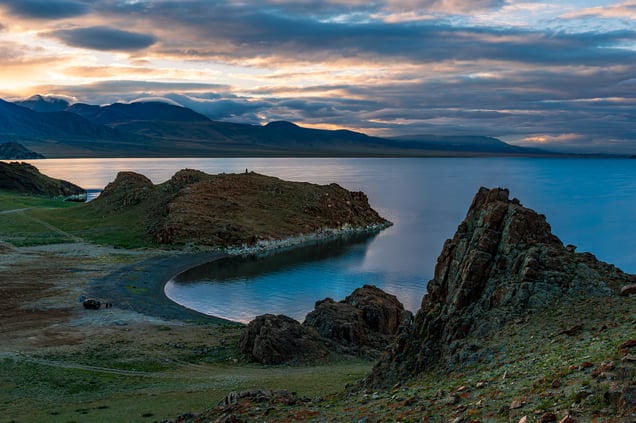
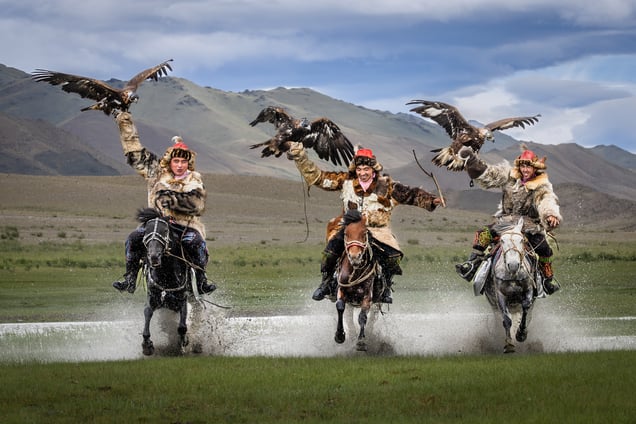
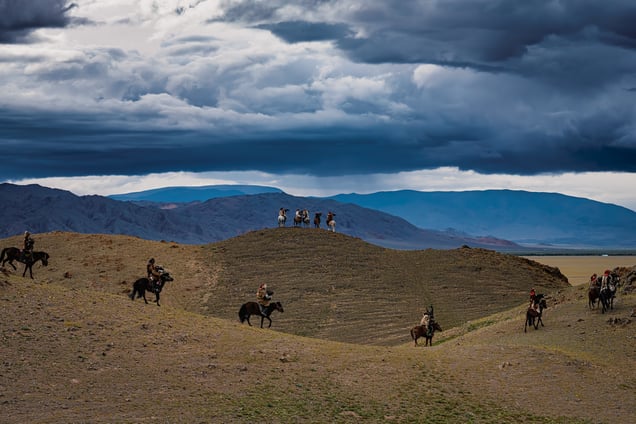
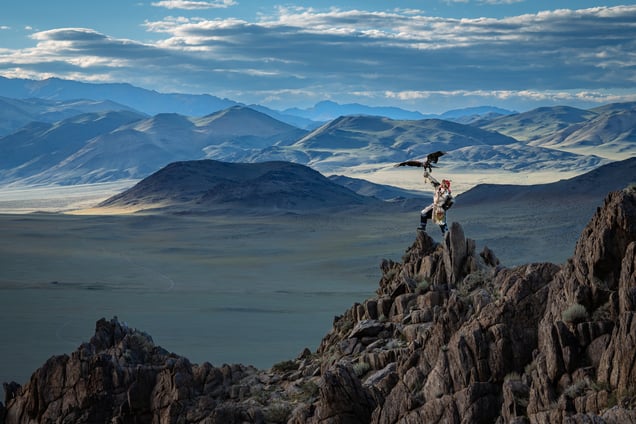
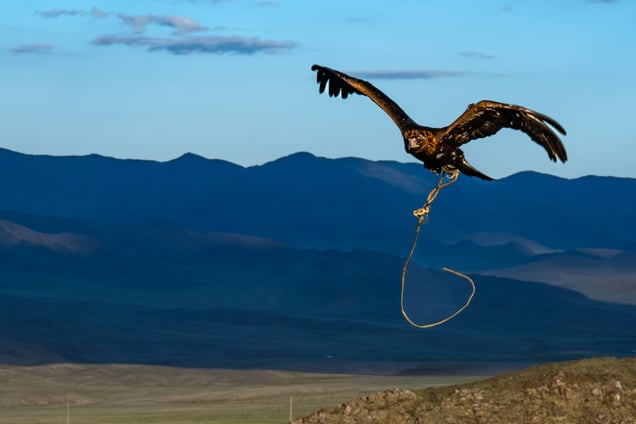
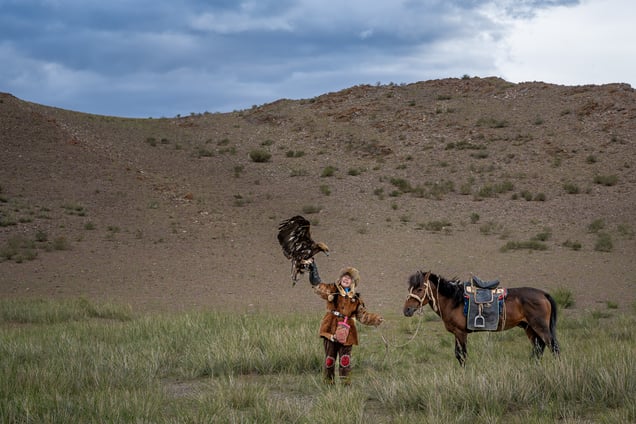
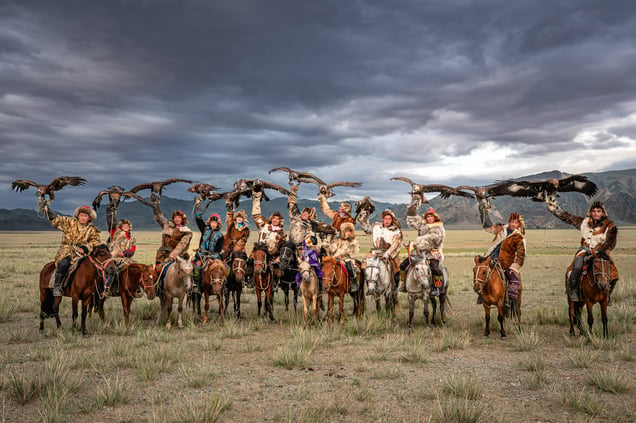
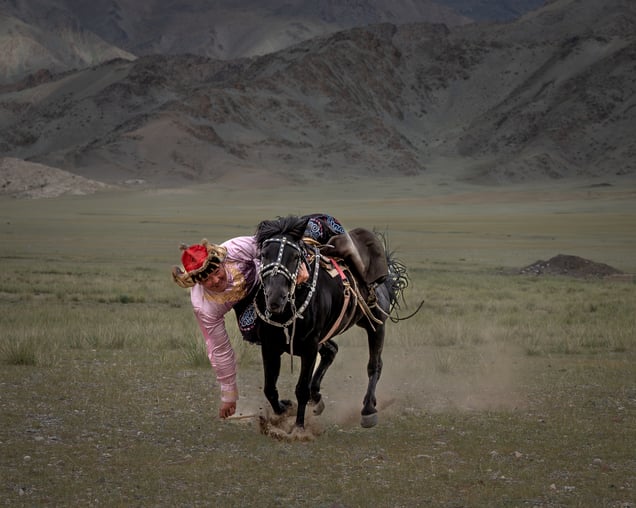
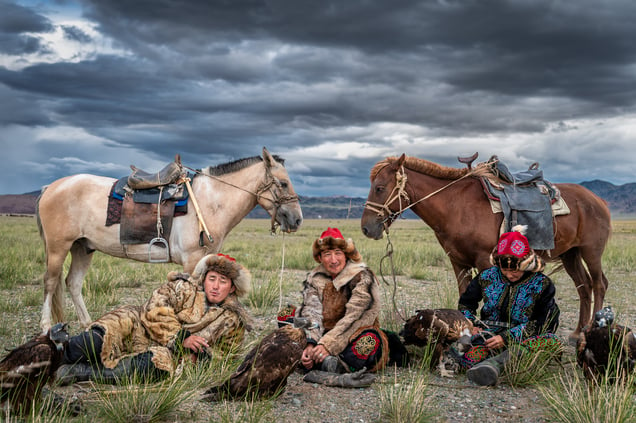
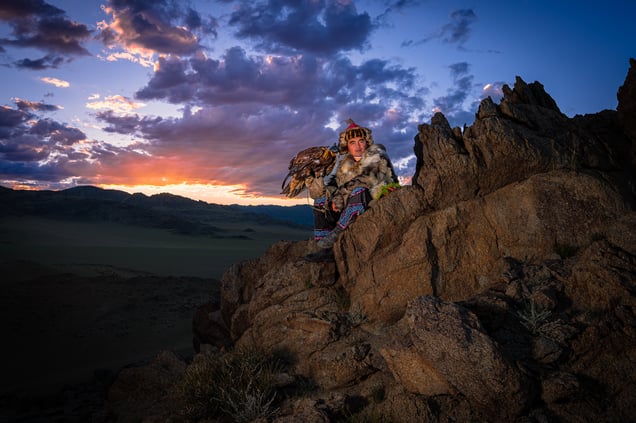
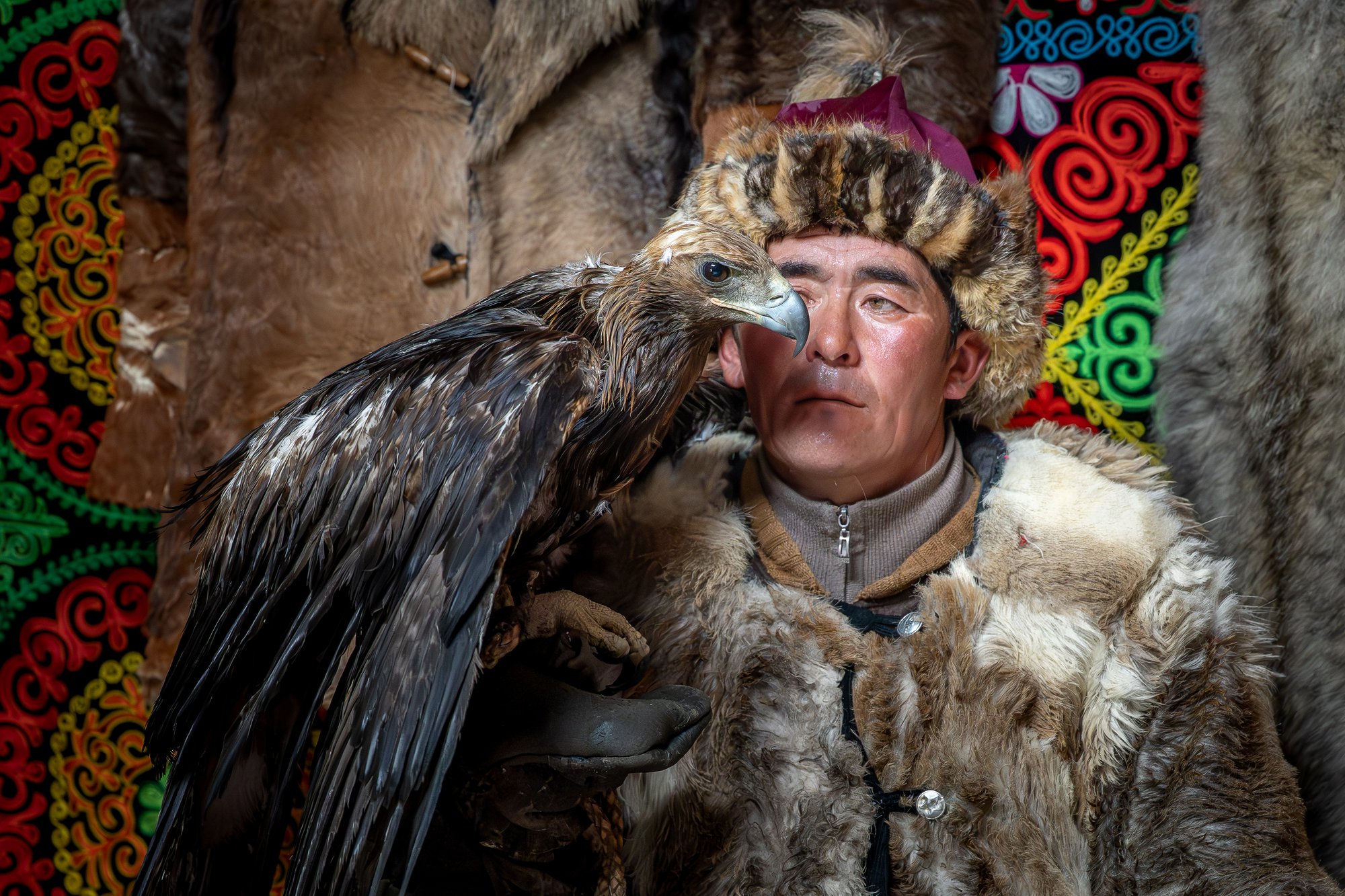
The most enduring bonds are not those we cling to, but those we are strong enough to let go – with humility and grace. This is something the Kazakh eagle hunters of northwest Mongolia's Altai mountains have always known — not as philosophy, but as lived practice, encoded in a tradition passed down across generations through the vast, unyielding landscape they call home. Eagle hunting in the Altai is not a sport, nor is it performance. It is a form of coexistence refined over centuries, in which a wild bird of prey is taken from nature as a fledgling, raised with extraordinary intimacy, and trained to hunt alongside its human partner across some of the most forbidding terrain on earth. The bond that develops between the hunter and the bird is real and deep — woven from years of daily proximity, mutual dependence, and the slow accumulation of trust. Yet the tradition contains within it a profound act of renunciation: after ten to twelve years together, the eagle is released back into the wild. There is no attempt to hold on, no claim of ownership — only an understanding that the stay together was always temporary. The Kazakh hunters speak of this not as loss, but as an expression of gratitude — a recognition that what nature gives, it is right to return. It is this paradox that lies at the heart of The Grace of Letting Go. Following the family of Serik Jenisbek — an eagle hunter who knows his own separation from his eagle is approaching — the project moves between epic sweep of the mountain landscape and the quiet of a single glance between man and bird; between ancient inherited ritual and the tender ordinariness of children at play in a ger doorway. It documents how knowledge and love pass from father to son through presence and motion, and how Aimoldir, a fourteen-year-old girl, is rewriting the boundaries of who this tradition belongs to — earning her place not through defiance, but through patience, skill, and the unwavering support of her father. In doing so, she holds both the inheritance of her culture and its quiet evolution. The images in this series were born out of time spent in Altai in the summer of 2023, alongside Serik and his family, eating at his father's table, watching his little boy reach for a bird far too large for his small arm. What I found there was not what I had come looking for — spectacle, ritual, the surface drama of the hunt. What I found instead was a quiet philosophy of existence: that connection does not require possession; that nature is not a resource to be managed but a relationship to be honoured, and that the deepest form of love is the kind that you are prepared to let go.
No categories selected
Photos (27)