
Africa Soap: A Struggle for Survival and the illusion of a Better Life
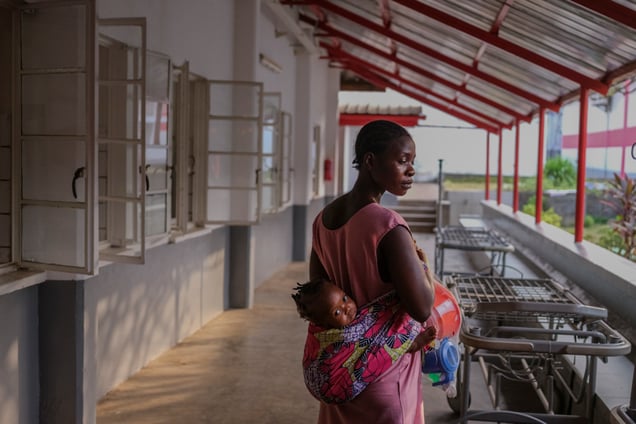
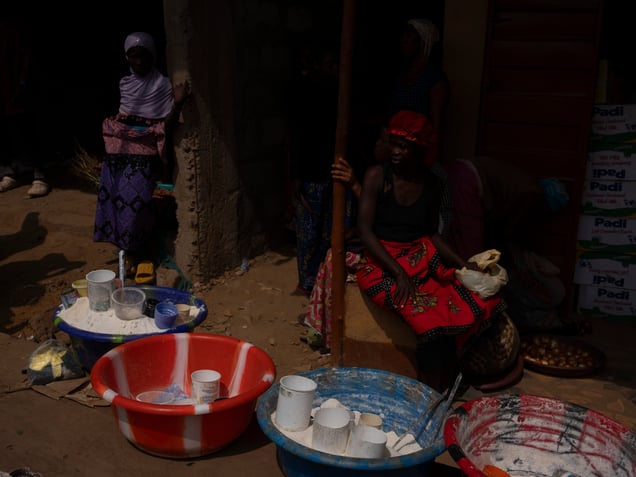
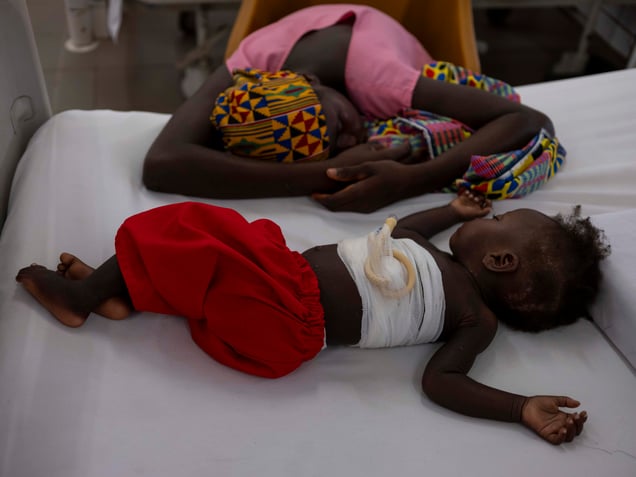
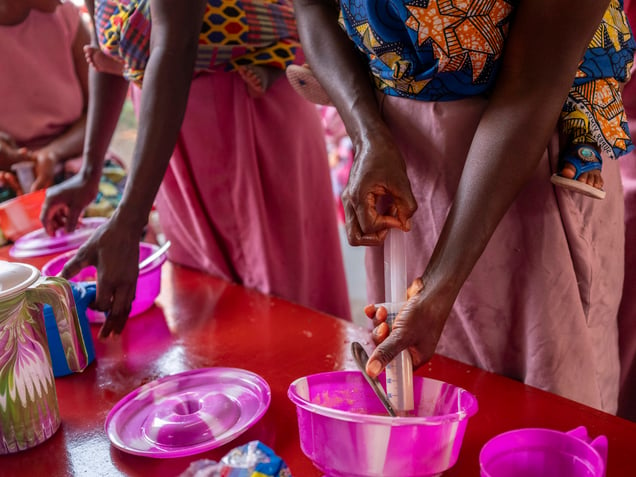
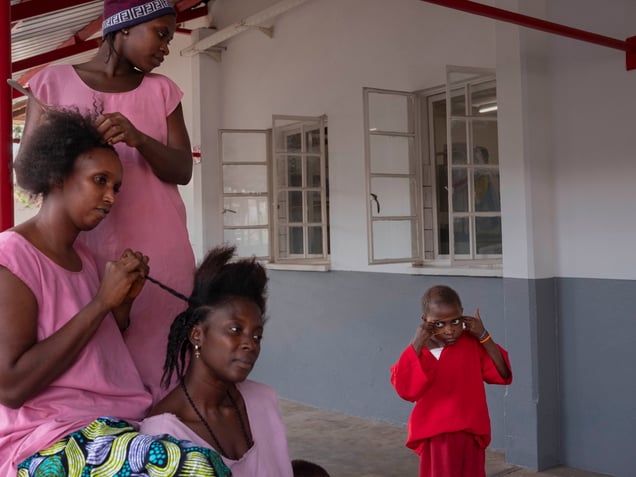
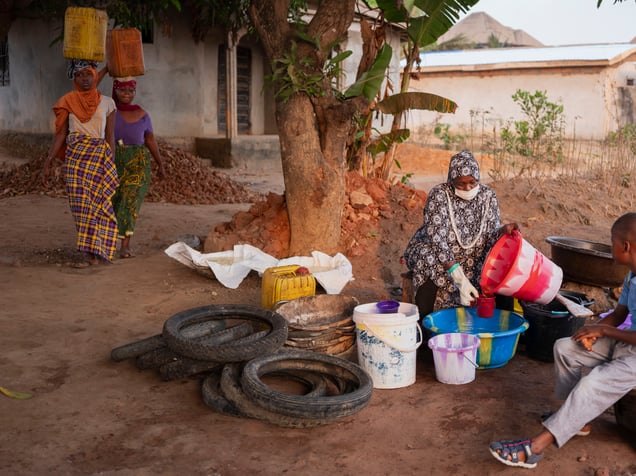
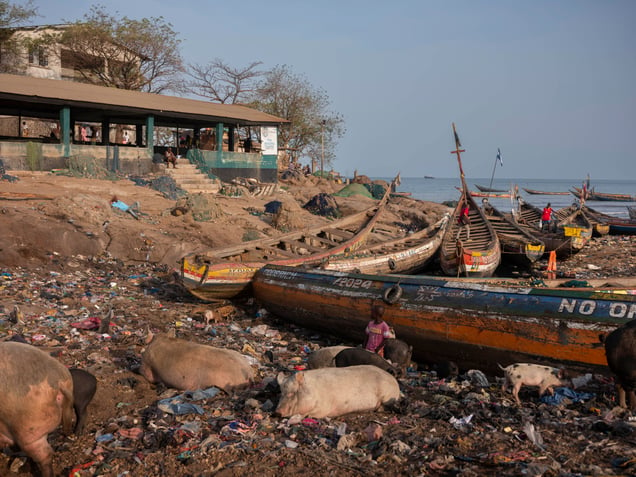
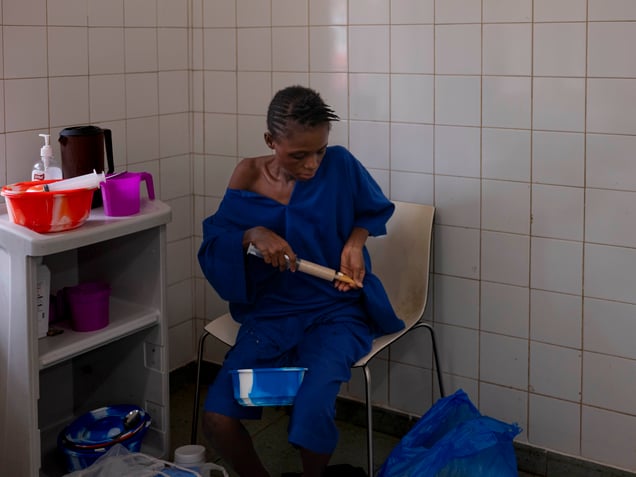
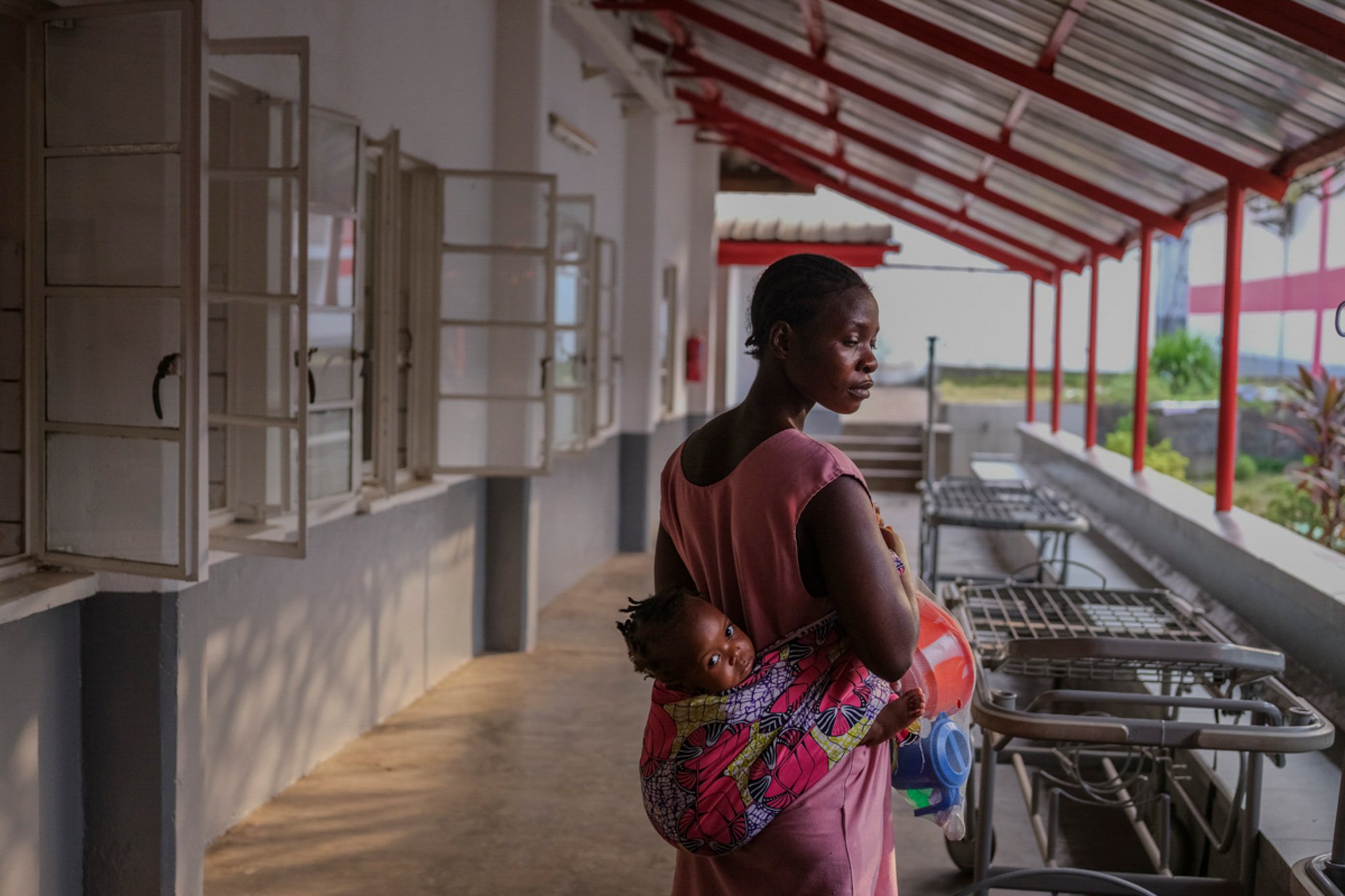
In Sierra Leone, producing African soap is a lifeline for many families. Made with caustic soda, water, and palm oil, this affordable product is a staple for laundry and personal hygiene, despite its harsh smell and lack of skin benefits. Families like Aminata’s contribute to small-scale businesses, assisting their mothers and aunts in crafting soap sold at local markets. For women, this income is vital to support their households, and with slight tweaks to its formula, the soap doubles as shampoo. However, the same caustic soda that makes this soap accessible also poses a severe risk. Accidental or intentional ingestion—particularly by children—can cause devastating burns and trauma. At EMERGENCY Hospital in Goderich, Sierra Leone’s only facility specializing in soda-related injuries, medical teams tirelessly treat these cases. Children arrive with severe burns, often from accidental consumption, though some, like Aminata, suffer from intentional harm by mothers driven to despair by poverty or domestic violence. The hospital provides critical care, including surgeries and esophageal dilation to help children recover and, when successful, remove gastrostomy tubes so they can eat and drink normally again. Yet, while physical wounds may heal, the emotional scars linger. Poverty, violence, and a lack of mental health support trap many families in a cycle of hardship. The "Soda Program" began in 2005, and in 2024, the Center performed a total of 546 surgical procedures for the treatment of corrosive esophageal injuries. Despite resource constraints, EMERGENCY Hospital remains a beacon of hope, offering specialized trauma and burn care unavailable elsewhere in the country. In a nation where reliance on cheap goods like African soap reflects a broader fight for survival, the hospital provides not just treatment but a chance at recovery and a better future. Addressing this crisis, however, demands more than medical intervention—it requires tackling the intertwined issues of poverty, education, and emotional well-being.
No categories selected
Photos (10)