
Yemen - Antiquity at the Crossroads
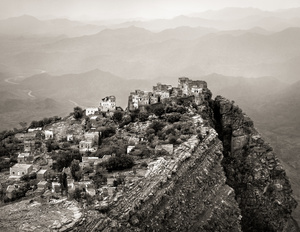
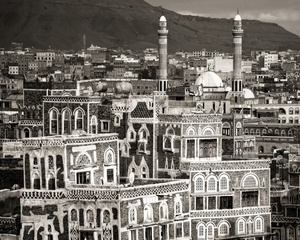
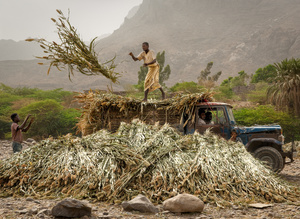
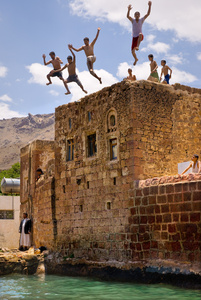
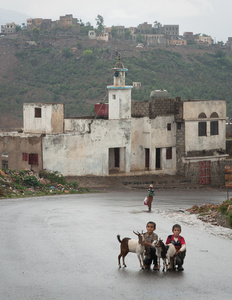
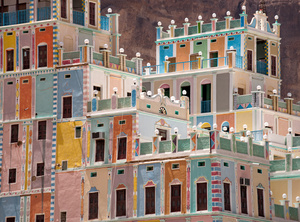
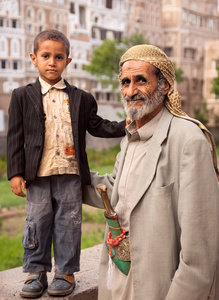
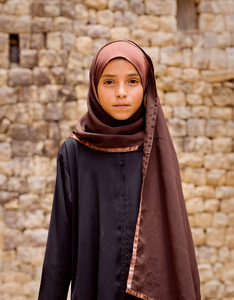
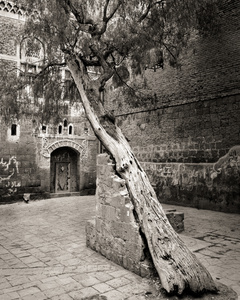
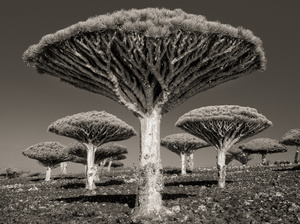
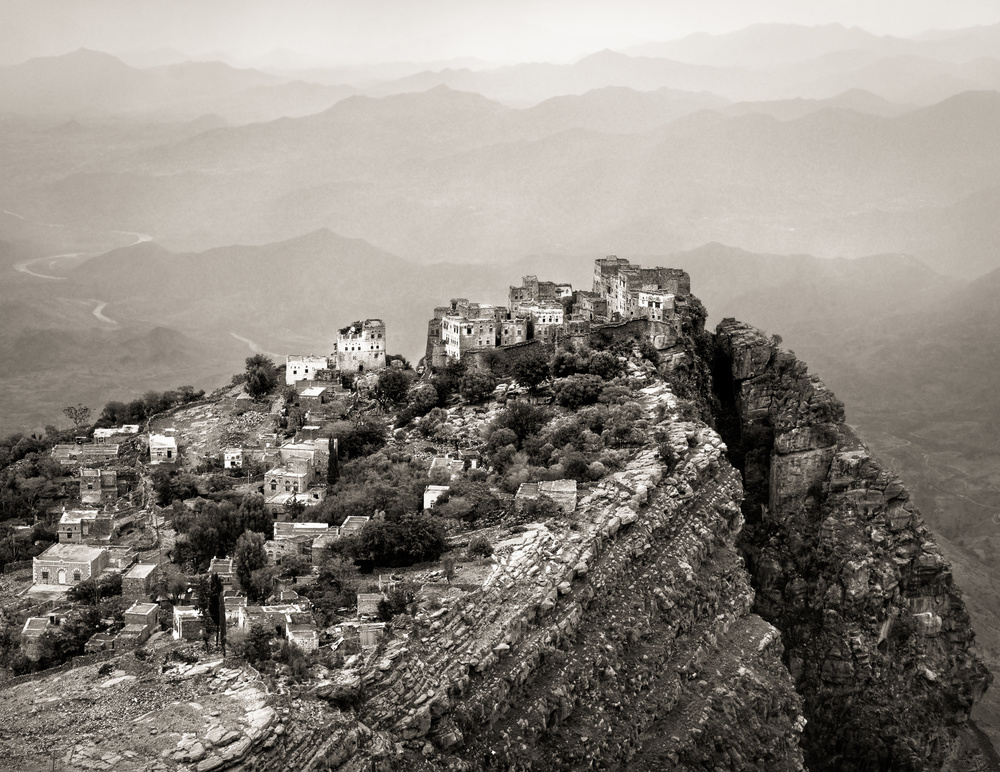
Sana'a, Yemen's capital, is the oldest continuously inhabited city in the world. Legend has it that Sana'a was founded by Noah's son Shem after the ark landed. In a popular Yemeni joke, God returns to see what has changed on Earth over the millennia. An angel flies him over Europe and God doesn’t recognize anything. The same happens over America and Asia. Finally the angel guides them over Yemen, and God says “Oh, just like I left it!” I travelled to Yemen in 2010 to live with a friend and photograph for his book. The landscape that I came to photograph was much more visually diverse, and historically richer than I expected. The easily defended cliff-top towns of the western Haraz Mountains are known as “the graveyard of the Turks.” The Wadi Hadhramaut, in eastern Yemen, is home to Shibam, “the Manhattan of the desert,” a 500 year old skyscraper city made of mud bricks, and a religiously conservative area that is the childhood home of Osama Bin Laden's father. The Island of Socotra, “the Galapagos of the Indian Ocean,” is a rugged paradise of pristine beaches, towering cliffs, and life found nowhere else, including the fabled Dragon’s Blood Tree. Yemen’s people are some of the world’s poorest, and as I travelled, I kept coming back to historian William Cronon’s observation about Native Americans “living richly by wanting little.” Yemen is on the cusp of complex political and environmental disasters that may soon put an end to this centuries old lifestyle, transforming it, as the New York Times recently wrote, into “the next Afghanistan.” All this aded a sense of duty and urgency to each day’s photography. When Yemen is in the news, there are plenty of photojournalists in the capital, but it was a rare opportunity to travel throughout the country and photograph with more artistic intent.
No categories selected
Photos (10)