
Small Towns, Black Lives
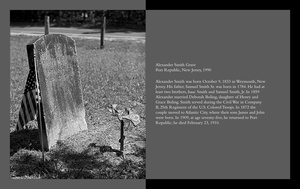
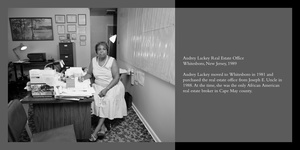
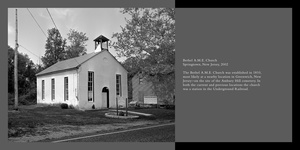
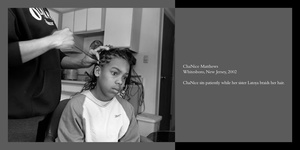
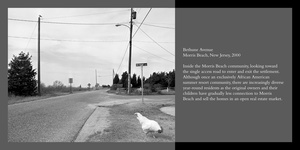
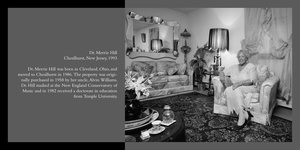
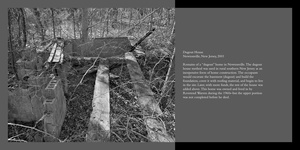
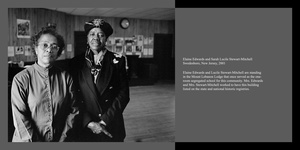
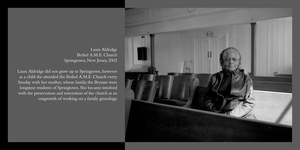
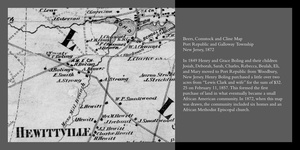
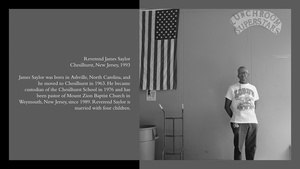
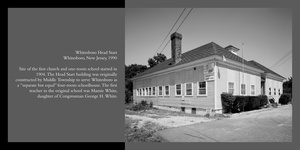
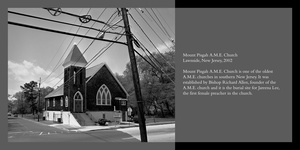
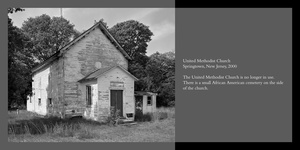
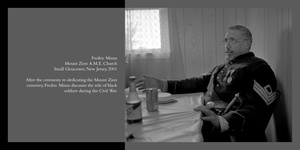
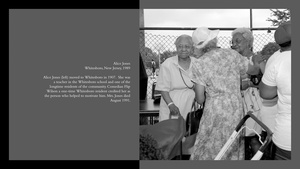
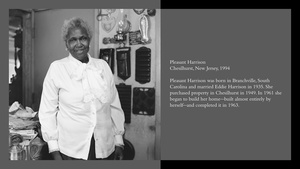
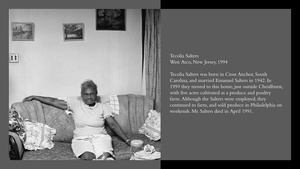
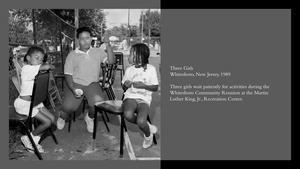
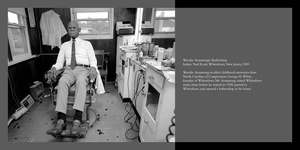
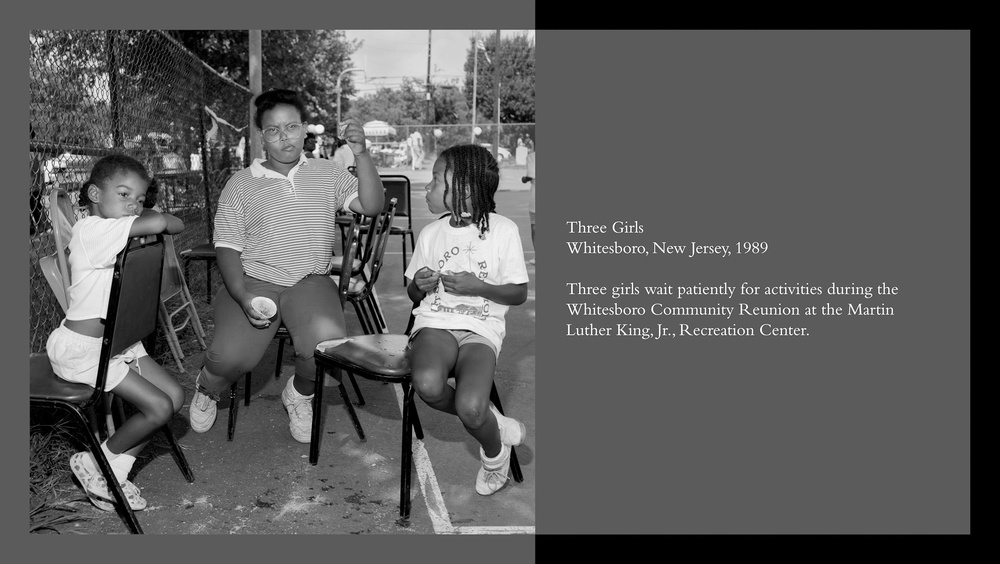
The Small Towns Black Lives project consists of photographs with the use of narrative fragments and various archival materials. The images are presented as windows onto public and private lives – combined with text, they weave a visual representation of the present accompanied by the collective memories of the communities. Small Towns Black Lives is also a multimedia web based presentation that includes photography, text, archival documents, video, audio, and QuickTime VR. The photography began as a modest attempt to depict daily events and activities. Shortly after beginning the project, I became aware of a cemetery not far from the college where I teach. Four of the five remaining headstones were marked as veterans of the Civil War and the United States Colored Troops. Information about the origins of the cemetery was difficult to find since there was no longer a black community at the site. My encounter with this neglected cemetery led to more formal research and genealogy as I attempted to reconstruct the story of the African American settlement that was once located at the far edge of Port Republic. The information I accumulated on Port Republic’s black community prompted experiments with various formats for my work; the current prints often incorporate narrative passages with the photograph to describe aspects of the subject that could not otherwise be represented. Defining the format that would express the two forms of visual representation (seeing people and places with a camera and seeing people and places through documents and oral histories) has been an evolving process. My first exhibitions were presentations of the camera image and text side by side as in a diptych, printed onto separate pieces of photographic paper. As I began to use digital media, I found ways to bring the photograph and narrative panels into a single image. The current exhibition includes digital inkjet prints on which the image and the text are placed within opposing areas of dark grey and black and printed onto a single piece of paper. The photograph and text are joined in a manner that is quite different than the traditional diptych; the print hinges together the seen and unseen worlds of black experience within these few communities.
No categories selected
Photos (20)