Faraway Nearby
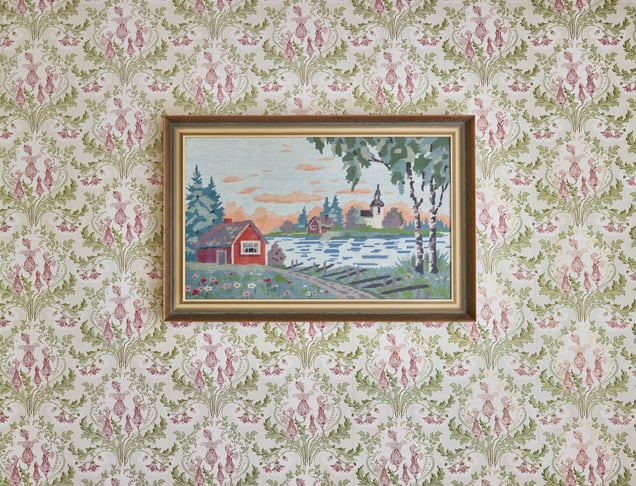
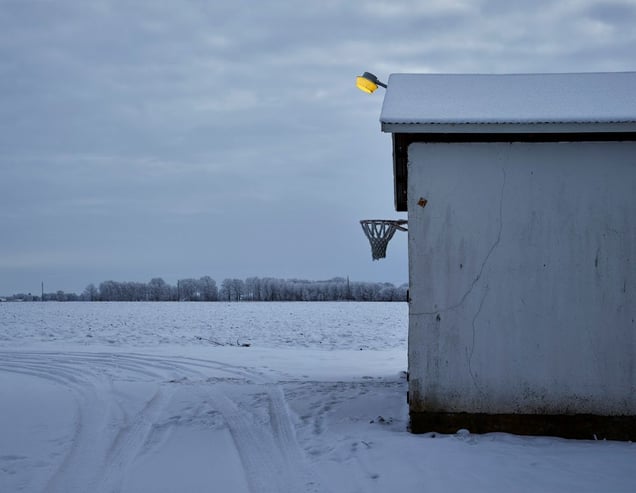
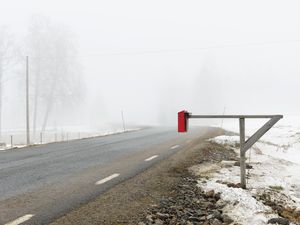
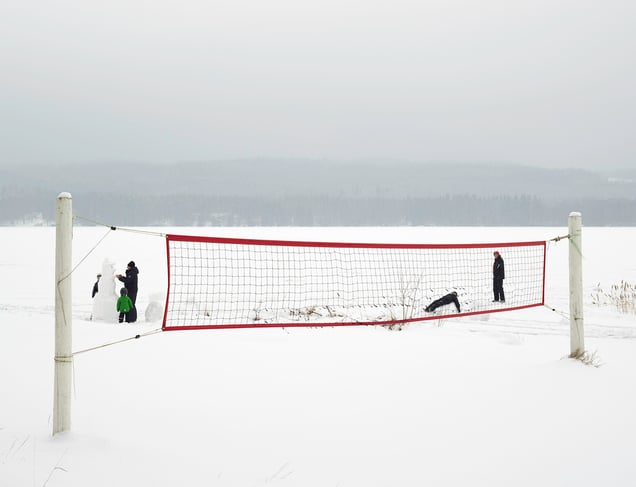
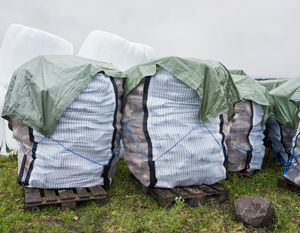
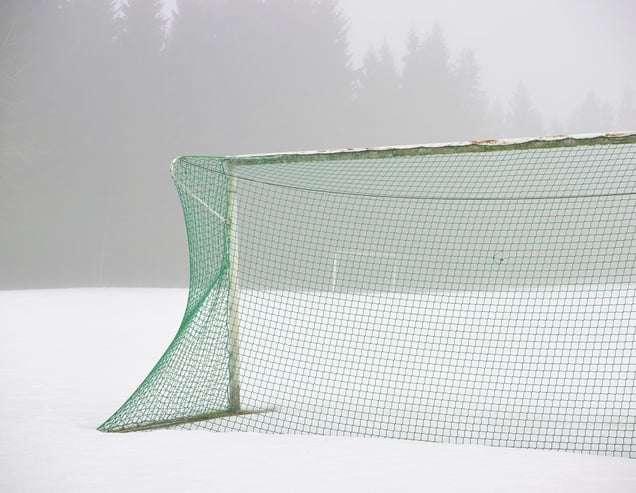
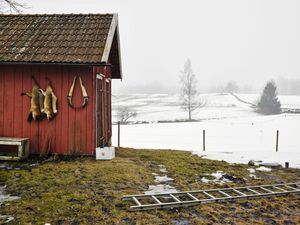
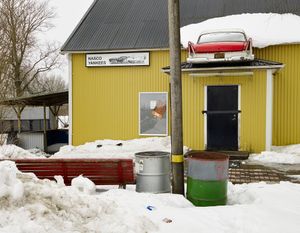
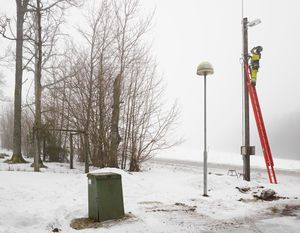
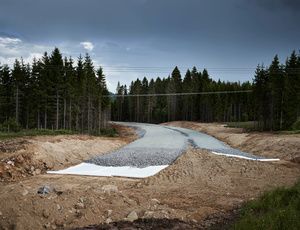
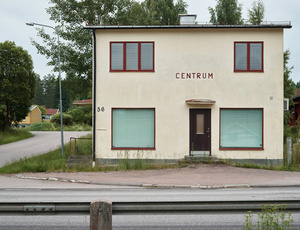
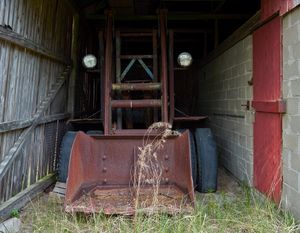
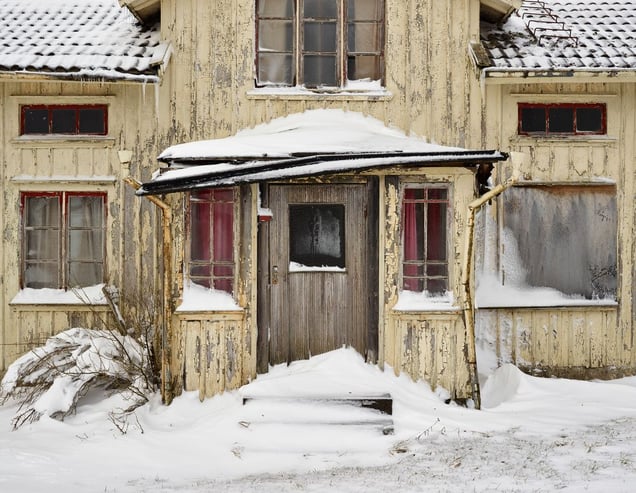
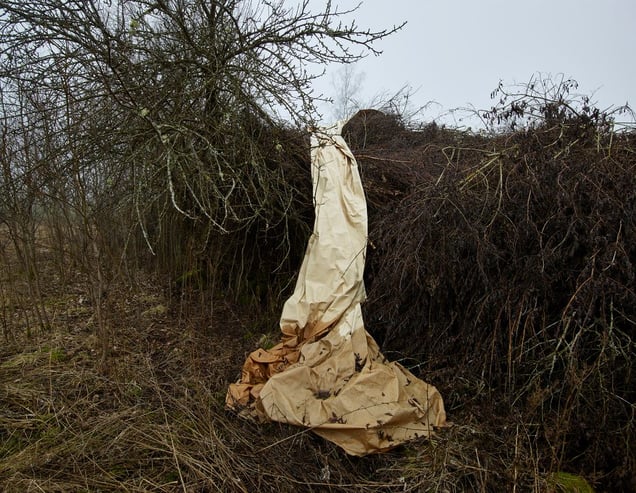
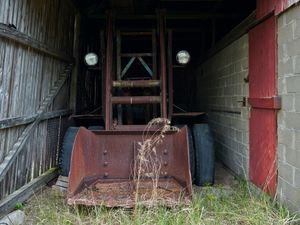
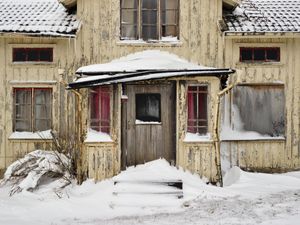
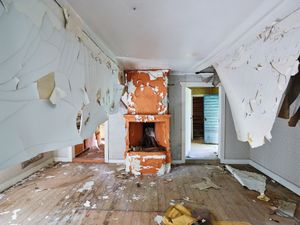
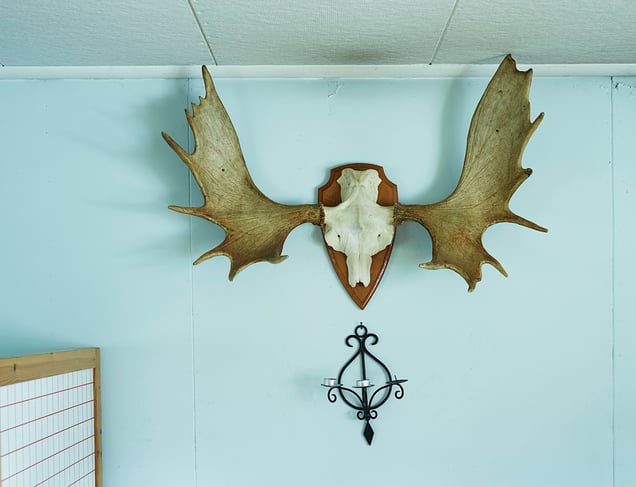
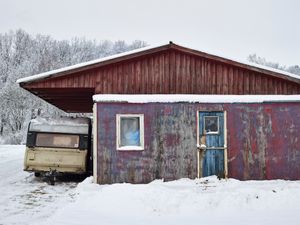
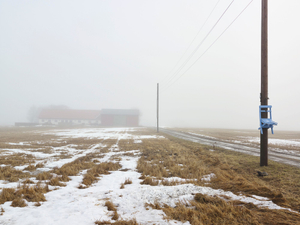
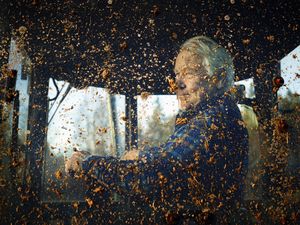
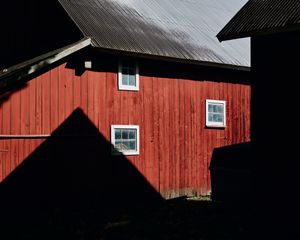
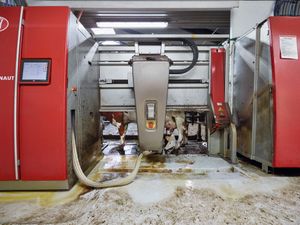
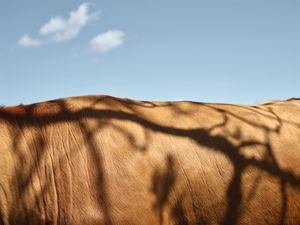
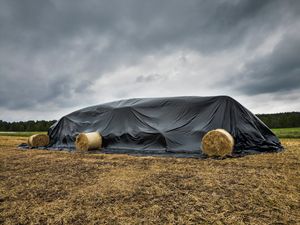
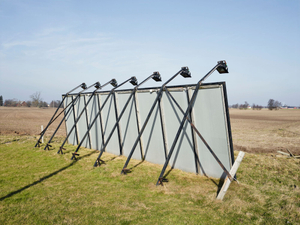
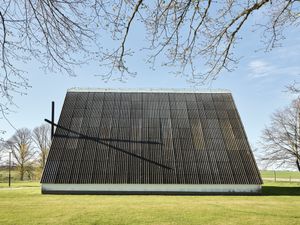
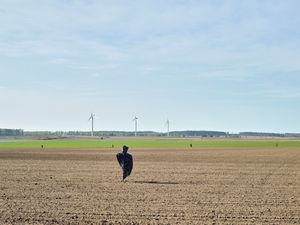
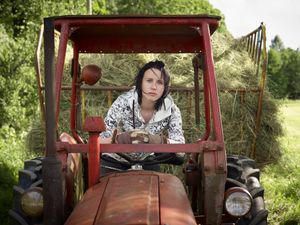
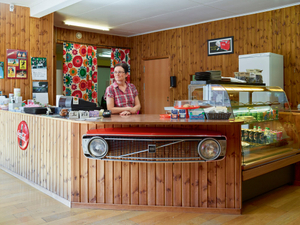
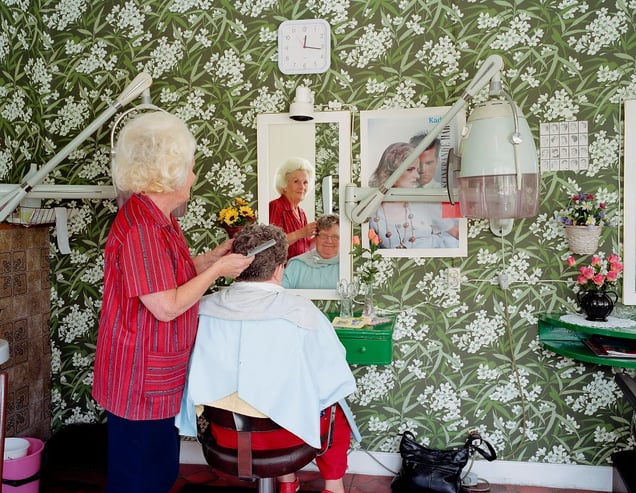
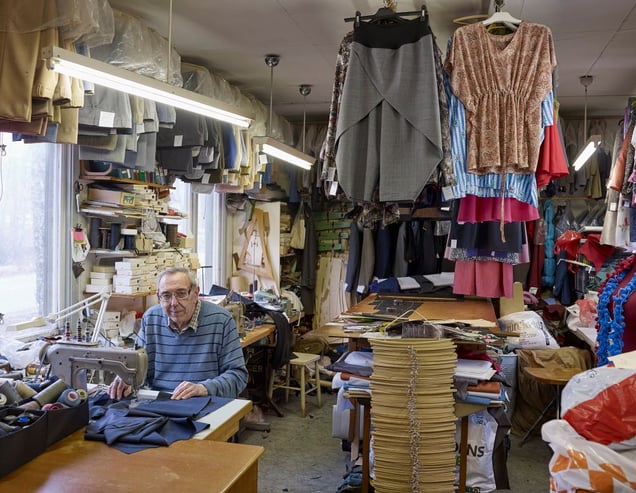
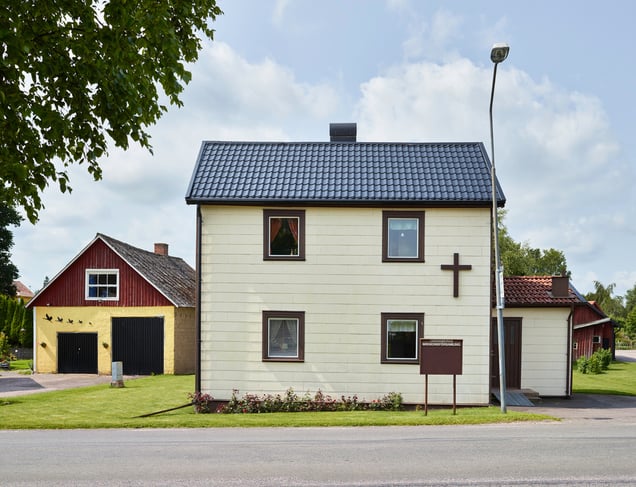
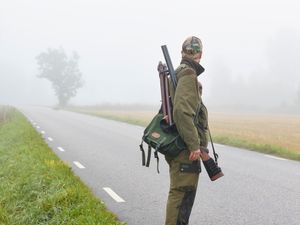
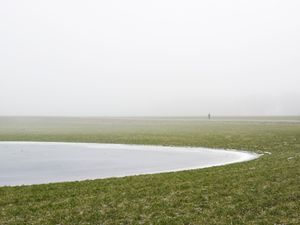
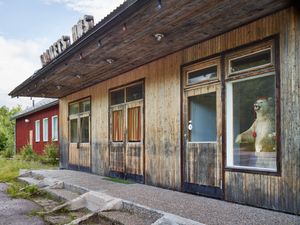
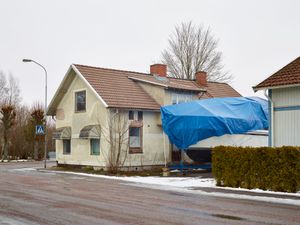
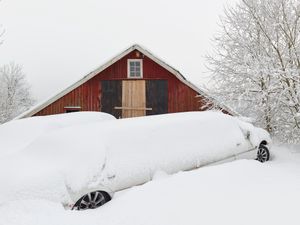
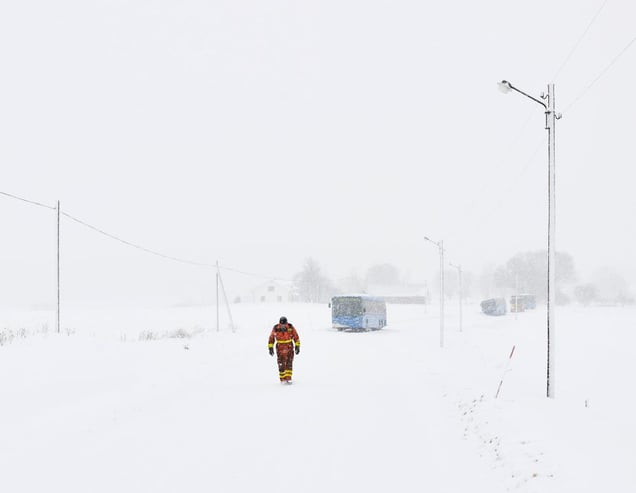
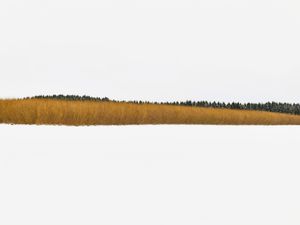
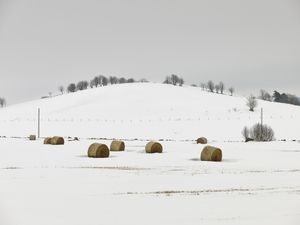
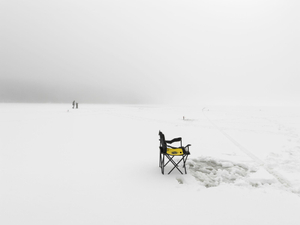
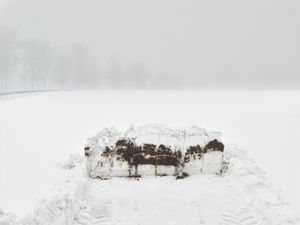
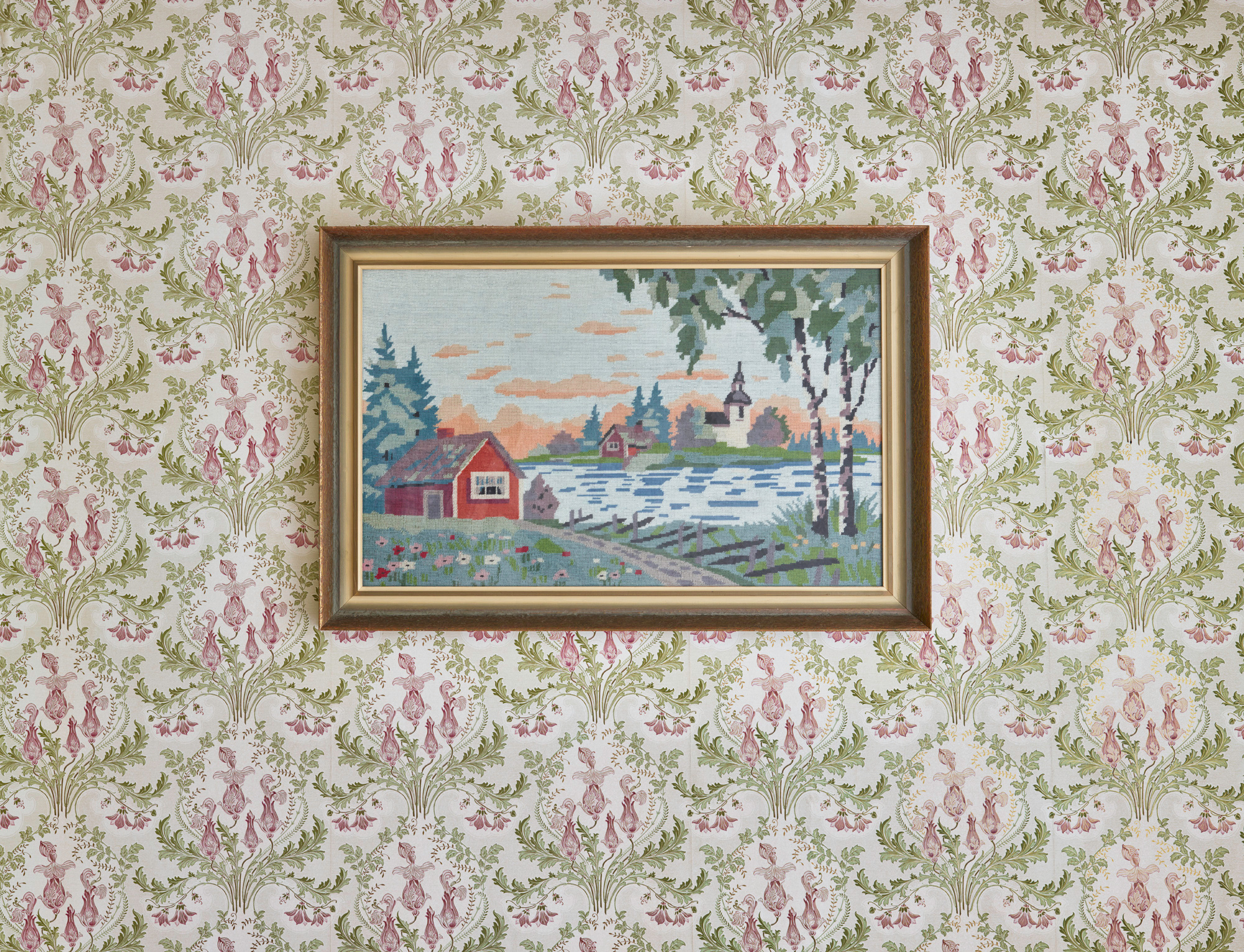
Faraway Nearby can be described as a photographic odyssey in the attempt to rediscover the landscape that has always been a part of me, and which I have felt both close and distant to. In my photography, the landscape is of central importance, but I do not seek the sublime and unaffected. On the contrary. What interests me is how humans interact with the landscape and manifests its existence in a contemporary context, such as; architecture, traditions, different events, the ugly, the beautiful, the enigmatic and absurd – something that characterizes not only the countryside but the whole world and especially the times we live in. During the past 200 years, people have left the countryside and moved to cities and communities.The pattern is global. The UN estimates that the urban population will grow to 2.4 billion by 2050. The once nearby has become faraway. Today, 85 percent of Sweden’s population lives in urban areas. If you decide to return, which I did in the early 1990s, you will not come home again. You will come back – to a changed landscape, with new sounds and smells, derelict houses, occasional newly built villas, leased farms, horses in the pastures, young newcomers, a lonely aged dairy farmer, clear-cuts, knee-high grass and white plastic bales in the fields. The new emerges into the light against a shaded background of the past. The old stone walls, for example, are a testimony of a landscape change that once made it possible for more people to survive. Today, they are obstacles. Changes display perspectives, but also open new opportunities. Without these, existence will stagnate and grow further and further into oblivion.
No categories selected
Photos (51)