Silent Landscape
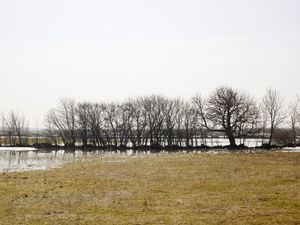
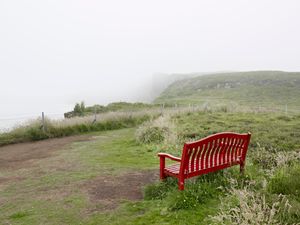
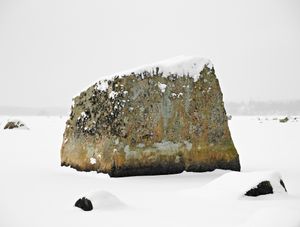
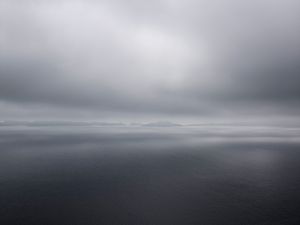
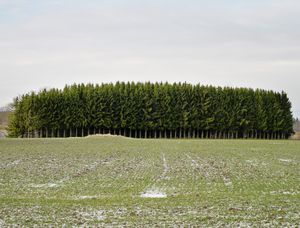
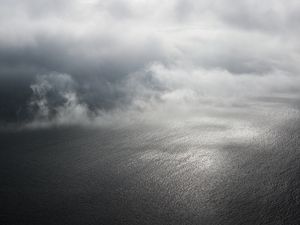
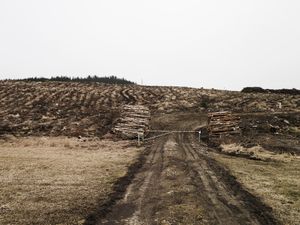
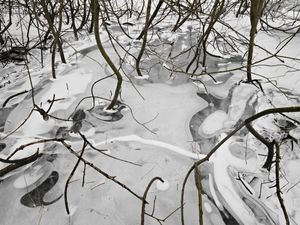
The landscape opens out. And closes up. In space and time. It surrounds us in the present, withers in our forgetfulness or is sifted out from the past. The landscape is never static. It is constantly changing through geological, biological and climatological processes, as well as being transformed by man. The myth of the unspoiled landscape lives on, despite only a small portion of the earth’s surface being unaffected by our species. In many cases the term “landscape” is equated with beautiful surroundings in the form of forests, lakes and mountains, despite the whole of our external physical environment being classifiable as landscape, no matter whether we are in a city, in the countryside or in an office. These external environments are confronted by the inner ones, our mental landscapes. It is tempting to look on the landscape as something apart from daily living, something at a distance – scenery, a vista – and not as something we inhabit, have at close quarters or are integrated with. But a landscape is not defined solely by geographic boundaries or the extent of a field of vision. The landscape is always bound up with time, and can never really be considered timeless. Someone has been here before us. Someone will follow in our tracks. Our future will be somebody’s present, a present dependent on how we shape our own present. Experience of a landscape is intensely personal. It is shaped and populated by our imagination, our dreams and memories. These inner regions can be said to mirror the external ones, and vice versa. Presumably, our need for recuperation and recreation has never been greater than it is today. Living in, or making one’s way to, a landscape in which the soft-spoken voices of wind, water and nature are the only sounds, is a matter of necessity to many people. But at the same time as modern man seeks peace and quiet in an increasingly raucous world, his living habits are helping to silence many landscapes for good.
No categories selected
Photos (36)